Portuguese
  Spanish




Less Is More: Energy Efficiency Is An Alternative To Reduce Energy Consumption. Expert Tips Can Help In This Task
The new water emergency flag and an extra fee of R$ 14.20 per 100 kWh, due to the most severe water crisis in the last 90 years, are accelerating changes in the routine of the entire population. With the expectation that electricity bills will continue to rise, it is essential to think about energy efficiency – a sustainable practice that consists of doing the same thing (or more) with fewer natural resources while maintaining productivity and quality.
Read Also
- SBT, One Of The Main Broadcasters In Brazil, Calls Candidates With And Without Experience For Job Openings, Internships, And Apprenticeships In The States Of SP And RJ
- Ambev Calls Candidates Without Experience From All Areas To Intern At Its Factory In São Paulo; Interested Individuals Over 50 Can Apply For The Positions
- Boticário Offers 400 Slots In Free And Online Professional Qualification Courses With Certificates; Candidates From All Over Brazil Can Participate
- Senai Offers 90,000 Slots In Free And Online Professional Qualification Courses With Certificates In The Areas Of Oil And Gas, Logistics, Civil Construction, And More; Registration Until October 19.
Do you know the story of cost-benefit? This is the criterion associated with energy efficiency since, in the medium and long term, the initial investments yield economic gains for the average consumer, entrepreneurs, and industries, with the cleanest energy source available.
It Is Possible To Reduce Energy Consumption And The Electricity Bill Through Simple Habits
In broad terms, through the rational use of energy, it is possible to reduce expenses through simple habits, such as keeping the lights on only when one or more people are using the space, replacing older bulbs with more efficient models, avoiding leaving refrigerator and freezer doors open, and rationalizing the use of the shower… In the industry, which incurs high operational costs with energy bills, reaching 15% or more, energy efficiency can be applied to outdated equipment, obsolete automation systems, and old, inefficient motors, which are examples of money wasted.
-
Brazil Aims to Become a Global Exporter of Green Hydrogen, the Clean Fuel Set to Generate Billions

-
Brazil to Hold First Offshore Wind Energy Auction, Aiming to Become the Country’s New Hydropower
-
Brazil to Hold First Auction for Batteries to Store Solar and Wind Energy from the Northeast
-
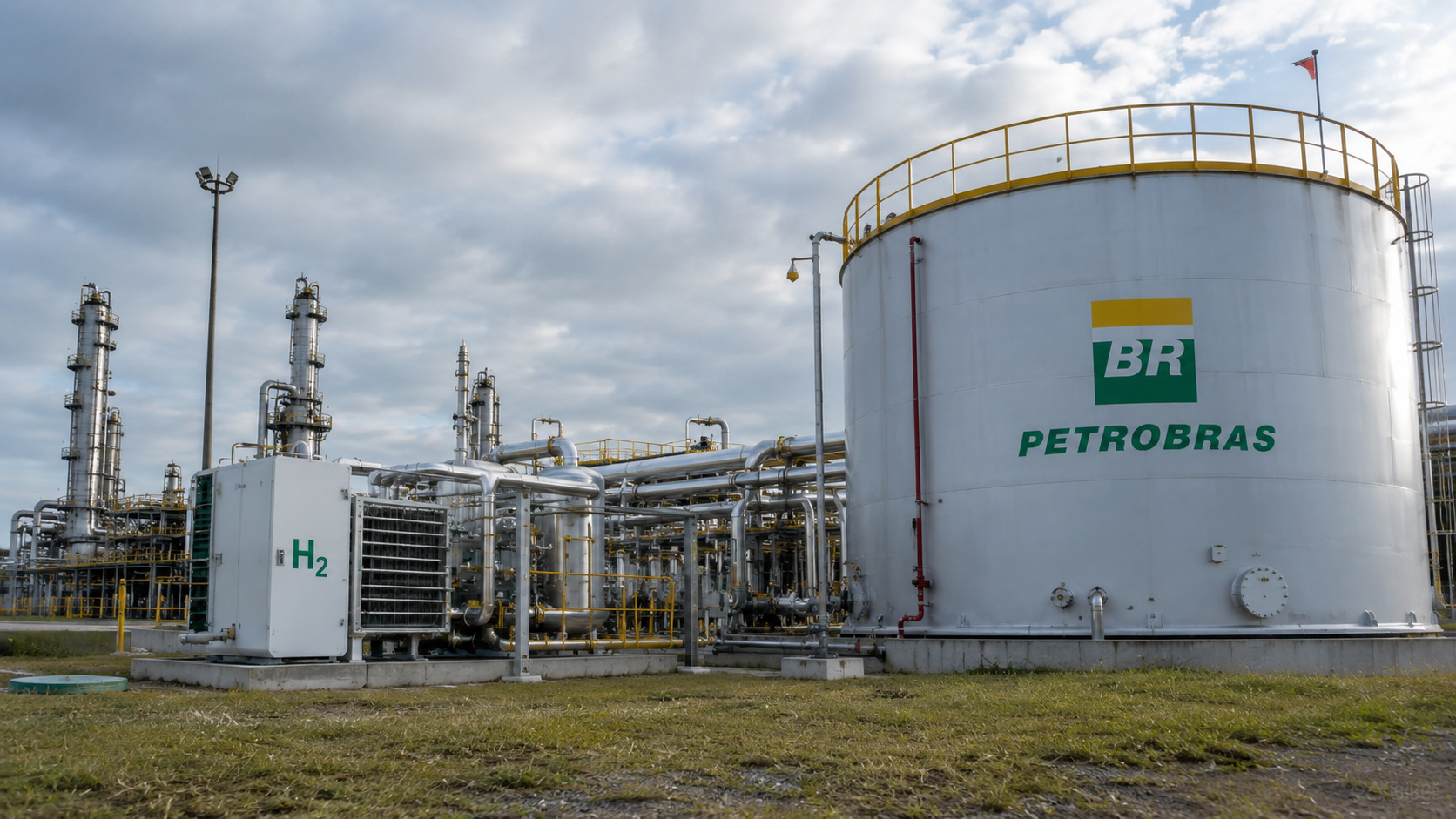
Brazilian scientists are simultaneously advancing two research projects on clean hydrogen and driving solutions that could transform the energy matrix, enhance industrial competitiveness, and accelerate large-scale emission reduction targets.




According to the electrical engineer from Reymaster, Gustavo Amaral, for individual or corporate consumers, another tip for energy efficiency is to plan the lighting through lighting projects, which calculate the cost of the kilowatt-hour paid and the monthly and daily usage of the system. “The result is savings linked to a return on investment generally in the short term,” says the specialist, recommending consumers take a different look at light bulbs. “Some bulbs require 2 to 15 minutes between startup and full stabilization of luminous flux, demanding high energy consumption, with lighting efficiency much lower compared to LED bulbs, which generate savings of between 50% and 70% and have a longer lifespan.”
LED Lighting Projects Have An Initial Cost That, At First Glance, Seems High, But The Financial Return Is Substantial
It is clear that an LED lighting project has an initial cost that, at first glance, seems high; however, as explained by the Reymaster engineer, the financial return is significant – and quick. “After the investment, the reward occurs within 12 to 18 months. Given the equipment’s lifespan, coupled with energy efficiency and lighting quality, this return is quite rapid,” reinforces the consultant.
Another option is luminaires and floodlights with photovoltaic panels, which work from an installed solar panel responsible for converting solar energy into electricity. In this case, in addition to energy savings, the consumer benefits from easy and quick installation in gardens, patios, garages, and pool edges, as they have the advantage of not needing to break walls or floors, since they do not need to be connected to electricity. Additionally, due to the automatic triggering system, the bulbs turn on by themselves at dusk, operate independently, and do not emit any harmful gases to the environment, contributing to reducing the use of non-renewable energy sources.
Finally, he emphasizes that encouraging the adoption of energy efficiency not only reduces electricity costs but also environmentally benefits the planet, with advantages that go beyond economic concerns.