Portuguese
  Spanish


Brazil is preparing to hold its first auction of areas for offshore wind energy generation, known as offshore wind, a bet that World Bank studies describe as capable of becoming the country’s new major firm energy source, comparable to hydroelectric power. The Brazilian coast, especially in the Northeast and the South, has strong and constant winds ideal for turbines installed in the ocean.
The promise is enormous, but there is an obstacle in the way: regulation is delayed. The decree that should unlock billion-dollar investments has not yet been issued, and the Senate discussed the bottleneck in June, a sign that the sector is urging for speed to not miss the boat on a technology that is advancing rapidly worldwide.
What is offshore wind
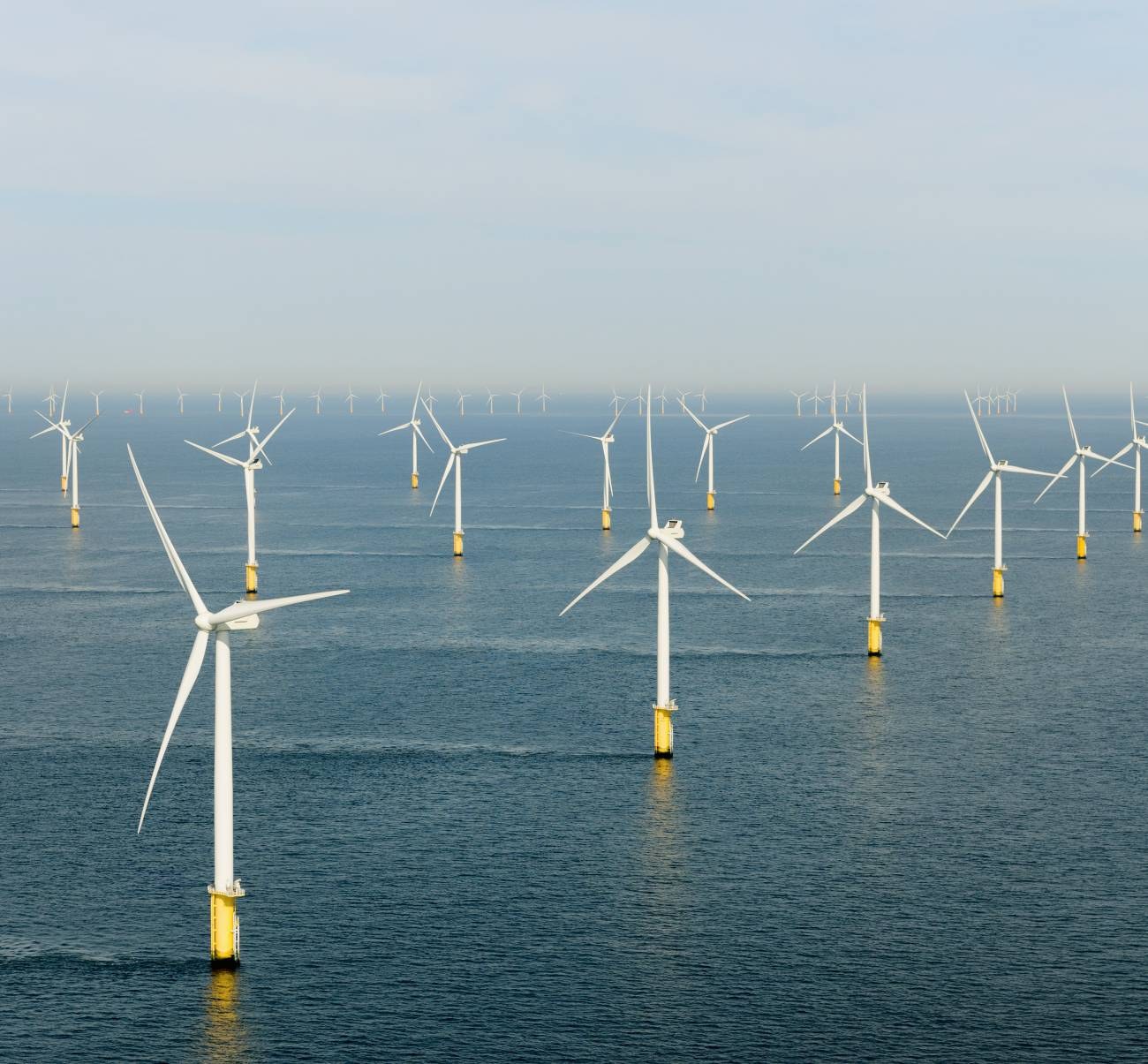
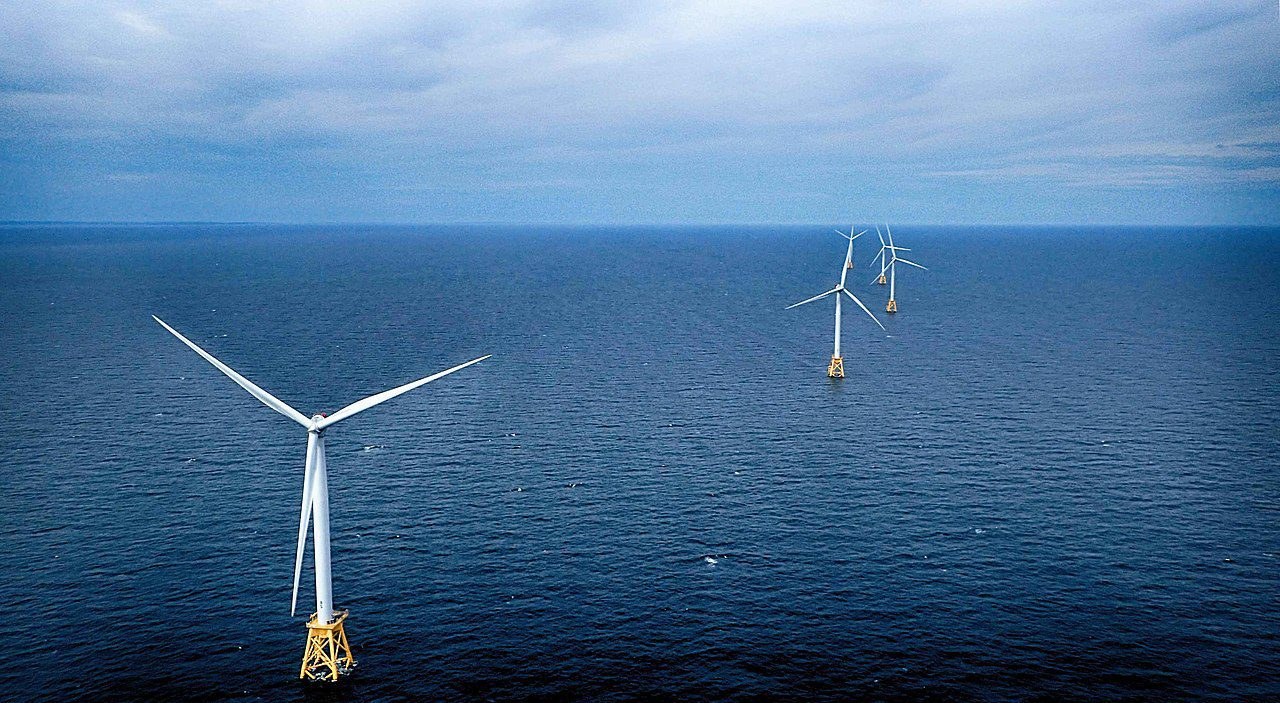
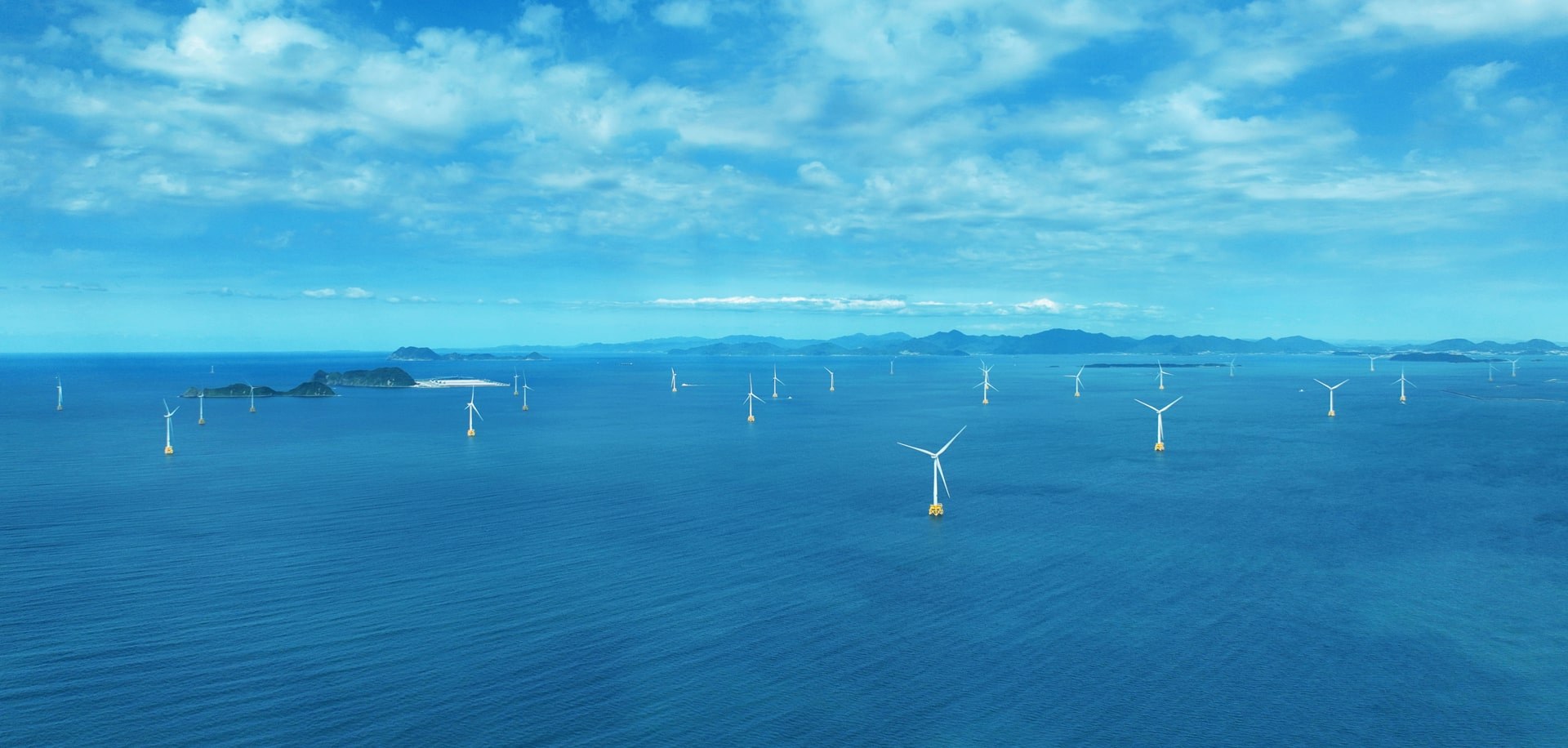
Offshore wind is the generation of electric energy by turbines installed in the sea, instead of on land. In the ocean, winds tend to be stronger, more constant, and less subject to obstacles, which makes each turbine yield much more than an equivalent one on land. The trade-off is the cost: installing and operating turbines at sea is much more expensive and complex.
-
Brazil to Hold First Auction for Batteries to Store Solar and Wind Energy from the Northeast

-
Brazilian scientists are simultaneously advancing two research projects on clean hydrogen and driving solutions that could transform the energy matrix, enhance industrial competitiveness, and accelerate large-scale emission reduction targets.

-
Advancement in renewable energy: A R$ 150 million project launched by Petrobras and Finep aims to create state-of-the-art electrolyzers for green hydrogen, strengthening national research and preparing Brazil to compete in a billion-dollar energy market.
-
Illiterate or semi-literate grandmothers were trained to repair solar systems, open rural workshops, and light up homes that still depended on kerosene.
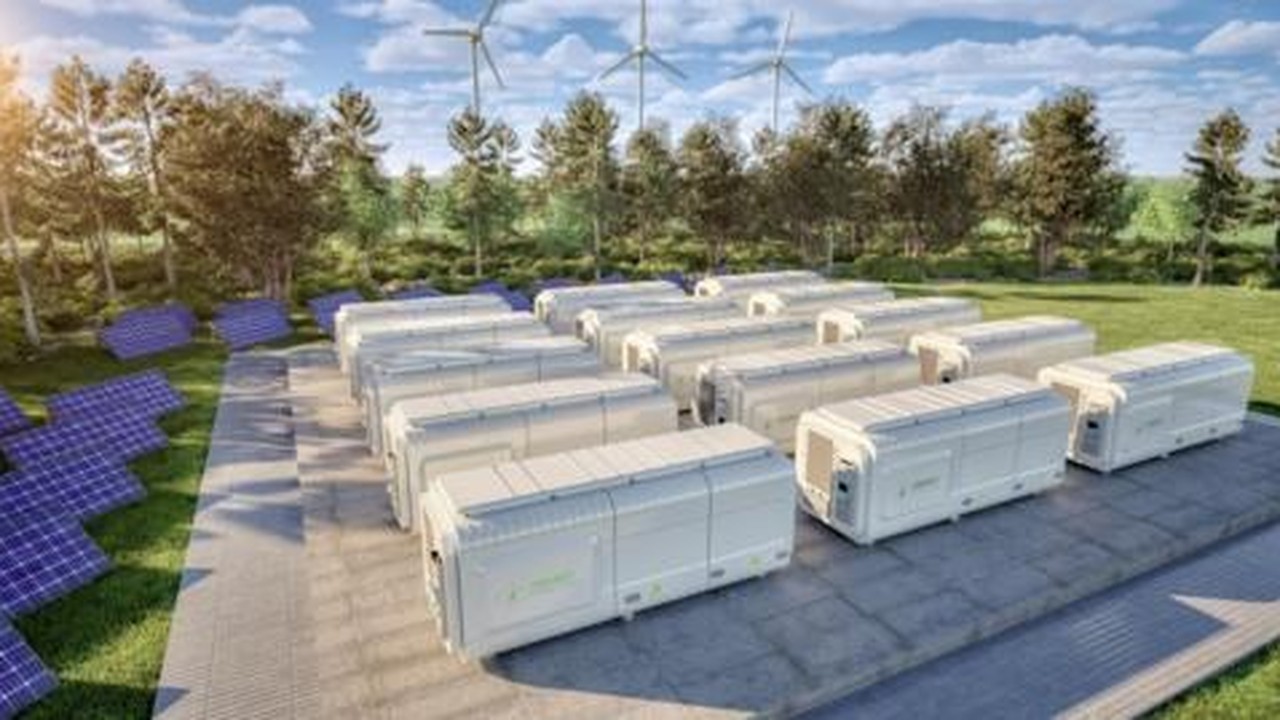



The potential of the Brazilian coast draws attention from all over the world. Studies indicate that the country could, in theory, generate several times its current electricity demand just with the wind from the sea, especially on the Northeast coast, where the wind regime is one of the best on the planet. It is this potential that makes the World Bank compare the source to the hydroelectric plants that supported Brazilian development.
Why it hasn’t taken off yet
The main obstacle is regulatory. To auction areas at sea, the country needs clear rules on how to grant these spaces, license the projects, and connect the energy to the grid on land. The decree that would organize all this was expected for the first half of 2026, but it was delayed, and each month of delay postpones investments that amount to tens of billions of reais.
The timing is delicate.
While Brazil discusses the rules, countries in Europe and Asia already operate large offshore wind farms and dominate the technology. The risk is that the country arrives late to an industry that generates jobs, attracts factories, and stimulates the naval chain, precisely the sectors that most need a boost. Therefore, the sector is pushing for a quick decision.
The connection with green hydrogen
There is an extra reason for the enthusiasm: offshore wind is seen as the basis for the production of green hydrogen, the clean fuel that Brazil wants to export. The abundant and cheap energy generated at sea could power plants that produce hydrogen from water, creating a new export industry and putting the country on the map of the global energy transition.
This combination enhances the strategic value of the source. It’s not just about generating electricity, but about building an entire industrial chain, from turbine manufacturing to ports that would support the assembly and operation of offshore parks. It’s a development opportunity that goes far beyond the electricity bill.
The next steps
The sector expects the decree to be issued and the first auction of areas to take place in the coming years, paving the way for energy generation to begin in the next decade, given the time needed to build the parks. It is a long-term investment, the type that requires planning and rule stability.
If regulation is unlocked, offshore wind can reinforce one of the world’s cleanest energy matrices, already dominated by hydroelectric, solar, and onshore wind. According to CNN Brazil and World Bank studies, the wind from the sea has the potential to become a central piece of Brazilian energy in the coming decades, provided the country can move from discussion to practice.