Portuguese
  Spanish


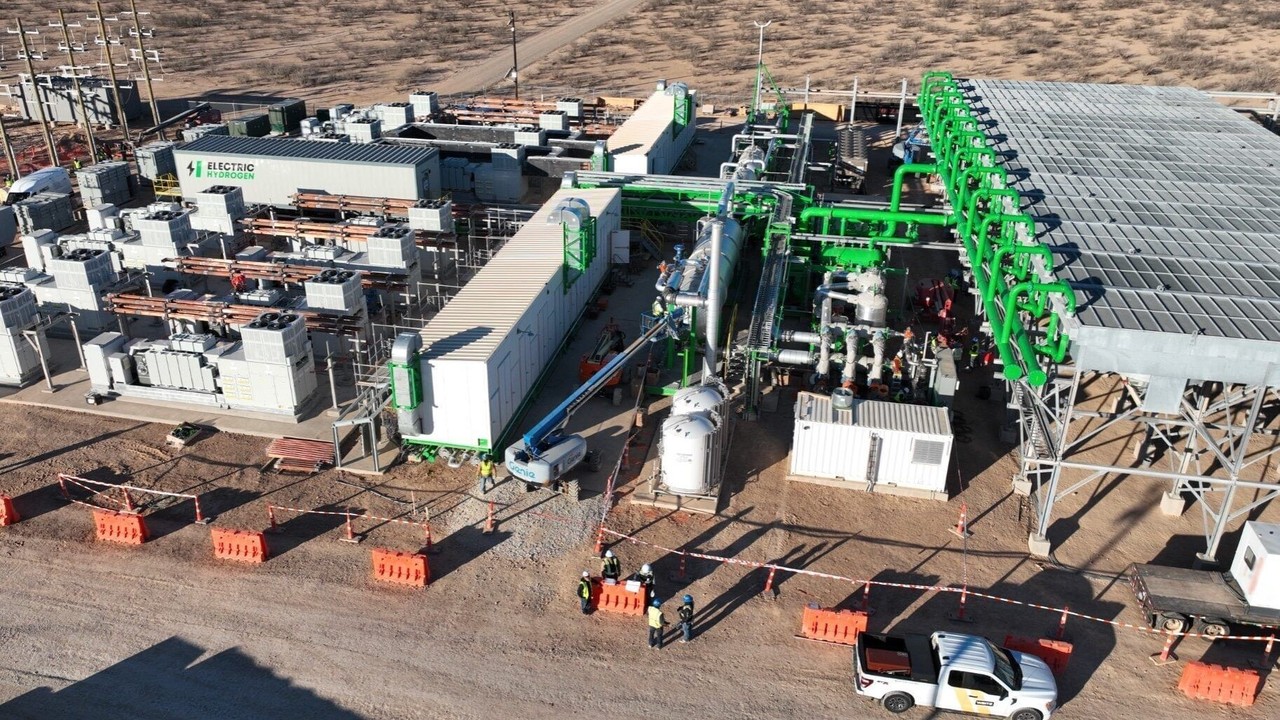

Brazil today gathers dozens of green hydrogen projects and aims for an ambitious goal: to become a major global exporter of this clean fuel, produced from renewable energy and water, without emitting carbon. One of the projects foresees a capacity of up to 2.4 gigawatts of electrolysis to generate more than a thousand tons of hydrogen per day, largely aimed at the foreign market.
The focus is not on generating energy for domestic consumption, but rather on creating a new source of revenue. Just as the country exports soybeans, minerals, and oil, the idea is to ship hydrogen and its derivatives to Europe and Asia, which are seeking clean fuels to decarbonize industry and transportation and are willing to pay for it.
What is green hydrogen
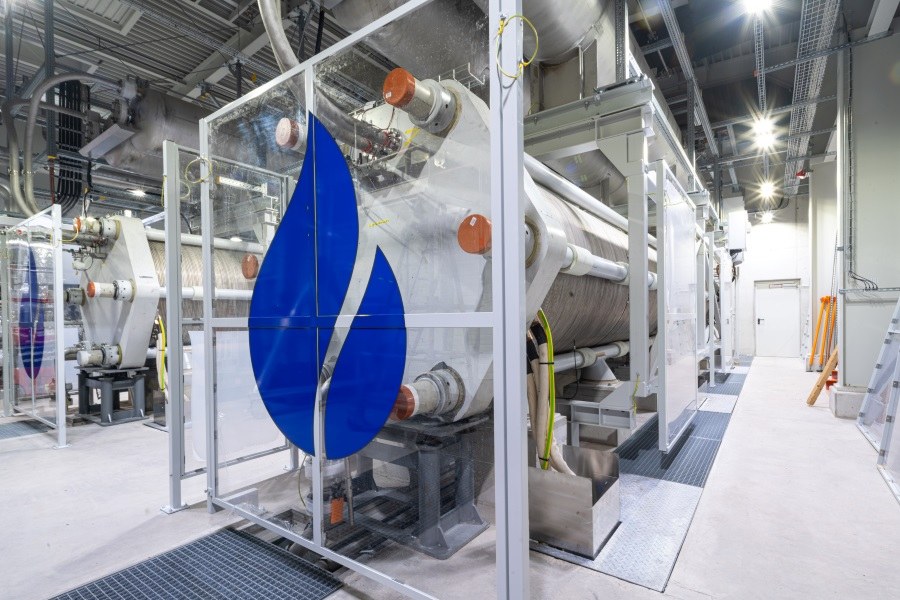
Hydrogen is the simplest and most abundant element in the universe, and it burns without releasing carbon, emitting only water. The problem is that it does not exist in pure form in nature: it needs to be separated, and the traditional method uses natural gas, which emits pollutants. Hydrogen is called green when this separation is done with renewable energy, in a process called electrolysis, which splits water using clean electricity.
-
Brazil to Hold First Offshore Wind Energy Auction, Aiming to Become the Country’s New Hydropower

-
Brazil to Hold First Auction for Batteries to Store Solar and Wind Energy from the Northeast
-
Brazilian scientists are simultaneously advancing two research projects on clean hydrogen and driving solutions that could transform the energy matrix, enhance industrial competitiveness, and accelerate large-scale emission reduction targets.

-
Advancement in renewable energy: A R$ 150 million project launched by Petrobras and Finep aims to create state-of-the-art electrolyzers for green hydrogen, strengthening national research and preparing Brazil to compete in a billion-dollar energy market.

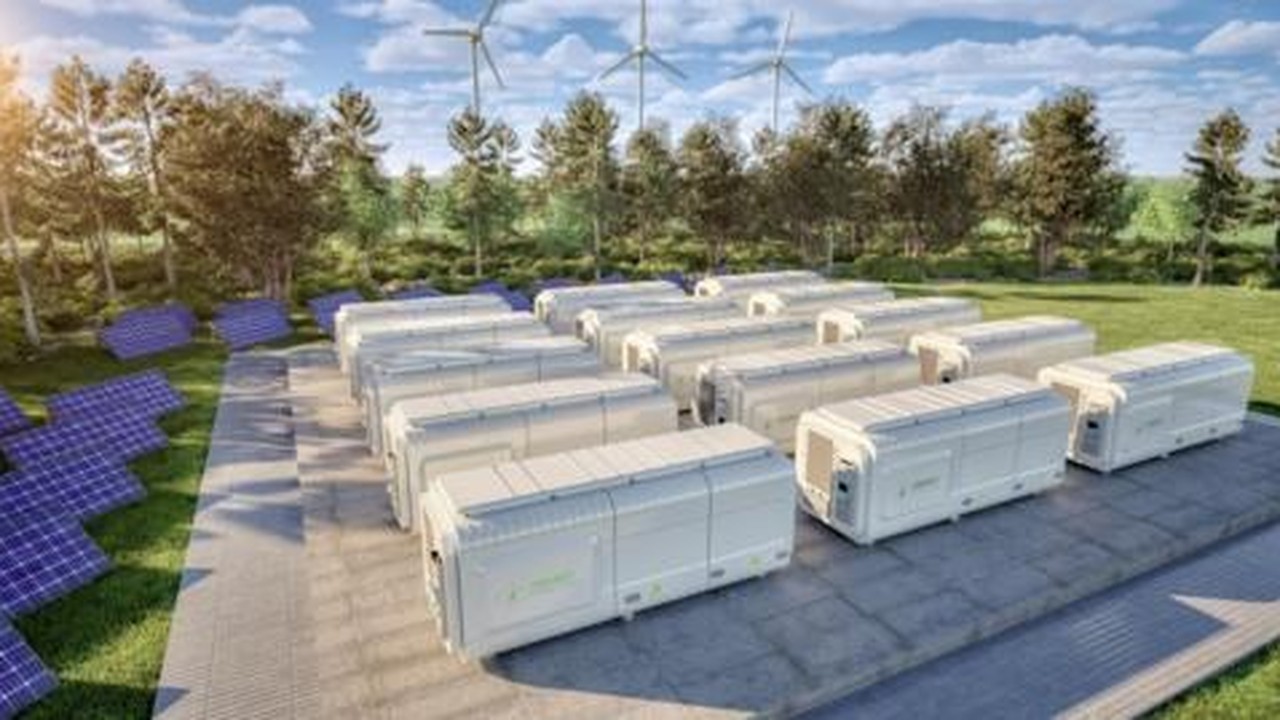


This is where Brazil has an advantage. The country has cheap and abundant renewable energy from hydroelectric plants, solar, and wind farms, the most expensive input in the production of green hydrogen. With plenty of sun and wind, especially in the Northeast, Brazil can produce the fuel at a competitive cost with any competitor in the world.
The race of the ports
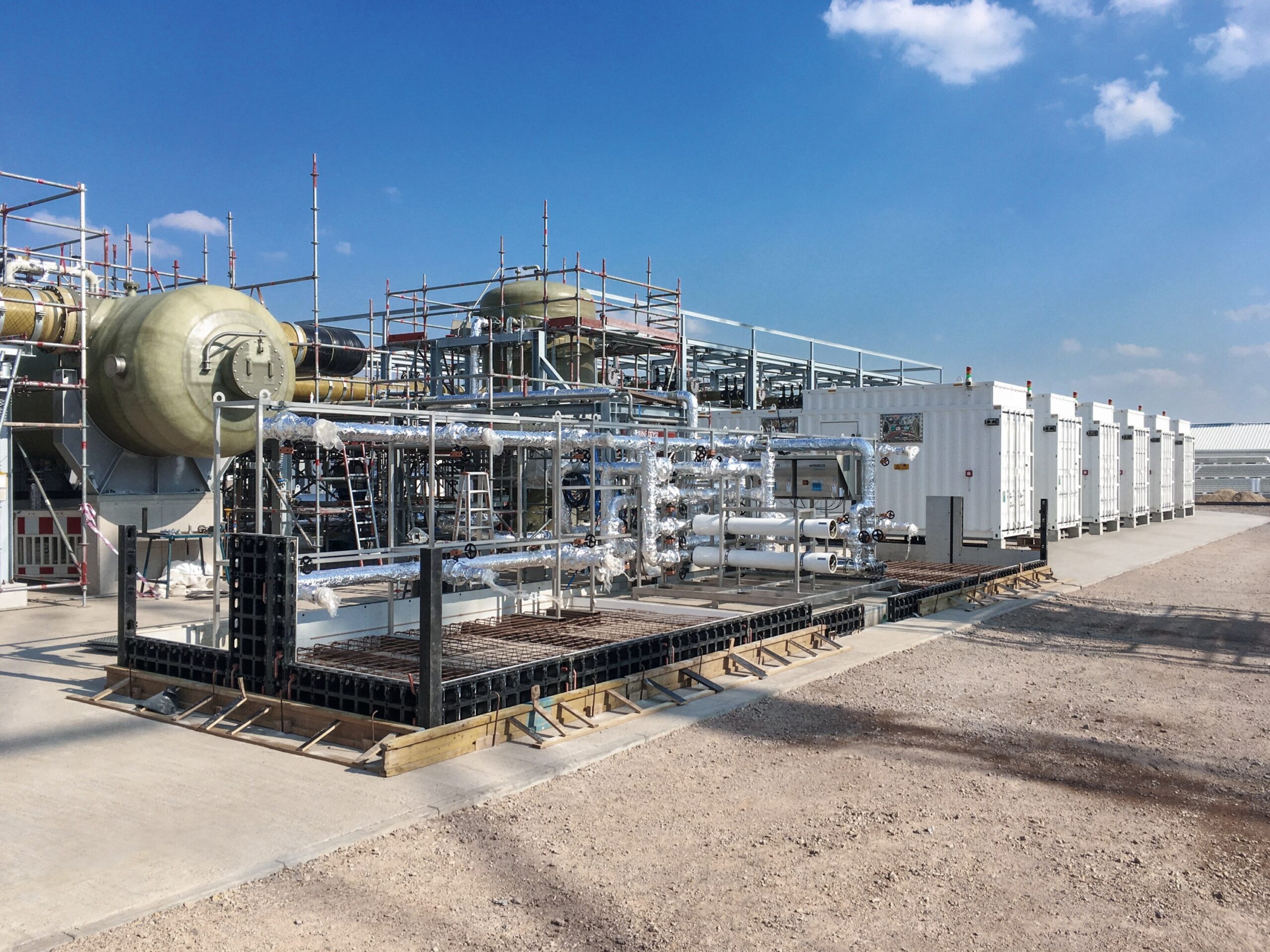
The race to host this new industry has already begun. Port complexes like Pecém in Ceará, Açu in Rio de Janeiro, and Suape in Pernambuco are rushing to become green hydrogen hubs, with industrial areas, nearby renewable energy, and export infrastructure. Those who get ahead can attract billions in investments and thousands of jobs.
The movement attracts international giants. Energy companies from Europe and Asia have signed agreements to install plants in Brazil, aiming to produce here the hydrogen they will consume abroad. For the country, it is a chance to enter early into an industry that could move hundreds of billions of dollars in the coming decades.
The role of green ammonia
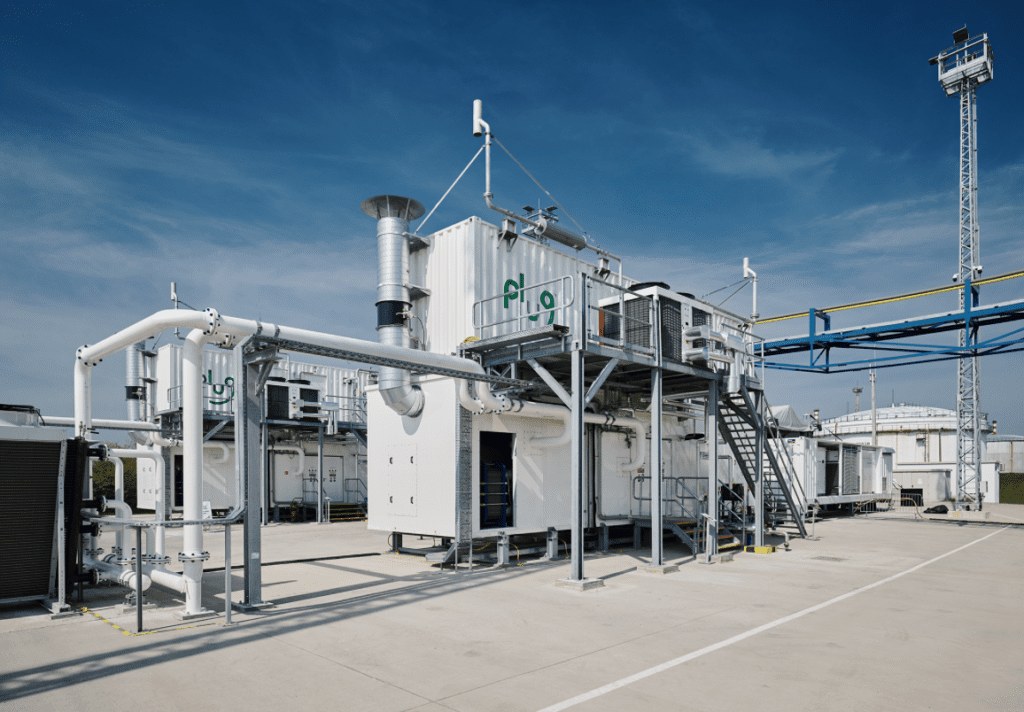
There is a technical detail that changes the export game: transporting pure hydrogen is difficult and expensive because it is light and requires extremely low temperatures or very high pressure. The solution is to convert it into green ammonia, a compound easier to transport by ship, which can be used directly as fuel or fertilizer, or reconverted into hydrogen at the destination.
Transport is half the problem.
Not surprisingly, several Brazilian projects plan to produce millions of tons of green ammonia per year for export. This derivative solves the logistical bottleneck and also meets an existing market, that of fertilizers, of which Brazil is a major importer. Producing green ammonia domestically could, in turn, reduce the agribusiness’s external dependency.
The challenges ahead
Despite the potential, green hydrogen still faces a major obstacle: the cost. Producing it remains more expensive than hydrogen made from natural gas, and its viability depends on technology becoming cheaper, scale increasing, and purchasing countries maintaining their commitment to pay more for clean energy. It is a long-term bet, not a business that pays off overnight.
Brazil also needs clear rules and infrastructure, from ports to transmission lines, to unlock the projects. The competition is global, with countries from the Middle East, Australia, and Africa vying for the same market, and getting ahead requires quick decision-making and firm investment.
If it overcomes these challenges, the country can add a new chapter to its export vocation, this time selling clean energy instead of fossil fuel. According to industry surveys, green hydrogen is one of the greatest opportunities for energy transition for Brazil, capable of combining the abundance of sun and wind with the global demand for carbon-free fuels.