
Brazil will hold its first battery auction to store electric energy, a milestone for the national electric system. Conducted by ANEEL and regulated by the Ministry of Mines and Energy, the auction will contract large battery systems capable of storing energy generated by solar and wind sources, mainly in the Northeast, and releasing it when the sun sets or the wind stops.
It is the answer to a problem created by the very success of renewables. Brazil has installed so much solar and wind energy in recent years that, at certain times, there is a surplus of electricity; at others, there is a shortage. The battery comes in to balance this equation, storing the excess and returning it when demand increases.
Why the country needs batteries
Solar and wind energy have a known flaw: they are intermittent. The solar panel only generates during the day, and the turbine depends on the wind. The problem is that energy consumption does not follow this rhythm and usually peaks precisely in the early evening when the sun is gone but people come home and turn everything on.
-
Brazilian scientists are simultaneously advancing two research projects on clean hydrogen and driving solutions that could transform the energy matrix, enhance industrial competitiveness, and accelerate large-scale emission reduction targets.

-
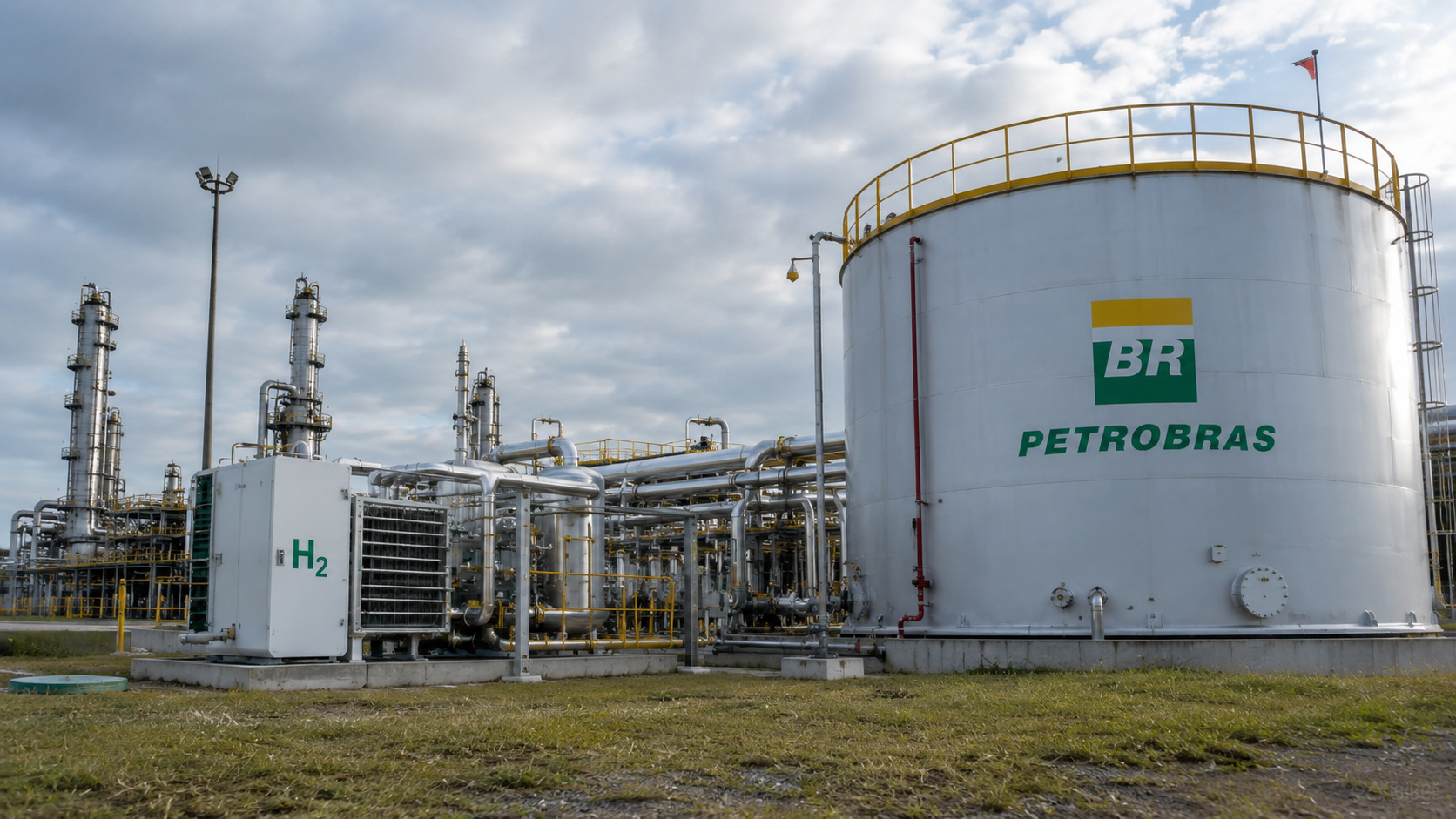
Advancement in renewable energy: A R$ 150 million project launched by Petrobras and Finep aims to create state-of-the-art electrolyzers for green hydrogen, strengthening national research and preparing Brazil to compete in a billion-dollar energy market.
-
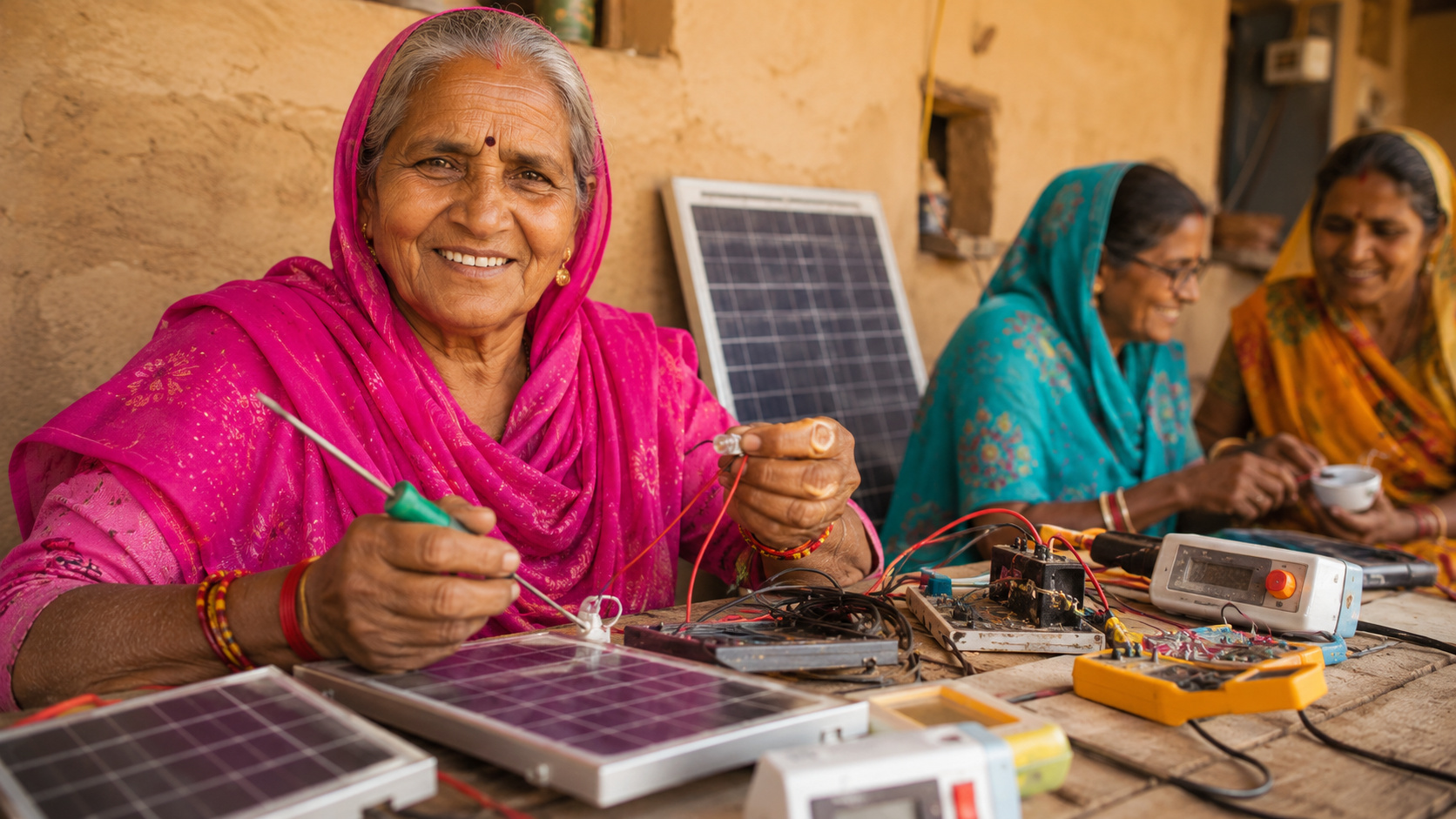
Illiterate or semi-literate grandmothers were trained to repair solar systems, open rural workshops, and light up homes that still depended on kerosene.
-
The world has bet on green hydrogen as the fuel of the future, but now faces the side effect: producing 1 kilogram requires about 9 liters of ultrapure water, and the largest projects on the planet are precisely in the driest regions of the Earth, where water is already scarce for people.


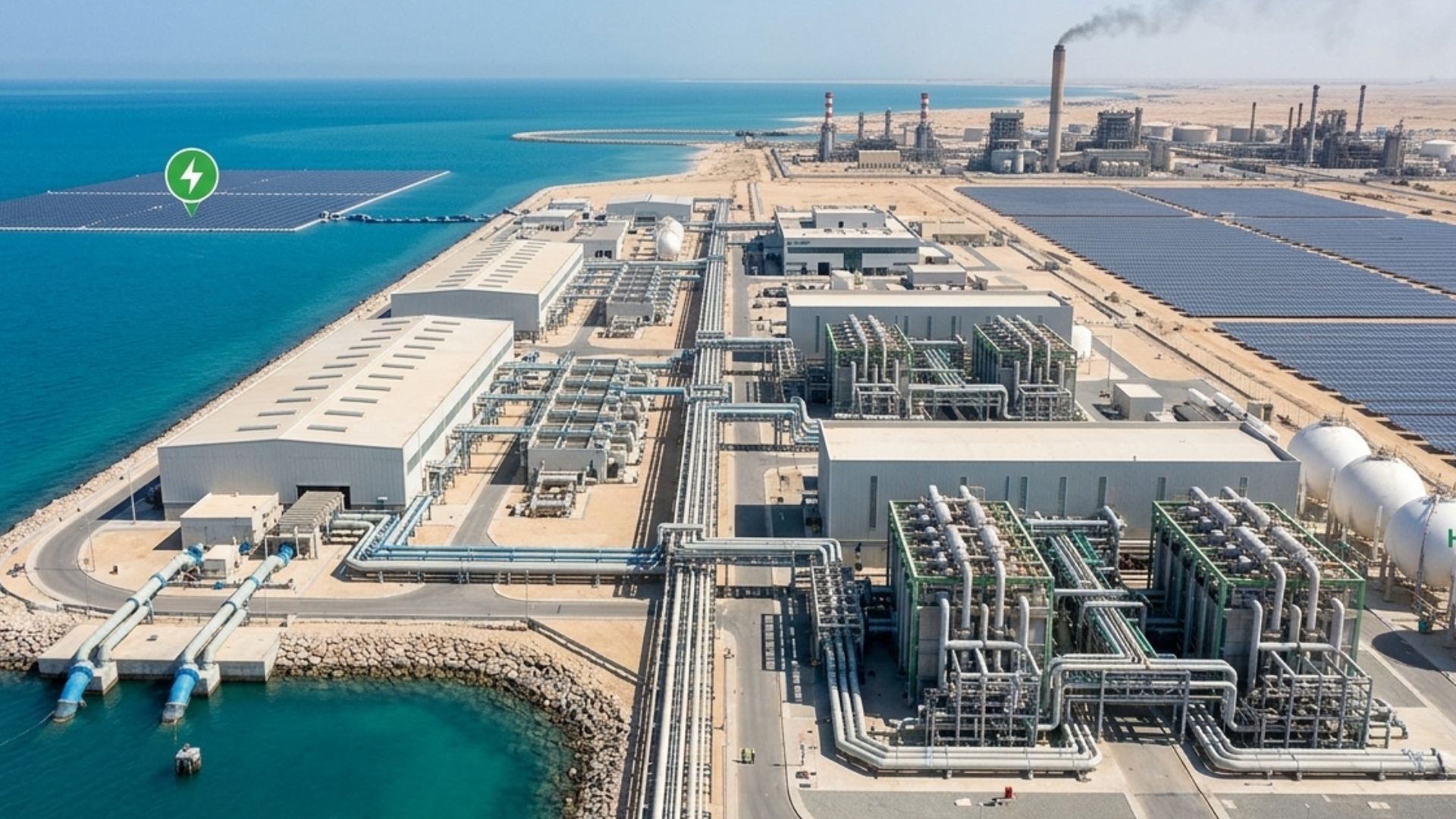
In the Northeast, this contradiction became glaring. The region became a powerhouse in solar and wind generation but ends up wasting part of this energy because it cannot use or transport it at the time it is produced. Batteries allow us to store this clean energy instead of wasting it and use it during peak times.
The solution already exists and is becoming cheaper.
How the auction works
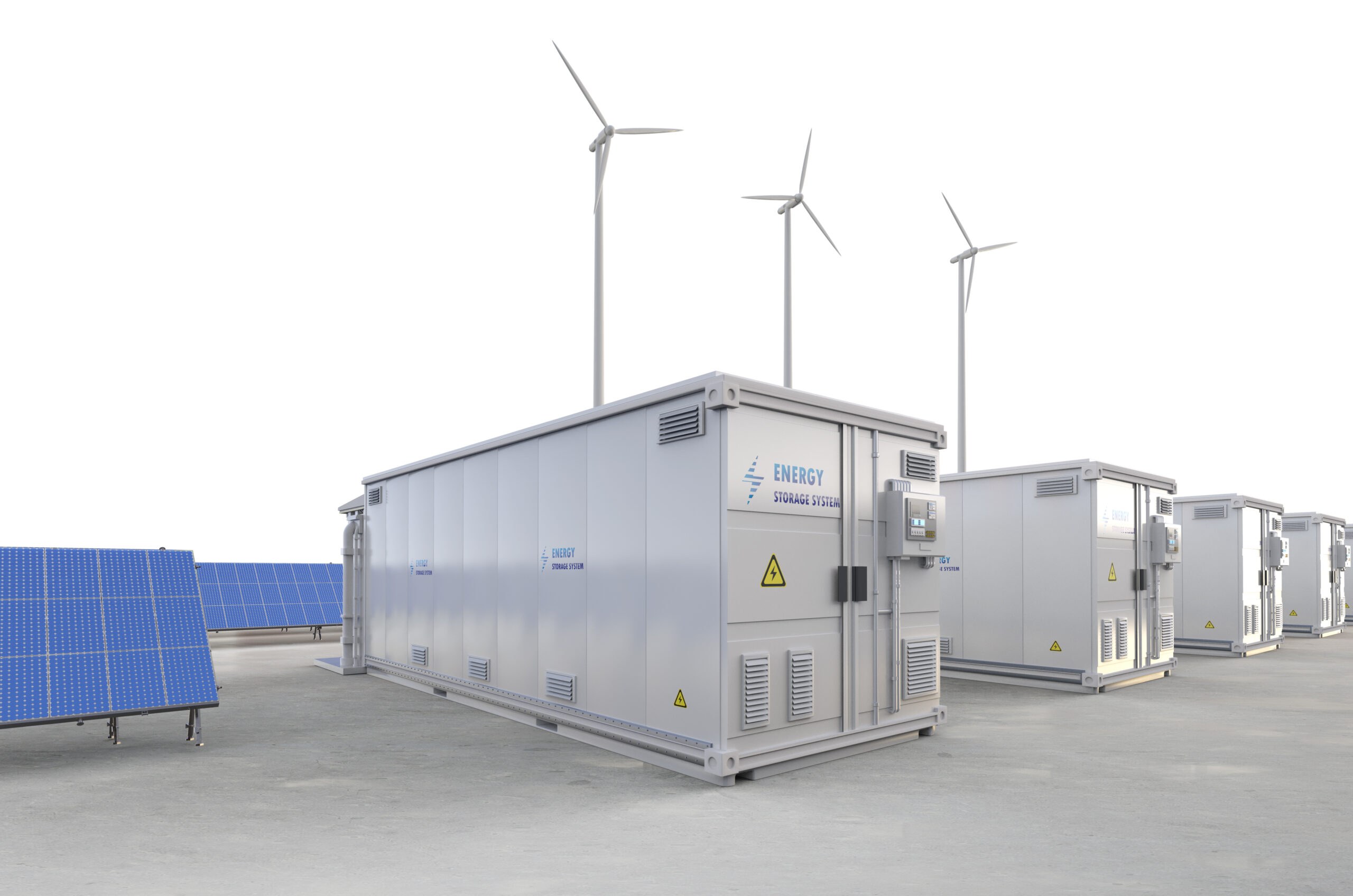
The chosen model is the capacity reserve auction in the form of power for storage. In practice, the government contracts companies that commit to installing and operating large batteries, ensuring they will be available to inject energy into the system when needed. Whoever offers the best price to provide this service wins the auction.
The initial focus is the Northeast, precisely where the supply of renewables is greater and waste is more acute. But the expectation is that battery storage will spread throughout the country as technology becomes cheaper and the electric system increasingly depends on intermittent sources.
The technology that became cheap
The auction only makes sense now because the price of batteries has plummeted in the last decade. Driven by the explosion of electric cars, the manufacturing of lithium-ion batteries has grown on a global scale and the cost has dropped significantly, making it feasible to install large storage banks connected to the grid, something that was too expensive until recently.
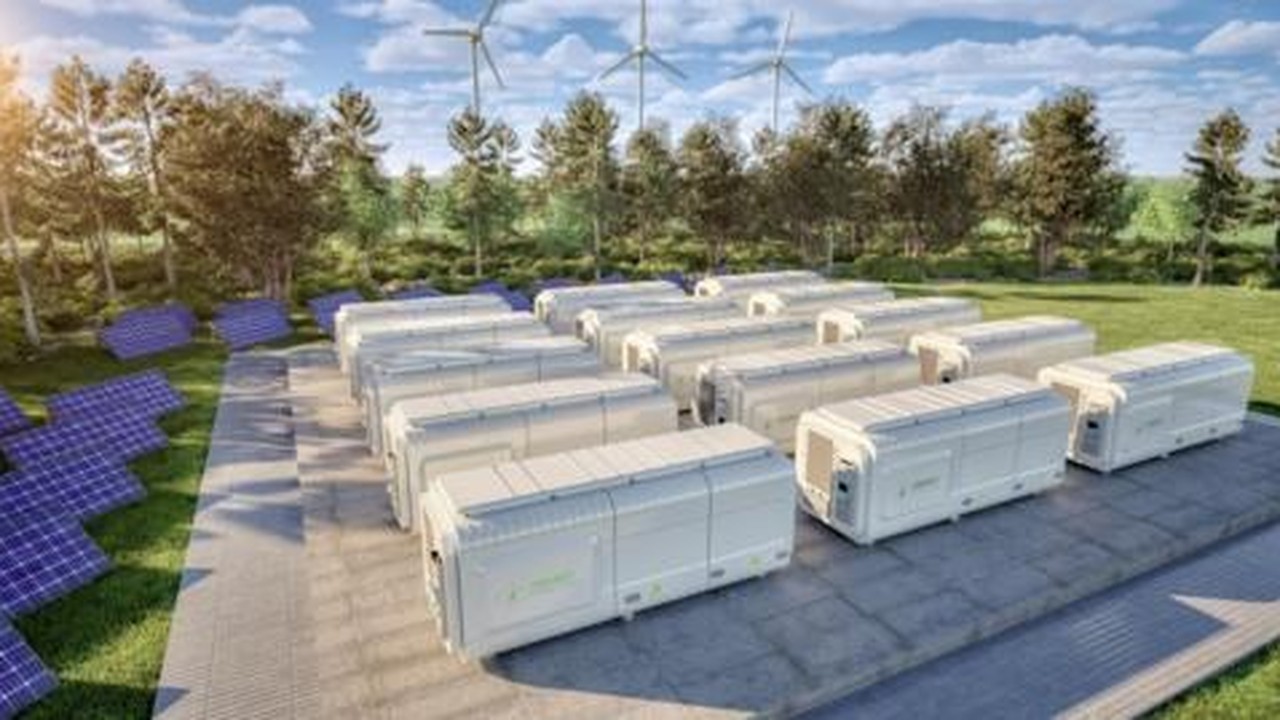
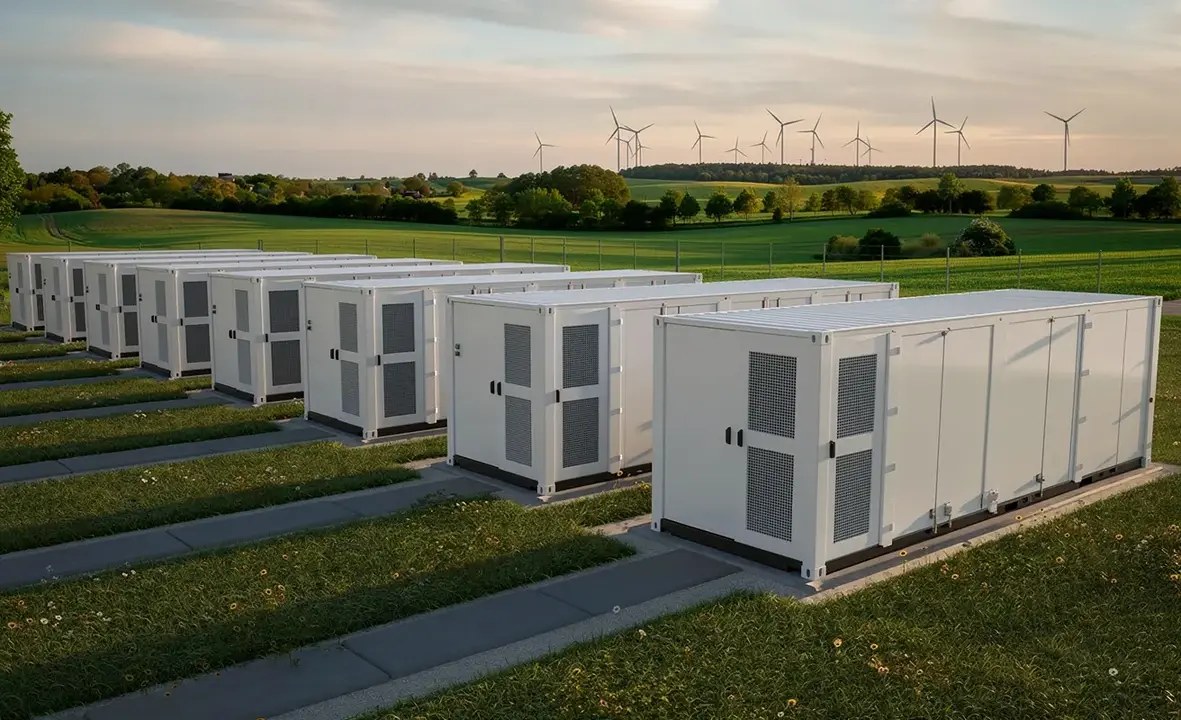
These systems operate in large containers filled with batteries, installed near solar and wind plants or strategic points of the grid. They charge when there is surplus and cheap energy and discharge when it becomes scarce and expensive, in a back-and-forth that repeats every day and helps balance the system.
What changes for the electric system
Storage gives the system a word that engineers value highly: firmness. With batteries, renewable energy is no longer just cheap and abundant but also reliable, available at the right time. This reduces the need to activate expensive and polluting thermal plants during peak hours, which can lower the electricity bill in the long run.
There is also a gain in security. The more the country depends on sun and wind, the greater the risk of blackout if generation suddenly drops. Batteries act as a buffer that supports the system in critical moments, giving time for other sources to come into action and preventing supply interruptions.
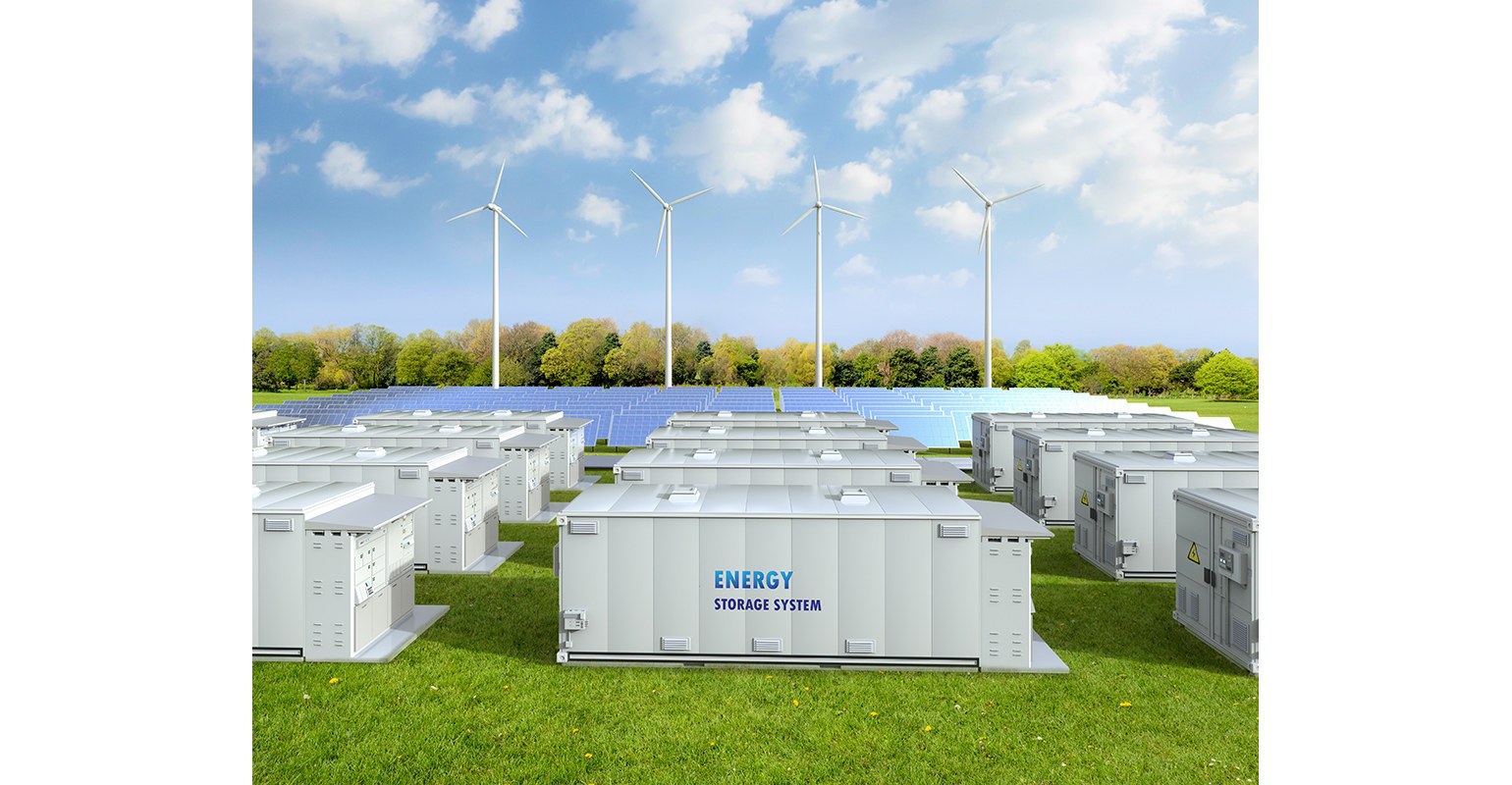
The auction places Brazil in a group of countries that are already heavily investing in storage as a key piece of the energy transition. According to the Ministry of Mines and Energy and ANEEL, the initiative is seen as essential to sustain the growth of renewables without compromising the stability of the national electric system in the coming years.