






 Portuguese
  Spanish


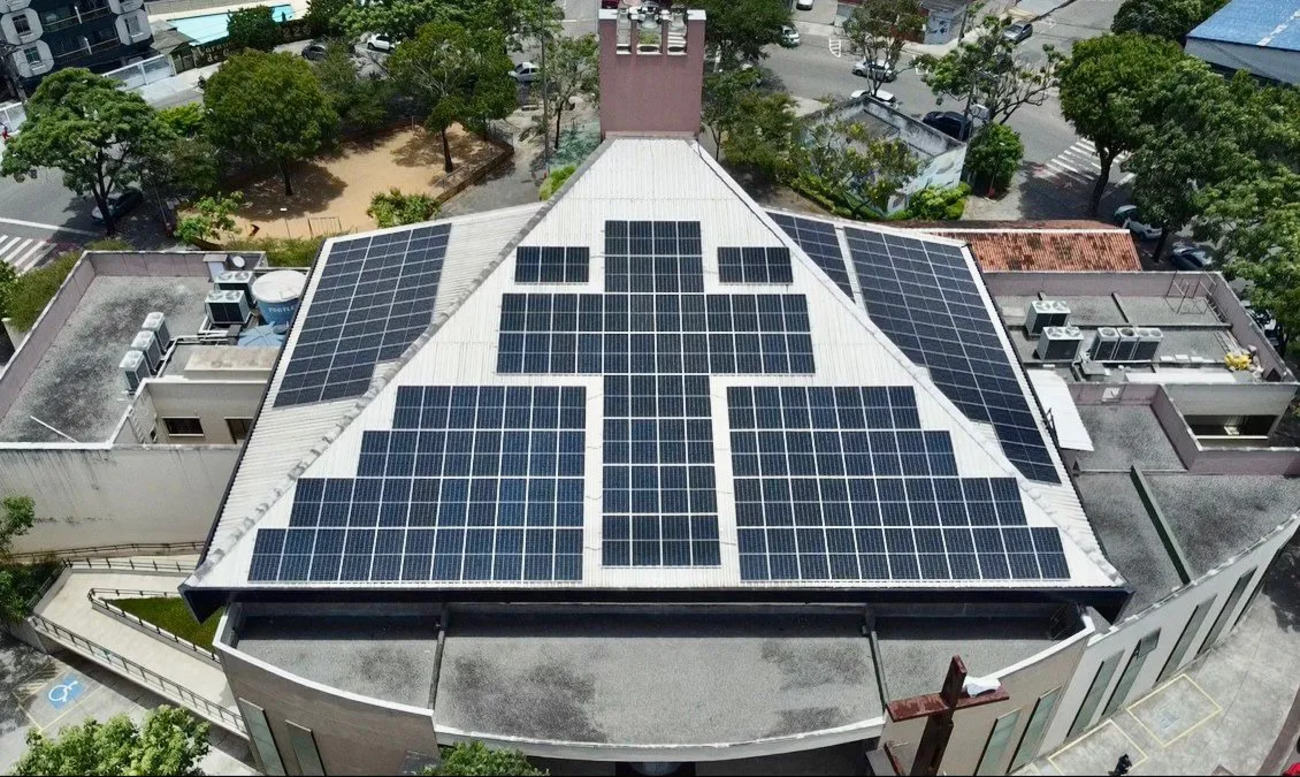
The new Bill aims to democratize access to photovoltaic technology and includes religious temples in the solar energy program to alleviate operational costs and expand sustainability in Brazil.
A new Bill currently under consideration in the Chamber of Deputies aims to transform the financial reality of religious institutions by ensuring their participation in the solar energy program of the Federal Government.
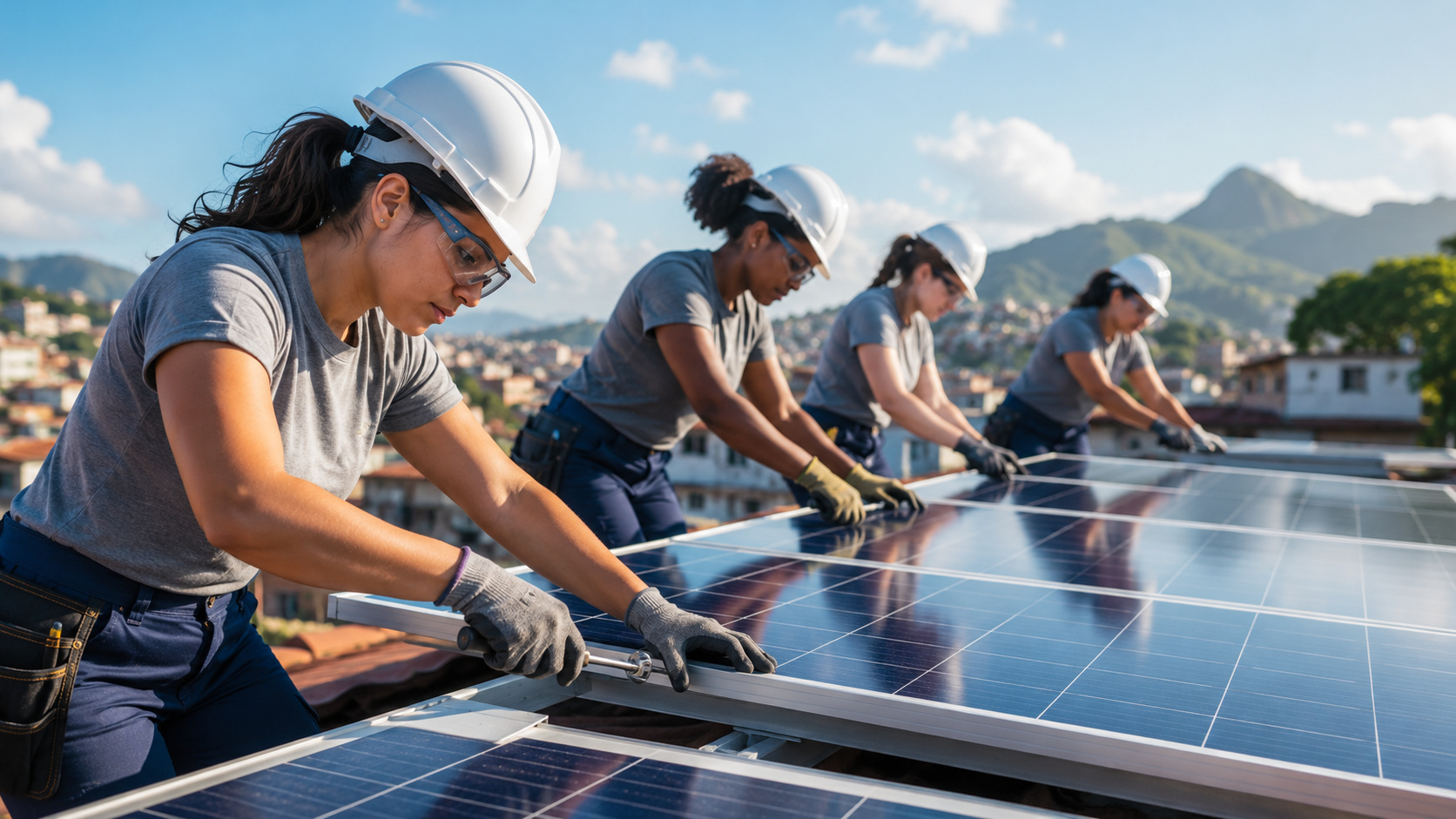
The proposal establishes that churches of any denomination will benefit from tax incentives and easier credit lines for the installation of photovoltaic panels on their roofs.
The author of the project argues that the measure relieves the budget of communities, allowing religious leaders to redirect resources previously spent on electricity to social actions and charity projects.
-
Solar energy can increase property value by up to 10% and become a selling point.

-
Solar and wind energy surpass natural gas for the first time in the world and accelerate energy revolution

-
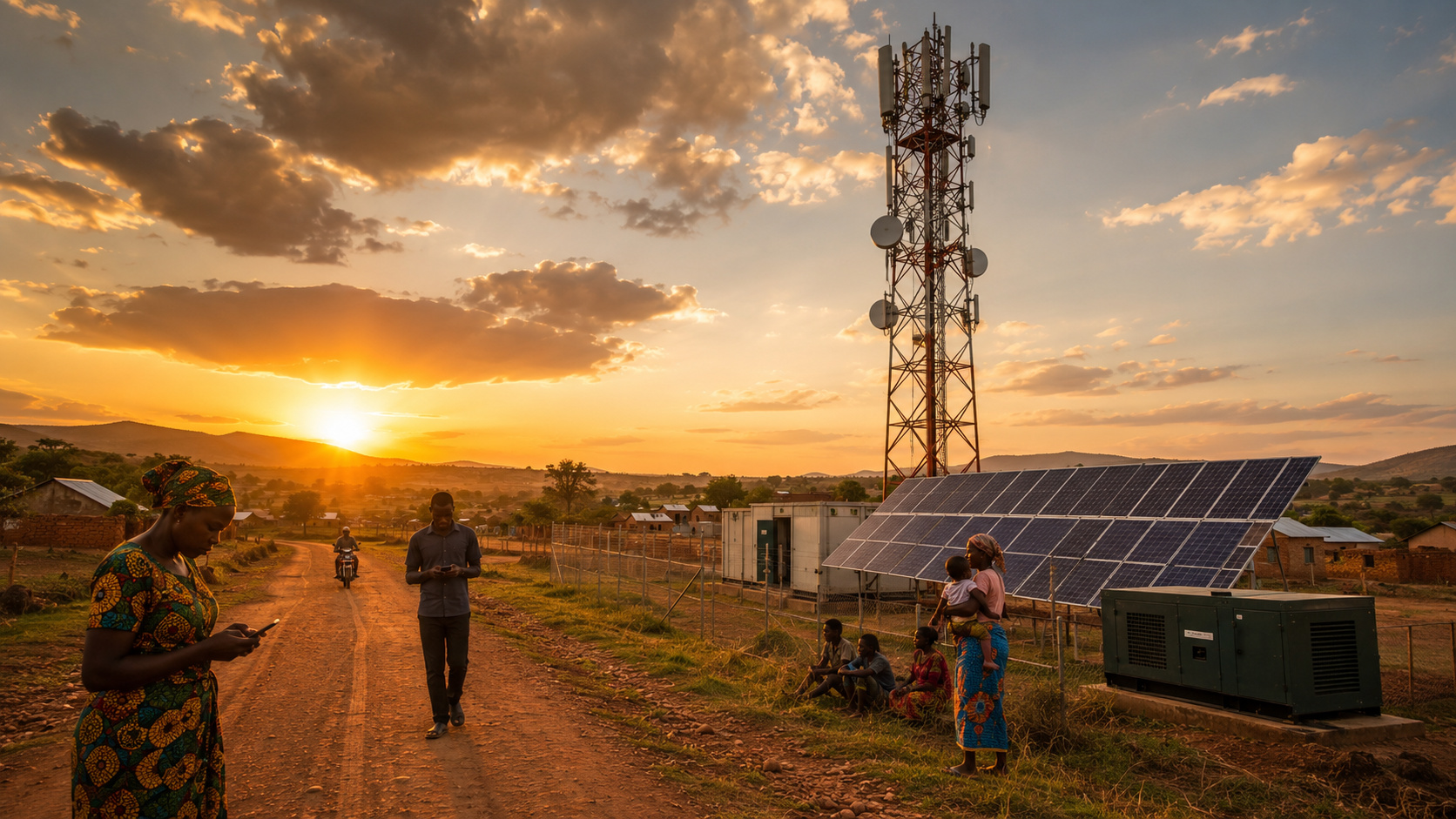
Africa has about 500,000 cell towers and most still burn diesel to operate, while companies rush to cover antennas with solar energy and avoid signal blackouts.
-
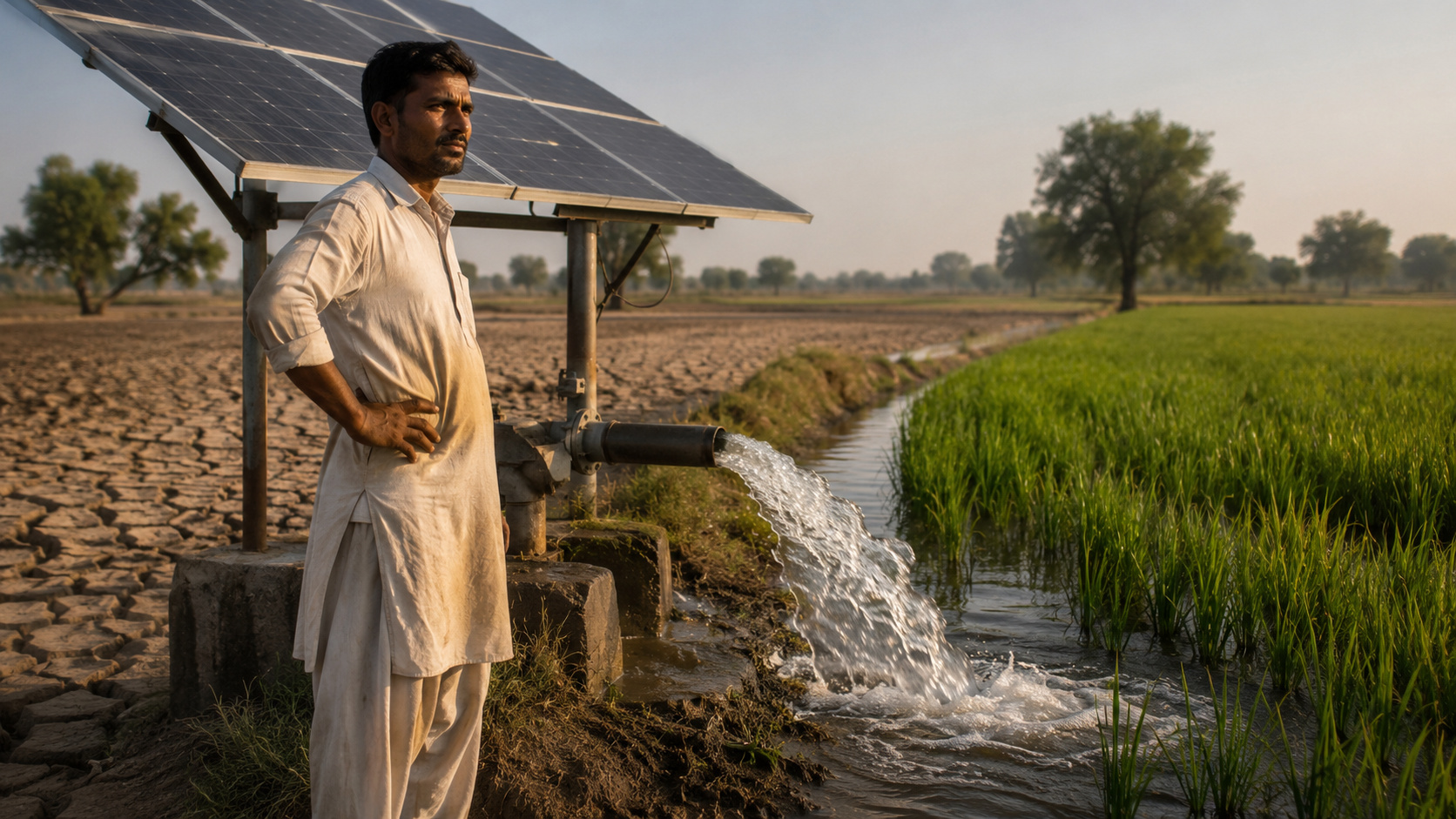
Farmers swapped diesel for solar panels in Pakistan, powered irrigation pumps almost cost-free, expanded rice fields, and now groundwater has become a red alert in the countryside.


Currently, high electricity tariff costs represent one of the biggest financial bottlenecks for temples, which have large built areas and high consumption during services and events.
If lawmakers approve the text, Brazil will take a giant step in expanding the renewable matrix, using the reach of religious institutions to disseminate the concept of energy efficiency in all municipalities across the country.
How inclusion in the solar energy program works
The legislative proposal alters current guidelines to allow non-profit entities, specifically religious organizations, to access the benefits of the solar energy program.
In the current model, many of these institutions face technical and bureaucratic barriers to financing microgeneration systems. The project removes these obstacles by classifying temples as direct beneficiaries of policies promoting clean energy.
The system works through credit compensation. The panels installed on the church roof capture sunlight and convert it into electricity. When production exceeds instantaneous consumption, the energy flows into the local distributor’s grid.
This “surplus” generates credits that the church uses to offset the bill during nighttime or rainy days. This dynamic ensures budget predictability that institutions currently lack due to constant adjustments and tariff flags.
The social impact of reducing electricity costs
The savings generated by joining the solar energy program have a practical impact that goes far beyond the walls of temples. Many churches maintain daycare centers, nursing homes, rehabilitation centers, and food distribution projects. When an institution reduces its electricity bill from R$ 5,000 to the minimum availability fee, it gains financial breathing room to expand these activities.
Photovoltaic technology allows resources from donations and tithes to fulfill their original social purpose more efficiently. In underserved communities, the church is often the main support point for families in vulnerable situations.
Therefore, ensuring cheap energy for these entities means, indirectly, investing in the country’s social safety net, without the need for direct public funding transfers.
The potential of religious rooftops in Brazil
Have you ever stopped to think about the number of churches spread across the national territory? From small chapels in rural areas to large cathedrals and monumental temples in the capitals, Brazil has hundreds of thousands of religious buildings. The vast majority of these constructions have wide roofs with excellent solar exposure.

By integrating these buildings into the solar energy program, the country creates a “distributed power plant” of continental proportions. This technical potential helps to relieve the national electrical system, especially during peak hours.
Moreover, the visual presence of solar panels in high-traffic areas serves as a powerful educational tool, encouraging the faithful to seek the same solution for their own homes.
Sustainability as a spiritual and environmental value
The discussion about the solar energy program in churches also touches on ethical and environmental aspects. Leaders of various religions advocate for the “preservation of creation” and care for natural resources. Adopting photovoltaic energy aligns theological discourse with administrative practice, demonstrating responsibility towards the planet.
Generating energy from the sun emits no greenhouse gases and consumes no water, unlike hydroelectric and thermal power plants. When a temple decides to change its energy source, it reduces its carbon footprint and contributes to combating climate change.
This cutting-edge example helps modernize the image of institutions, showing that faith and science can walk together for the common good.
“`html

Facilitated credit lines and financing
One of the pillars of the Bill involves creating special payment conditions. The text suggests that public banks, such as the BNDES and Caixa Econômica Federal, offer reduced interest rates so that churches can purchase equipment under the solar energy program. Often, the installment amount of the financing ends up being less than the amount saved on the electricity bill.
This financial setup makes the investment “self-financing.” The church does not need to withdraw resources from its reserve fund. It simply replaces a variable and increasing expense (the electricity bill) with a fixed investment that pays for itself in a few years.
After the system is paid off, electricity becomes virtually free for a period exceeding 25 years, which is the estimated lifespan of modern solar panels.
Transparency and criteria for participation
To prevent fraud or misuse, the Bill establishes strict criteria for inclusion in the solar energy program. Institutions must have an active registration with the CNPJ, a regularized social statute, and prove that the properties have a religious or social purpose.
Oversight is the responsibility of regulatory agencies and energy companies, which monitor the installation and operation of the systems. The goal is to ensure that the benefit truly serves the communities and does not serve disguised commercial purposes.
Transparency in the process strengthens the legitimacy of the proposal and ensures the support of civil society for the approval of the law.
The modernization of the electrical infrastructure of temples
The installation of a photovoltaic system through the solar energy program generally requires a complete review of the building’s electrical network. Old buildings, often with precarious wiring, undergo necessary modernization to support the new inverters and bidirectional meters.
This update increases the safety of the installations, preventing short circuits and fires. Additionally, the technology allows for remote monitoring of production and consumption through mobile applications.

Church administrators can view, in real time, how much energy the church produces and what environmental impact is generated (such as the number of trees saved or the amount of carbon avoided).
“`Biogas and Other Renewable Sources in Rural Temples
Although the main focus is on the photovoltaic system, the solar energy program opens doors for other discussions about renewables in religious environments. In rural areas or agricultural colonies maintained by religious institutions, there is potential for the use of biodigesters that transform organic waste into biogas.
The legislative proposal focuses on solar energy as it is the most democratic technology and easy to install in urban centers, but the movement for energy independence among churches tends to expand.
By guaranteeing the right to sunlight, the Federal Government encourages a culture of self-sufficiency that protects institutions against energy crises and rationing, ensuring that spiritual and social activities continue to operate regardless of the conditions of the national grid.
Energy Independence and Protection Against Inflation
The Brazilian electricity sector faces constant price variations due to rainfall patterns. When reservoirs drop, the government activates tariff flags (yellow or red), increasing the bills for all Brazilians. For churches, which operate on budgets based on voluntary donations, these financial shocks are extremely harmful.
By joining the solar energy program, the temple “locks in” its energy costs. The sun does not send bills or suffer inflation adjustments. This stability allows for much safer long-term financial planning.
Leaders can plan renovations, purchase sound equipment, or expand social works with the certainty that the electricity bill will not unexpectedly drain the community’s resources.
A Step Towards the Sustainable Future of Communities
The inclusion of churches in the solar energy program represents a victory for sustainability and collaborative economy. The Bill recognizes the fundamental role of religious institutions at the base of society. And it offers a modern tool for them to operate more efficiently and at lower costs.
The transformation of sacred rooftops into sources of clean energy symbolizes the modernization of Brazil and the democratization of technology. When the law comes into effect, the country will see a reduction in pressure on hydropower plants and a strengthening of social actions promoted by these entities.
The sun, an abundant resource in Brazilian lands, now becomes the faithful ally to ensure the continuity and expansion of the work of thousands of churches, benefiting directly and indirectly the entire Brazilian population.








Be the first to react!