






 Portuguese
  Spanish


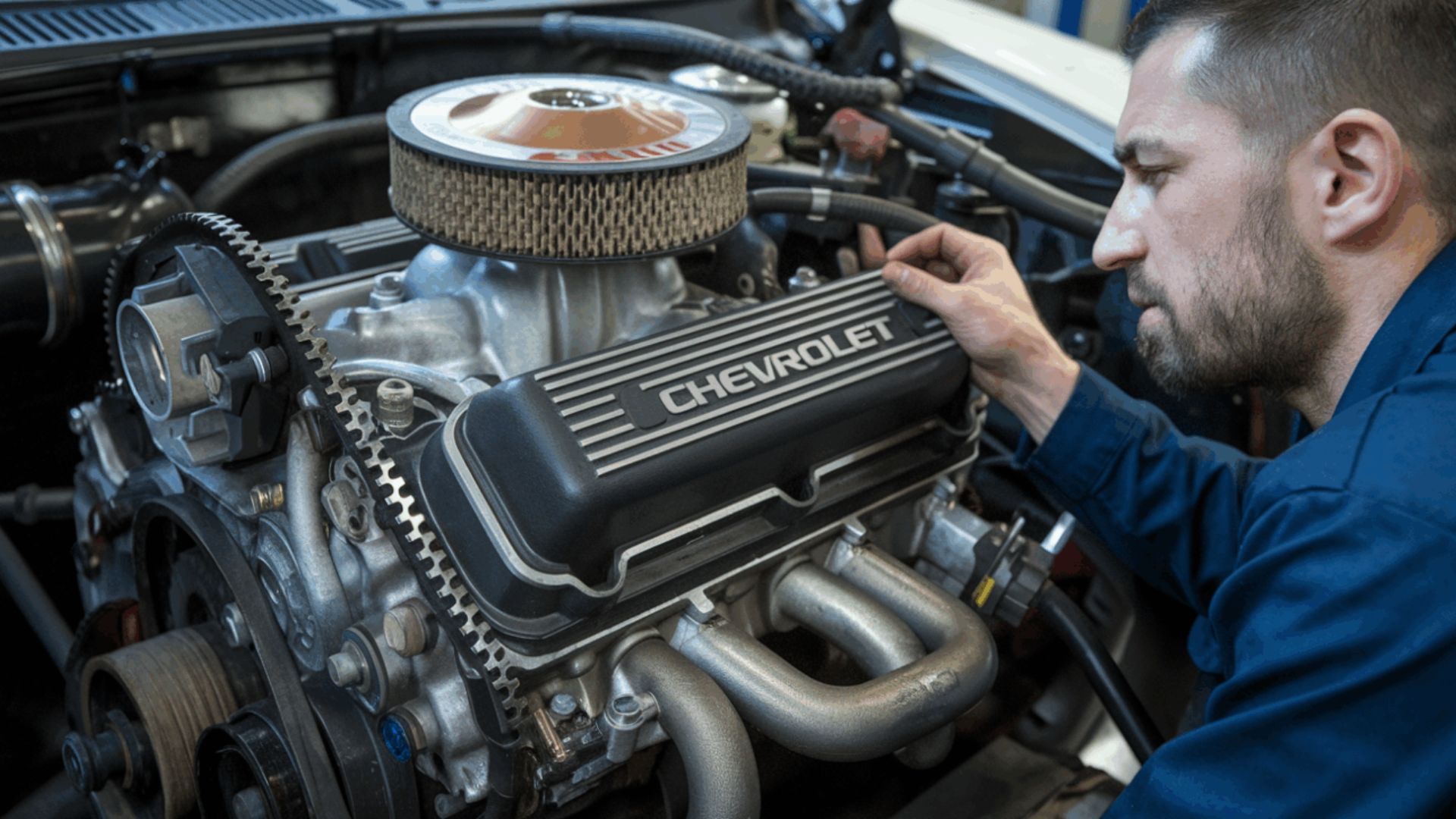
Technology Applied to the Onix and Tracker Engines Draws Drivers’ Attention for Requiring Specific Maintenance Care and Approved Oil Use, While Offering Gains in Efficiency, Durability, and Lower Noise Emissions.
General Motors emphasizes that the oil-bathed timing belt used in the Chevrolet Onix and Tracker is part of an engineering project conceived for durability and efficiency, and its replacement is not trivial.
According to Fabio Rua, Vice President of GM for Brazil and South America, this is a set designed to work with this specific component, and therefore, changing it to a chain would require deep reconfigurations in the engine architecture, impacting noise, consumption, and emissions.
By adopting the internally lubricated belt by the engine oil, the automaker seeks to reduce friction and mass, as well as mitigate vibrations.
-
Uber Black Revamps Fleet, Drops Ten Car Models and Sets Deadline for Electric BYD Dolphin

-
Chinese Giant Uses Metal Structures and Cranes to Deliver Over 700 Electric Cars to Brazil

-
Uber Faces Shareholder Scrutiny as Board Accused of Ignoring Safety, Compliance, and Harassment Warnings Amid Over 3,500 U.S. Lawsuits
-
Ferrari’s First Electric Car Divides Fans, Priced at $630,000, Amid Concerns Over Limited Editions; Brand Clarifies It’s Not Just for Future Perks


The company highlights that the solution is present in three-cylinder engines applied in different markets and was designed to deliver quieter operation, lighter response, and efficiency gains compared to chain systems.
Although reports of failures circulate among consumers, GM attributes these cases primarily to inadequate maintenance.
The use of lubricants outside specifications, as well as interventions outside the recommended standards, can compromise the material of the belt and accelerate degradation.
Under correct usage and maintenance conditions, the company states, there are no inherent failures in the component.
What Is the Oil-Bathed Timing Belt and How Does It Work

The oil-bathed timing belt is a toothed belt that operates within the block, in a lubricated environment.
Unlike exposed belts, this design allows for reduced losses due to friction and operating noise, favoring the energy efficiency of the assembly.
According to the manufacturer, the component is produced in HNBR, a high-resistance material, with teflon coating, a combination that withstands high temperatures and permanent contact with oil.
This arrangement seeks to optimize the synchronization of the camshaft-crankshaft assembly with less moving mass and lower mechanical effort.
In addition to contributing to fuel economy, the solution reduces the transmission of vibrations to the cabin, which helps in perceived acoustic comfort.
Why GM Does Not Use Timing Chains in These Engines
According to GM, the choice of the oil-bathed timing belt is not a one-off replacement but a engine concept.
A potential migration to chains would require project revisions involving tensioners, guides, housings, lubrication, and calibration, among other points.
Engineering assesses that this change could affect noise, consumption, and emissions targets set for the engine family.
In addition to meeting efficiency targets, the belt allows for calibrations that prioritize smoothness and linear responses in typical urban use regimes.
In summary, the automaker believes that the current technical package better meets the project’s requirements than a traditional chain.
Proper Maintenance and the Impact of the Correct Oil on Durability
The performance of the system depends on approved oil.
GM advises using lubricants with Dexos 1 Gen 3 certification, whose formulation is compatible with the material of the belt and the engine’s requirements.
The use of oil different from the specification may alter the chemistry of additives, wear down the coating of the belt, and generate particles that affect the assembly.
Revisions should occur, under normal usage conditions, every 10,000 km or 12 months, with oil and filter changes respecting the interval and procedures outlined in the manual.
In periodic inspections, the authorized network checks the condition of the component and signs of oil contamination, taking preventive measures when necessary.
Warranty and Coverage Conditioned by Maintenance
The automaker establishes specific coverage conditions for the system when the maintenance plan is fulfilled within the network and with the recommended lubricant.
There is reference to coverage of up to 240,000 km or 15 years, conditioned on the history of revisions and the use of the appropriate oil, with checks every 10,000 km or one year.
This arrangement seeks to ensure that the assembly operates within the parameters defined in the project and that any anomalies are detected before becoming failures.
Even though the belt operates oil-bathed, practices such as topping off with non-specification product, self-adding additives, or extending the change interval reduce the safety margin.
In any of these scenarios, the projected durability may not be confirmed.
Preventive Inspections in the Authorized Network
GM reports preventive actions for checking the condition of the belt and lubricant, with periodic inspections in the network.
During these visits, technicians assess wear, contamination, and atypical noises, as well as perform oil and filter changes when indicated.
According to the company, this measure has a competitive cost and helps to preserve the assembly and maintain the warranty.
The goal is to guide owners to centralize services in the network to ensure standardized procedures and parts and fluids according to the project.
In parallel, the manufacturer reinforces the guidance to consult the owner’s manual to confirm deadlines and specifications for each version.
Benefits and Limitations of the Technical Solution
Among the advantages cited for the oil-bathed timing belt are lower noise, reduction of internal friction, and lower overall weight compared to the chain, with positive reflections on consumption and emissions.
At the same time, the system is sensitive to the type of oil and maintenance discipline.
The cost-benefit ratio tends to be favorable when the owner follows the specifications, keeping the engine within the designed parameters.
On the other hand, interventions not foreseen by the manufacturer, modification of intervals, use of different lubricants, or repairs outside the procedure can increase the occurrence rate.
The automaker emphasizes that the most common complaints correlate with these maintenance variables.







-

2 people reacted to this.