Portuguese
  Spanish


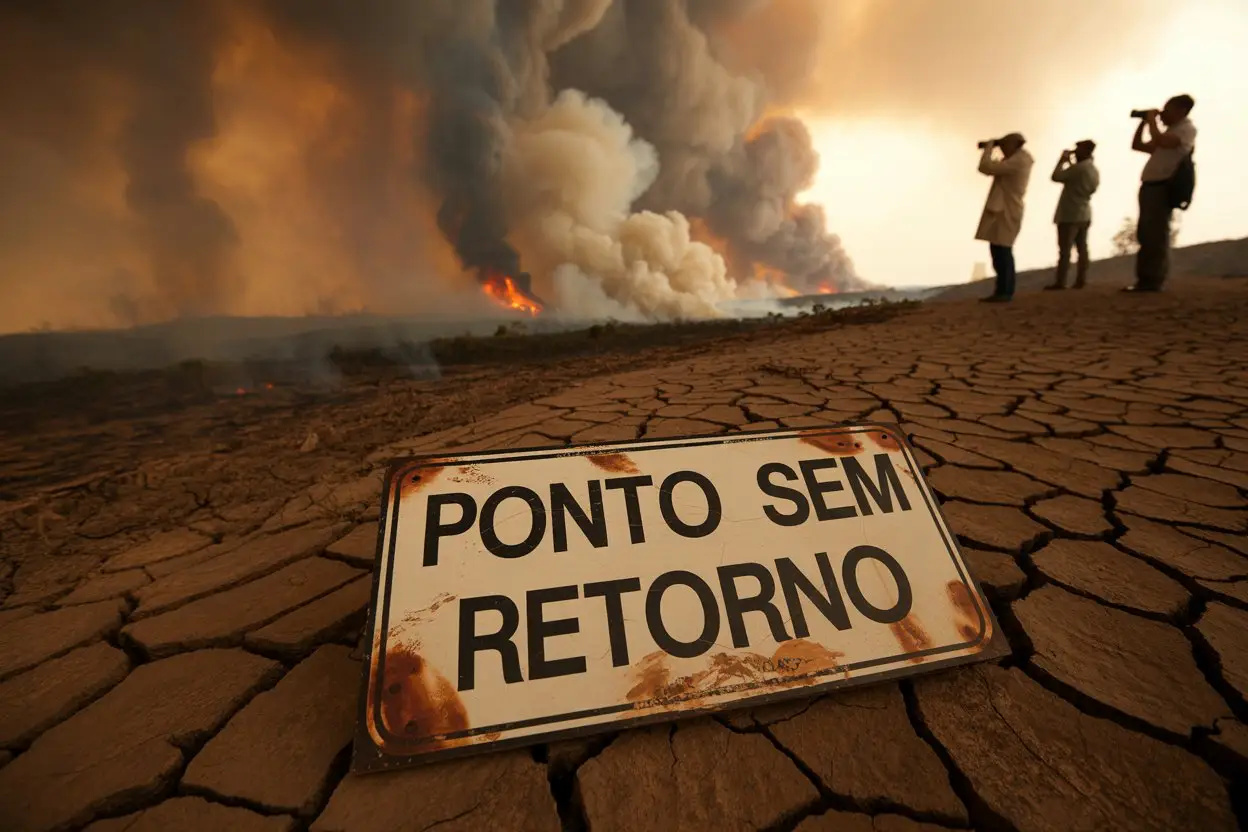

Inter-American Court Recognizes That the Climate Crisis Violates Human Rights and Demands Action from States to Combat It!
The Inter-American Court of Human Rights issued a historic advisory opinion, declaring that States have the obligation to respect, guarantee, and protect human rights in the face of the climate crisis.
The decision, which resonates throughout the American continent, marks a turning point in the fight against climate change, elevating the environmental issue to an inalienable level of fundamental rights and emphasizing the urgency of preventing setbacks in social and environmental gains.
Decision Can Serve as a Basis to Avoid Climate Crisis
The document emphasizes that inaction in the face of the climate crisis is not just a political failure, but a direct violation of rights such as life, personal integrity, health, food, and the right to a healthy environment.
-
U.S. Establishes Permanent Embassy in Jerusalem, Reigniting International Debate Over Israel’s Capital

-
The world has nearly 12,000 nuclear warheads, with the majority held by the United States and Russia; see the figures for China, France, and the United Kingdom.

-
Venezuela Faces UN Alert for Hunger, Disease, and Service Collapse After Earthquakes Cause Nearly 2,000 Deaths and $6.7 Billion in Damages

-
Brazil Deploys Navy Field Hospital with ICU, Orthopedics, Pediatrics to Earthquake-Stricken Area in Venezuela, Offering 30 Beds and 150 Daily Consultations


Avoiding Setbacks: An Imperative for the Future
The decision serves as a legal shield against measures that could, for example, relax environmental legislation, promote deforestation, or encourage polluting industries without due compensation and protection of human rights.
For the signatory countries of the American Convention on Human Rights, the opinion of the Inter-American Court of Human Rights establishes a binding framework, requiring the implementation of robust and effective public policies to combat the climate crisis and protect their citizens.
Challenges and Opportunities Ahead
The opinion of the Inter-American Court of Human Rights represents a significant advance, but the challenges of its implementation are immense. Governments will need to review and adjust their legislation and policies, investing in renewable energies, promoting a just ecological transition, and ensuring the full participation of civil society in environmental decisions. Involvement from multiple sectors—from the judiciary to the private sector—will be crucial in turning these guidelines into concrete actions.