Portuguese
  Spanish



Including Petrobras, an analysis from IBP (Brazilian Institute of Petroleum) taking into account data sources from public and private institutions brings unpleasant forecasts for the oil market, which was recovering and had medium-term growth prospects.
The rapid spread of Covid-19 will Impact Global Economies, since it started in China, the pandemic has already reached all continents and today only increases the statistics of cases and deaths, challenging health authorities around the world.
China, having been the first country affected by the disease, was also the first to feel the economic crisis. The International Energy Agency (IEA) estimates that Chinese demand for oil in the first four months of 2020 will be 1.8 million barrels/day lower than in 2019. It is worth remembering that China accounts for 16% of the world’s GDP, and at global levels this is reflected in direct impacts on the economic activity of all countries.
-
Qantas and Airbus Invest in Company Aiming to Convert Unsorted Household Trash into Jet Fuel

-
Brazil’s ANP Opens 86 New Oil Blocks in the Equatorial Margin, Expanding the Amazon River Mouth Frontier

-
OPEC+ Boosts Oil Supply by 188,000 Barrels per Day in July 2026, Leading to Price Drop from $112 to $89 per Barrel in Under Two Months

-
TotalEnergies Signs 20-Year Deal to Purchase 2 Million Tons of LNG from Alaska, Boosting Project Viability



Petrobras Affected
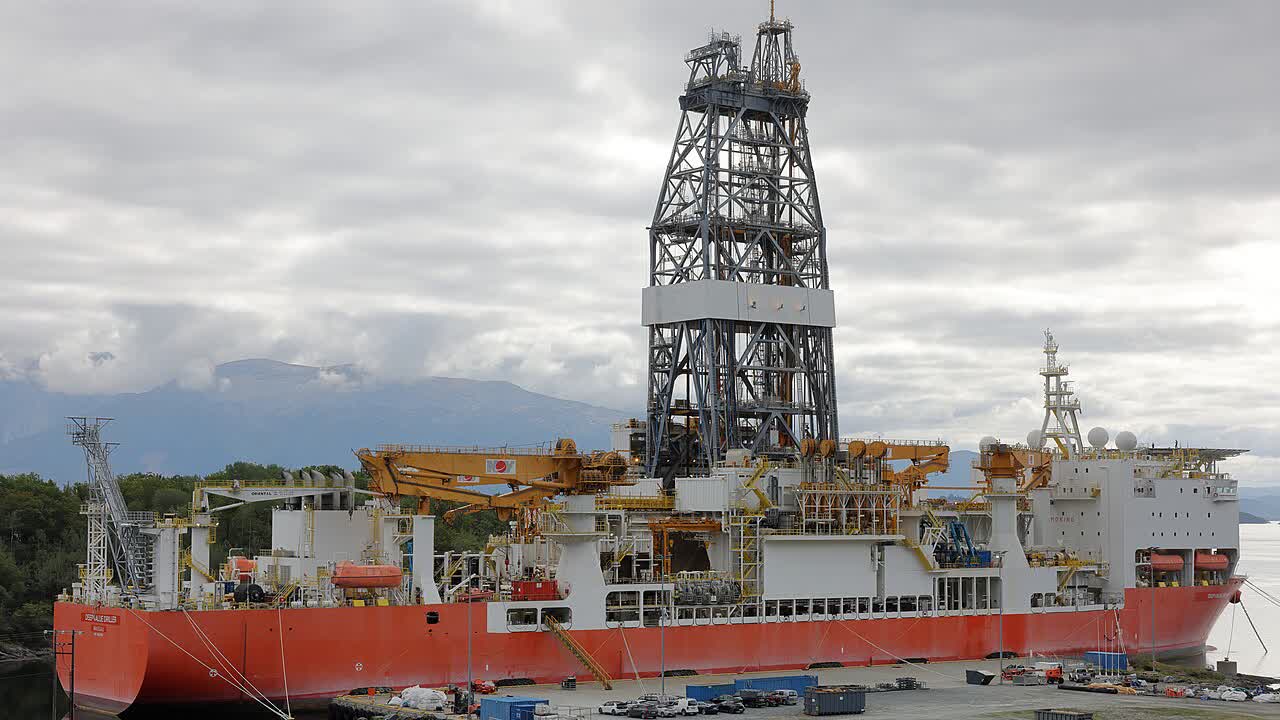
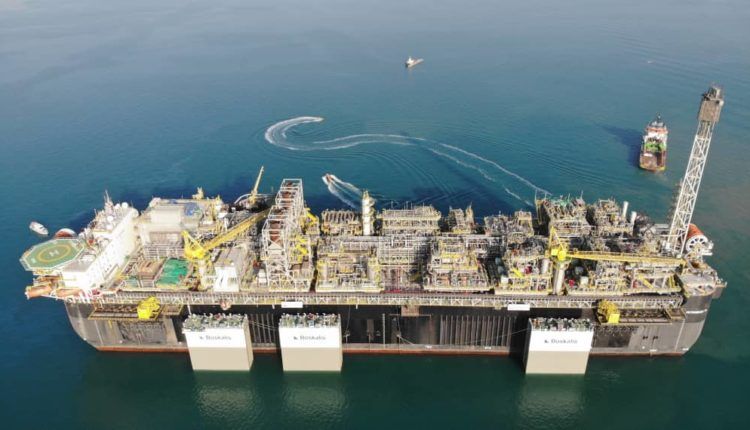
Looking at the Oil Industry side, a delay in the delivery of 22 of the 28 FPSOs ordered globally is projected, with 18 of these FPSOs depending on Chinese shipyards and 5 belonging to Petrobras. Production stoppages and supply disruptions can last up to a year and will represent an increase of approximately 30% in delays in the construction schedules of the platforms.
Another factor that will affect the Brazilian oil market is the fact that China (the second-largest consumer in the world) will experience a weakening of Chinese demand for oil and derivatives by 10% compared to 2018, and the country is the largest buyer of Brazilian crude oil.
The decline in Chinese demand may be seen in the transport and tourism sector, with the cancellation of 200,000 flights, consequently reducing the number of passengers and freight, halting production lines, and a 32% drop in port calls.
Another factor that suggests we will have difficult days ahead is the lack of an agreement for new production cuts between Russia and Saudi Arabia, which led to the announcement of increased production and a price discount per barrel by the latter, which caused the price to drop to an unbelievable US $25.1.
In conclusion, this lack of agreement from OPEC+ regarding production cuts and the spread of COVID-19 will lead institutions to take action to revise their projections for oil demand and prices downward.