Portuguese
  Spanish


Brazil Registers 3% Growth In Solar Installations With 109 Thousand New Projects, But Capacity Expansion Slows Down. Solar Energy Is An Attractive Investment.
In 2025, a significant leap was observed in solar energy in Brazil. In the first two months, solar installations increased by 3%, resulting in 109 thousand new systems implemented. This advancement reaffirms the country’s commitment to clean energy, consolidating over 3.3 million photovoltaic systems in operation. This data was compiled by the Brazilian Association of Photovoltaic Solar Energy (ABSOLAR), which highlights the growing adoption of this sustainable technology throughout the national territory.
Despite the progress in the number of installations, the installed capacity grew by only 1.2 MWp, recording a 24% lower increase compared to the same period in 2024. This fact signals a moderate pace in capacity expansion, but at the same time, highlights that solar energy continues to be an attractive investment for residential and industrial consumers. Experts suggest that diversification in a solar solutions ecosystem and the implementation of favorable public policies have driven this development.
Attraction for Solar Investment Grows in 2025
Various advantages, such as reduced electricity costs and minimized environmental impacts, have motivated more investors to consider solar energy a viable option. The enthusiasm for photovoltaic systems is not unfounded, with many people reporting substantial savings on their electricity bills. In addition, the growing awareness of climate change has encouraged greater inclusion of solar energy in the Brazilian energy mix.
-
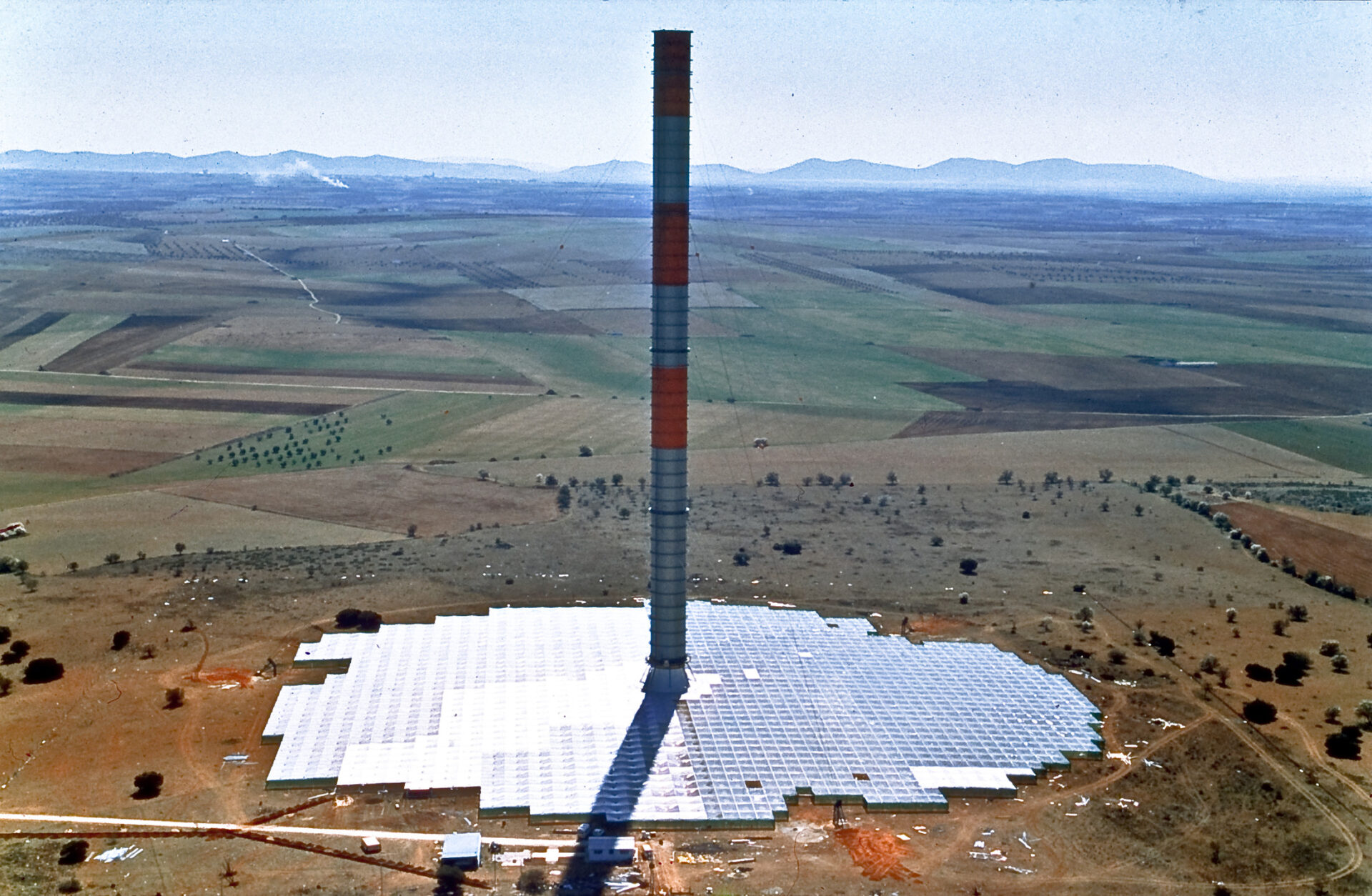
Solar Chimney in Spain Harnessed Sun to Generate Electricity for 7 Years Without Burning Fuel

-
Solar energy reaches 55 GW, becoming the second largest power source in Brazil’s energy mix

-
Solar energy can increase property value by up to 10% and become a selling point.
-
Solar and wind energy surpass natural gas for the first time in the world and accelerate energy revolution



In the global context, Brazil stood out in solar energy installation indicators, surpassing expectations and solidifying its position as a leader in Latin America. International companies, such as Bloomberg New Energy Finance and the International Renewable Energy Agency, have praised the country’s progress in this area. Local success highlights the potential for growth and subsequent interest in future investments.
The Brazilian government has implemented strategies to make renewable energies more accessible. In April 2025, new regulatory guidelines were approved that simplify the installation process. This regulatory change is crucial to allow solar energy to reach an even larger audience, thus increasing its market penetration.
Challenges and Opportunities in the Solar Energy Market
As solar energy expands, challenges related to infrastructure and logistics arise. However, with creativity and innovation driving solutions, the market is optimistic. Projections from the National Electric Energy Agency (ANEEL) for the end of 2025 indicate continued growth despite these barriers.
Raising awareness and educating the population about the benefits of solar energy are fundamental strategies for increasing adoption. Researchers from the University of São Paulo (USP) emphasize the importance of informative campaigns to expand public knowledge about its advantages.
Finally, as the world moves toward a greener future, Brazil continues to be a crucial piece in the global renewable energy puzzle, consolidating the power and promise of solar energy for future generations. Thus, the country remains steadfast in its trajectory towards sustainability and energy independence.
LARGEST ECOSYSTEM OF SOLAR SOLUTIONS
Data obtained from the monthly survey conducted by Solfácil demonstrates its prominent position as the largest ecosystem of solar solutions in Latin America, based on information provided by Aneel. Fabio Carrara, who serves as CEO and is the founder of Solfácil, emphasizes that, even with inflationary pressure, solar energy remains an attractive investment, with high return potential. As Carrara explains, the return on investment for consumers can happen in less than three years, which is considered exceptionally fast, unmatched in other international markets.
GROWTH OF PHOTOVOLTAIC SYSTEMS
In Brazil, the sustainable growth of solar energy was evidenced by the addition of 109 thousand new photovoltaic systems in the first two months of 2025, thus achieving an impressive total of 3.3 million systems in operation. However, the installed capacity expanded more slowly, with a slight increase of only 1.2 MWp, a volume that represented a 24% drop compared to the same period the previous year. The monthly survey by Solfácil, also supported by data from Aneel, indicates that the increase in the costs of solar equipment has been a considerable factor in the context of the slowdown in expansion.
IMPACT OF COSTS AND ADAPTATIONS IN THE MARKET
Due to rising equipment costs, many integrators face significant challenges to make large-scale projects feasible. The profile of solar installations has been transforming over the past few years. Smaller systems, with power ranging between 3 and 6 kWp, increased from 35% of installations in 2019 to 48% in 2025, establishing themselves as the predominant power range in the market.
ADAPTATION AND RESIDENTIAL GROWTH
The residential sector continues to stand out as a leader in the adoption of this sustainable technology, accounting for 84% of projects. Approximately 5% of homes in Brazil already use solar energy. The Central-West region stands out with the highest adoption rate at 8.5%, while the Northeast shows the lowest rate at 4.4%. Fabio Carrara from Solfácil reiterates the attractiveness of investing in solar energy, emphasizing that the return or payback can occur in less than three years for consumers.
Geographic Expansion: States and Capitals
In the analysis of the last 12 months, the states of São Paulo, Mato Grosso, and Minas Gerais stood out in the expansion of solar system adoption in the country. Other notable states include Rio Grande do Sul, Paraná, Bahia, Pará, Goiás, Mato Grosso do Sul, and Pernambuco. Among the capitals, Campo Grande (MS), Cuiabá (MT), and Belém (PA) have emerged as important centers for solar installations, demonstrating the advancement of technology in different regions.
Support and Financing from Solfácil
The monthly project known as Infographic Solfácil provides a comprehensive overview of industry trends. Solfácil remains prominent in its role within the solar solutions ecosystem in Latin America, connecting integrators and potential users of clean and renewable energy. Founded in 2018, the company offers a wide range of services, including photovoltaic systems, financing, distribution, monitoring, and insurance. To date, Solfácil has received investments totaling over 800 million reais, with support from entities such as QED Investors, SoftBank Group, Valor, and the World Bank (IFC).
Positive Environmental Impact
With a broad presence across the national territory, Solfácil has already managed to prevent the emission of more than 188 thousand tons of CO2 into the atmosphere, an environmental contribution equivalent to planting more than 428 thousand trees over two decades.
Source: Press HITACHI ENERGY