






 Portuguese
  Spanish





In Times Of Searching For Alternatives For Extra Income And More Sustainable Ways To Secure One’s Food, Many People Have Turned Their Eyes To Simple And Low-Cost Initiatives In The Rural Area. The Idea Of Transforming Small Idle Spaces Into Sources Of Production And Profit Sparks Curiosity, Especially When It Does Not Require Complex Structures Or Large Initial Investments. Among The Options That Stand Out, The Creation Of Laying Hens Emerges As A Classic Example Of An Accessible Activity, Able To Unite Practicality And Quick Return
Is It Possible To Make A Profit With 10 Hens? Dreaming Of Producing One’s Own Food, Reducing Household Expenses, Or Even Starting A Small Business In The Backyard Is A Common Desire Among Those Who Live In The Country And Even Among City Dwellers.
The Idea Of Starting With Something Simple, Low-Cost, And Easy To Manage Often Arises As The First Gateway To The Universe Of Rural Production.
Among The Most Remembered Options, The Creation Of Laying Hens Appears As An Attractive Alternative Because It Requires Little Space And Offers Quick Returns, At Least In Theory.
-
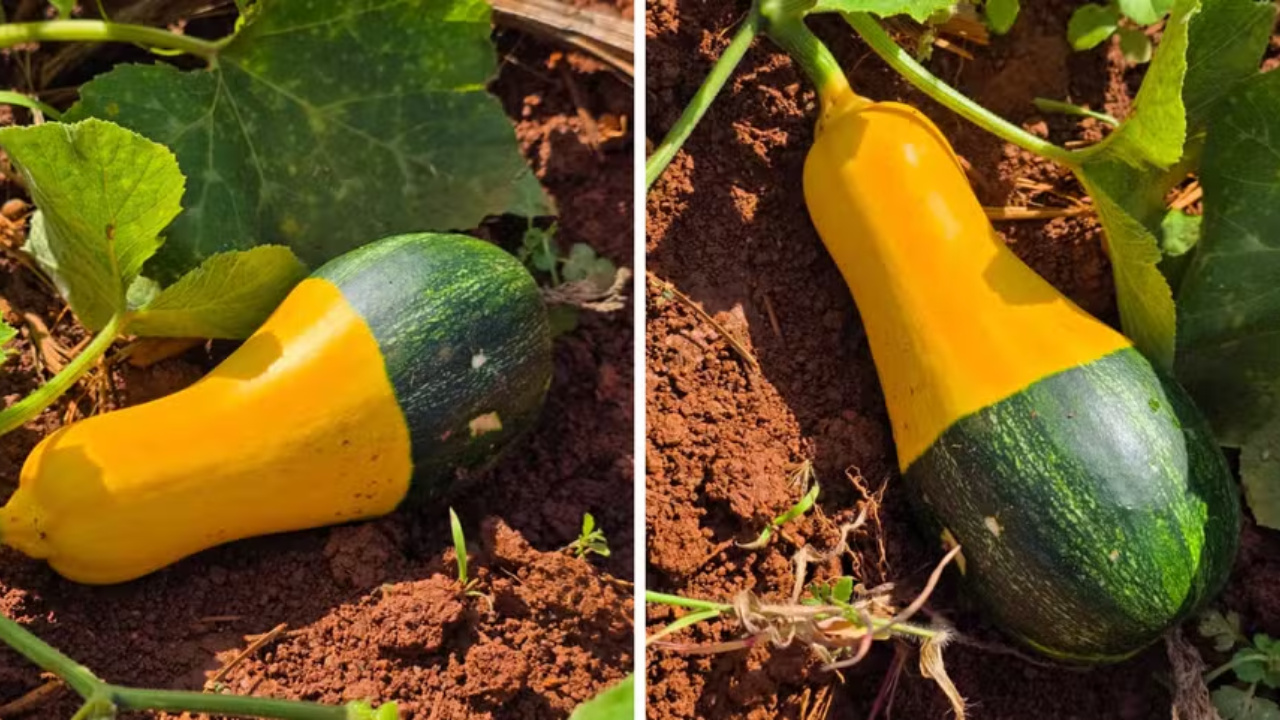
Bicolor Pumpkin Resembling Hand-Painted Art Discovered by Brazilian Researchers in the Capital Due to “Spontaneous Mutation”

-
In China, a 26-story building produces 1.2 million pigs annually, revolutionizing livestock farming with tube feeding and AI surveillance.

-
With Nearly 60% Desert, Israel Desalinates Seawater and Recycles 90% of Wastewater to Build a Billion-Dollar Agricultural Powerhouse in Dates and Cotton
-
74-Hour Barbecue in Brazil Sets World Record: 3.4 Tons of Meat, 10,500 Meals Served




It Was With This Scenario In Mind That The Channel Agronomist Fábricio Andrade Created A Video Presenting A Feasibility Exercise For Raising Just Ten Hens.
The Proposal Was To Practically Estimate The Costs, Revenue, Possible Profit, And Payback Period Of The Investment, All Without Considering Complex Structures Or High Initial Investments.
The Theme “Profit With 10 Hens” Guided The Calculations And Defined The Assumptions Adopted In The Study.
Methodology And Initial Investment
To Transform The Idea Into Concrete Numbers, The Study Established A Simple And Accessible Scenario, Simulating All The Necessary Expenses To Raise A Small Bunch Of Birds Until They Begin To Lay Eggs.
The Proposal Was To Calculate Each Step Based On Average Market Values, Showing How Much Would Be Needed To Start From Scratch And Reach The Moment When The Hens Begin To Produce Eggs Regularly.
The Simulation Starts From The Purchase Of Ten Chicks At A Cost Of R$ 10 Each, Resulting In An Initial Outlay Of R$ 100 Only For The Birds.
The Consumption Of Feed Until The Onset Of Laying Was Estimated At 7 Kilograms Per Chick, Totaling 70 Kilograms For The Entire Bunch.
Considering The Price Of R$ 2.50 Per Kilogram, The Feeding Expense Stood At R$ 175, Which Could Reach R$ 210 If The Price Of The Feed Is R$ 3.00 Per Kilogram.
In Addition To The Feed And The Birds, The Calculation Included Basic Items For Management: R$ 15 For A Package Of Trisulfin (Preventive Medication), R$ 25 For A Feeder, And R$ 30 For A Waterer.
Adding All These Elements, The Necessary Investment To Get The Chickens Ready To Start Laying Reached R$ 345, Which Represents An Average Cost Of R$ 34.50 Per Chicken.
Monthly Feeding Cost
After Reaching Productive Age, The Simulation Started Considering The Specific Costs Of The Laying Phase, When The Birds Start Generating Revenue.
For This, A Period Of 30 Days Was Adopted As The Calculation Base, Simulating A Full Month Of Production And Allowing Estimation Of Monthly Feeding Expenses.
The Average Daily Consumption Per Laying Hen Was Set At 0.12 Kilograms (Or 120 Grams). Multiplying This Value By The Number Of Birds, By The 30 Days Of The Month, And By The Price Of The Feed At R$ 2.50 Per Kilogram, The Monthly Outlay Came To R$ 90.
The Calculation Was Detailed As Follows: 30 × 0.12 × 2.50 × 10.
Estimated Production And Revenue From Eggs
With The Costs Defined, The Simulation Moved On To Estimate Monthly Revenue During The Laying Phase.
For This, An Egg-Laying Rate Of 80% Was Considered, Which Equates To Eight Hens Laying Daily Within The Bunch Of Ten Birds Analyzed.
This Productivity Was Adopted As An Average To Represent A Realistic And Constant Scenario.
Based On This Assumption, Over 30 Days, The Group Would Produce About 240 Eggs — Resulting From The Direct Multiplication Of Eight Eggs Per Day Over Thirty Days.
Each Unit Was Valued At R$ 1.25, A Price That, When Applied To The 240 Units, Projects A Monthly Revenue Of R$ 300.
Profit With 10 Hens And Payback Period
Based On The Estimates, The Calculation Of Profit With 10 Hens Was Presented As R$ 300 In Revenue Minus R$ 90 For Feed, Resulting In R$ 210 In Monthly Profit.
The Initial Investment Of R$ 345 Would Be Amortized Over Two Months Of Laying, With A Total Of R$ 420 And A Remaining Amount Of R$ 75 After Deduction.
Starting From The Third Month, The Monthly Profit Of R$ 210 Was Qualified As “Net.”
The Profit With 10 Hens Was Conditional On Maintaining The Feed Consumption, Egg Price, And The 80% Rate Over The 30 Days.
The Reasoning Was Presented As A Practical Demonstration Of Feasibility economicallyca On A Domestic Scale.
Recommended Breeds And Restrictions
The Material Differentiates The Laying Hen Of Commercial Strain From The Common Backyard Hen. Improved Layers, With References To Green, Blue, And Cream Eggs — Are Birds That Lay A Lot And Consume Little Feed, Starting To Lay At 4 Months.
It Was Indicated That They Can Lay “340 Eggs” In A Year, Remaining About 20 Days Without Laying In 365 Days.
The Common Hens Eat More Daily, Take Longer To Reach The Laying Point, And Ultimately Have A Lower Yield Compared To Improved Hens, Meaning The Percentage Is Lower.
Operational Observations And Calculation Limitations
No Specific Physical Structure Was Considered For The Bunch Of Ten Birds.
The Raising Was Indicated As Viable In A Residential Backyard, With Reference To Daily Management Of “10 Minutes.”
Mortality Was Not Incorporated, Although A Usual Interval Of 2% To 3% Was Mentioned; For 10 Birds, The Author Pointed Out The Practical Difficulty Of Applying 2% As It Results In 0.2 Bird.
The Monthly Standard Adopts 30 Days And Does Not Account For Price Variations, Laying Declines Due To Stress, Or Losses Due To Predation.
Although This Is A Reduced Model, The Calculations Help Understand The Economic Dynamics Of The Activity And The Importance Of Planning Before Investing In Hens.









Me fa fin de rider par mia pianzer. E gue ozeloni que i gue crede.
Ah se fosse tão bom assim! O desenvolvedor da análise e criador desta matéria que vá criar galinhas desta maneira, que faça um laboratório antes de escrever besteira! É prejuízo total, não tem noção dos que está falando!
Comecei com 20 pintinhos, 10 de corte e 10 postura isa brown island.
Eu deixava lampada acessa anoite primeiros 20 dias, porem reparei eles ficavam sufocados por comer tanto, cortei a luz anoite! E tive dar ração apenas de manhã e atarde 17:30, e colocava agua na ração meio a meio, pois senti que melhorava o bem estar!
Neste método levou o dobro tempo de engorda dos frangos de corte, as de postura elas comem pouco até 5 mês !
Frangos corte com 40 dias comia demais e não ganhava massa, tendo que abater 70 dias, pois ja estava prejuízo, comeu mais doque gerou de carne, o sabor é fora do normal, po os não teve stresse ou hormônios!
As poedeiras foram botar 190 dias, porém a materia esqueceu falar que primeiros meses bota ovos pequenos, valor comercial nem chega a 0.60 centavos por ovo, as minhas estão chegando a 9 meses 60% ovos medios 20% ovos pequenos ainda, e duas bota dias sim dia não e ovos pequeno também!
Um conselho, compre poedeiras brancas, e 14 pintinhos, para consumo próprio tenha apenas 4 a 6 galinhas bota ovos grande, e venda ou consuma as que não bota diariamente ou bote pequeno! (Branca pois ovos cozindos não gruda a casca, ovos creme e marron, gruda a casca e fica horrível descascar).
Fora para criar em cidade da muito trabalho, pois, fazem barulho ao botar, querem fugir para vizinho…
E fiquem cientes se não tiver bons vizinhos ou parentes para ajudar, tera muita dor cabeça quando quiser viajar ou ficar alguns dias fora, não da para deixar muita comida que elas comem tudo de uma vez, agua mesma coisa !
Outro conselho, comprem ja botando da o mesmo valor, valor pintinho + ração + percas + remédios + tempo limpeza… Da mesmo valor de uma franga de 10 a 12 meses ja botando ovo Jumbo.
To vendendo as minhas a 120 reais cada e pessoal acha caro, eu explico tudo isso acima, ai pessoal entende, e ainda falo galinha barata sinal ser velha ja não da ovo diariamente ou vai parar botar!
Quem ja criou sabe, que fica refem de não poder ficar longe mais 48 horas de casa!…
Esse relato foi muito melhor que o artigo.
Me passa seu contato, tenho interesse em comprar.