






 Portuguese
  Spanish


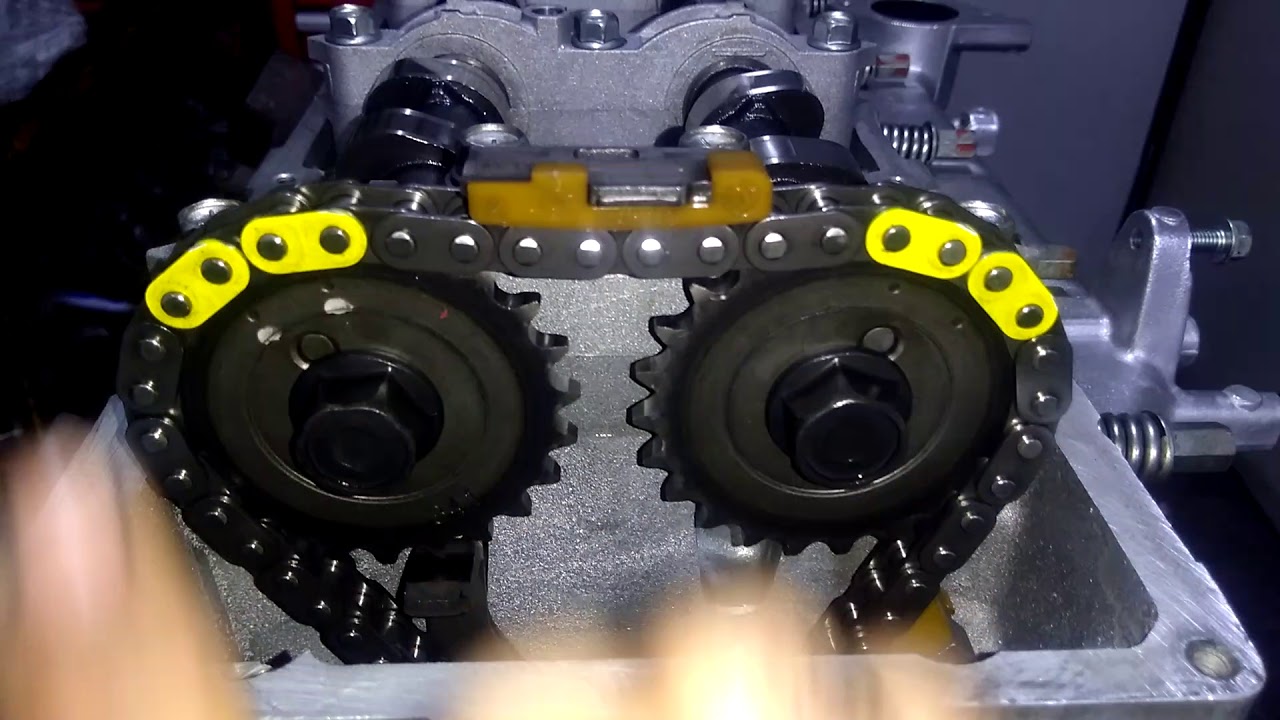


Mitsubishi Diesel Engine Bets on Iron Block, Low-End Torque, and Conservative Design to Run up to 500,000 km in SUVs and 4×4 Trucks under Severe Use.
For decades, while much of the automotive industry pursued more power, higher RPMs, and increasingly complex technologies, Mitsubishi took a different path with its diesel engines. The focus was not on performance numbers for the technical sheet, but on structural robustness, low-end torque, and the ability to survive severe use, especially off the asphalt.
This philosophy gave rise to a family of diesel engines that built a rare reputation in the market: to run hundreds of thousands of kilometers before requiring deep interventions, something increasingly uncommon in modern designs.
The Origin of Mitsubishi’s Robust Diesel Project
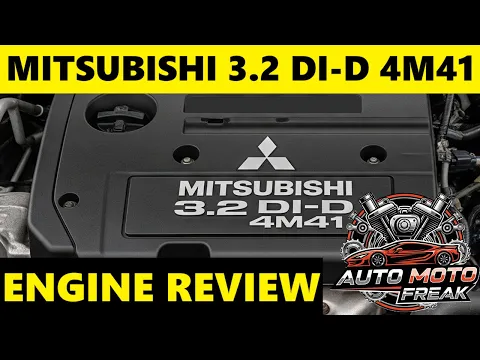
The diesel engines of the 4M family, such as the well-known 4M40 and 4M41, emerged in a very specific context. They were designed to equip large SUVs and mid-sized trucks, vehicles intended for mixed-use, with cargo, towing, long trips, and operation on uneven terrains.
-
1983 Chevrolet Runs Over 100,000 km Without Gasoline, Powered by Wood Chips, Reaches 125 km/h in Airport Test

-
Workshop Converts Giant Tractor Tire Tricycle into a Three-Wheel Drive Hybrid with 36,000-Watt Electric Motor Capable of Climbing Hills

-
Sales of Brazil’s Cheapest Electric Car Halted Before First Deliveries: E-Motors Suspends Emova Easy Due to Import Tax Increase and Rising Freight Costs

-
Nissan Discontinues Qashqai SUV Amid Cost-Cutting, Chinese Competition, and Product Line Review



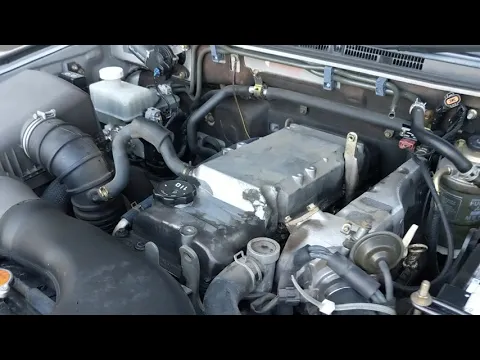

Unlike engines developed primarily for urban use, these powertrains needed to operate reliably in regions with poor roads, variable quality fuel, and maintenance that is not always rigorous. This directly influenced every engineering decision in the project.
Cast Iron Block and Design Built to Last
One of the pillars of the durability of these engines lies in the cast iron block, a heavier solution, but much more resistant to thermal and mechanical fatigue than aluminum.
Cast iron better withstands:
- extended load cycles,
- constant high temperatures,
- typical vibrations from off-road use,
- and wear over hundreds of thousands of kilometers.
This choice sacrifices weight and efficiency but delivers structural longevity, something essential in 4×4 vehicles used for work or expeditions.
Low-End Torque as an Absolute Priority
Another central point of the project is high torque at low RPMs. Instead of seeking maximum power at high revs, Mitsubishi prioritized available strength just above idle. Practically, this means:
- lower need for sudden accelerations,
- less thermal stress,
- lower average RPMs over the lifespan,
- and reduced internal wear on pistons, bearings, and the crankshaft.
This profile is ideal for towing, climbing ramps, driving on trails, and carrying loads, exactly the scenario for which these engines were designed.
Conservative Design and Low Specific Power
In engineering terms, Mitsubishi diesel engines follow a classic concept: low specific power. This means that, in relation to the volumetric displacement, they deliver fewer horsepower per liter than more modern designs.
This choice reduces:
- mean effective pressure in the cylinders,
- stress on rods and crankshaft,
- internal temperature,
- and the risk of premature failures.
It is a design that forgoes sporty performance in favor of mechanical safety margin, something increasingly rare in today’s automotive sector.
Injection System and Tolerance to Severe Use
Depending on the generation, these engines utilize mechanical injection or simpler diesel systems, especially in the older versions. This makes them less sensitive to variations in fuel and light contaminations.
In markets where diesel does not always meet rigorous standards, this tolerance makes a huge difference in durability. Less complex sensors and less pressured systems reduce the chance of electronic failures that immobilize the vehicle.
Applications in SUVs and 4×4 Trucks
These engines equipped well-known models such as Pajero, Montero, and L200, vehicles recognized precisely for their structural strength and off-road capability.
In these applications, the engine + transmission assembly was designed for:
- extended use under load,
- constant all-wheel drive,
- low speeds on difficult terrains,
- and long periods of continuous operation.
This explains why many of these vehicles remain in operation even after decades of intense use.
Real Mileage: Where the Reputation of 400,000 to 500,000 km Comes In
The reputation for durability did not arise by chance. In real use, with proper maintenance, it is common to find engines from this family exceeding 300,000 km without opening, maintaining adequate compression and regular operation.
Instances between 400,000 and 500,000 kilometers are common in road applications, moderate use, and timely preventive maintenance. Beyond that, there are records, but they fall into the category of well-maintained exceptions, not absolute rules.
Editorially, the safe statement is that these engines have proven potential to run hundreds of thousands of kilometers, something supported by practical experience, not marketing promises.
Why Engines Like This Are Becoming Increasingly Rare
The current scenario in the automotive industry is different. Pressures for emissions, energy efficiency, and cost reduction have led to:
- smaller engines,
- more turbocharging,
- higher compression ratios,
- and more complex electronics.
All of this increases efficiency but also reduces mechanical safety margins. Designs like the old Mitsubishi diesels belong to an era when durability came before extreme optimization.
Engineering Designed to Last, Not Impress
The Mitsubishi diesel engine did not become known for flashy numbers or futuristic solutions. Its reputation stems from something simpler and harder to achieve: real reliability over time.
Cast iron block, low torque, conservative design, and tolerance to severe use formed a set capable of crossing decades and hundreds of thousands of kilometers. In an increasingly complex market, this type of engineering remains a silent reference for building a lasting engine.








Tenho uma Full 2.8 ano 2001. Excelente motor.
Caixa de 6 marcha manual escapa 3ª
Tenho uma L200 2009/2010 e infelizmente não consigo concordar, pior compra da minha vida, só incomodando e já foi feito o motor, bomba, bicos e turbina com um pouco mais de 200.000 km