Portuguese
  Spanish


The Hyundai Staria Hybrid appears in Europe with 7 or 9 seats, 1.6 T-GDi engine, 54 kW electric and work van version. The model combines spacious cabin, connectivity, Hyundai Smart Sense safety, Relaxation seats, and plug-free hybrid system for families, passengers, and professional use on long trips.
Hyundai presents the Staria Hybrid in Europe as a new generation multi-purpose vehicle, aimed at both families and professional use. The model combines 7 or 9 seats, 1.6 T-GDi engine, 54 kW electric, 1.49 kWh battery, and passenger or work van versions.
According to the official Hyundai Staria Hybrid page in Europe, Hyundai’s proposal appears in the brand’s official European material in 2026, focusing on space, flexibility, comfort, and electrification without external charging. The Staria Hybrid offers family configurations and van versions with 3 or 6 seats for those who need to transport team and cargo.
A hybrid “premium Kombi” with spaceship look
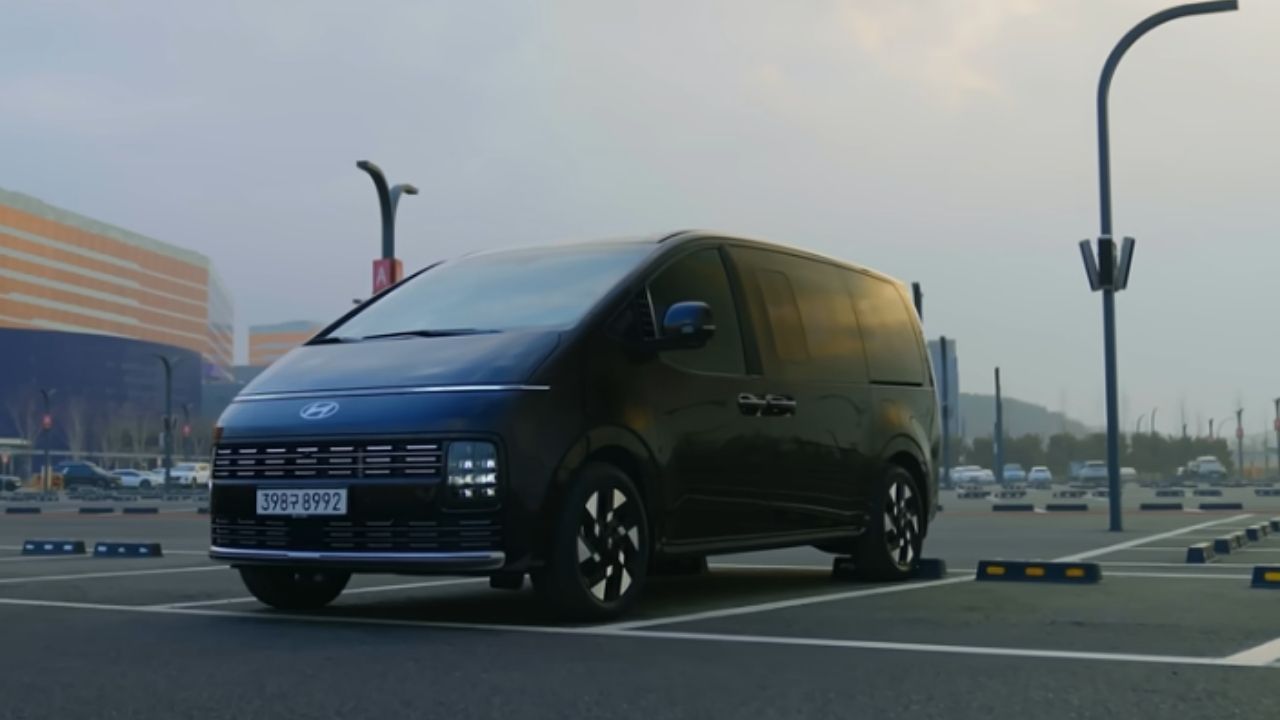
The comparison with a “premium Kombi” arises from the vehicle’s own formula: large body, spacious cabin, multiple seats, and family or professional use proposal. But Hyundai tries to take this idea to another level, with futuristic design and visual language inspired by aerodynamic lines.
-
1983 Chevrolet Runs Over 100,000 km Without Gasoline, Powered by Wood Chips, Reaches 125 km/h in Airport Test

-
Workshop Converts Giant Tractor Tire Tricycle into a Three-Wheel Drive Hybrid with 36,000-Watt Electric Motor Capable of Climbing Hills

-
Sales of Brazil’s Cheapest Electric Car Halted Before First Deliveries: E-Motors Suspends Emova Easy Due to Import Tax Increase and Rising Freight Costs

-
Nissan Discontinues Qashqai SUV Amid Cost-Cutting, Chinese Competition, and Product Line Review



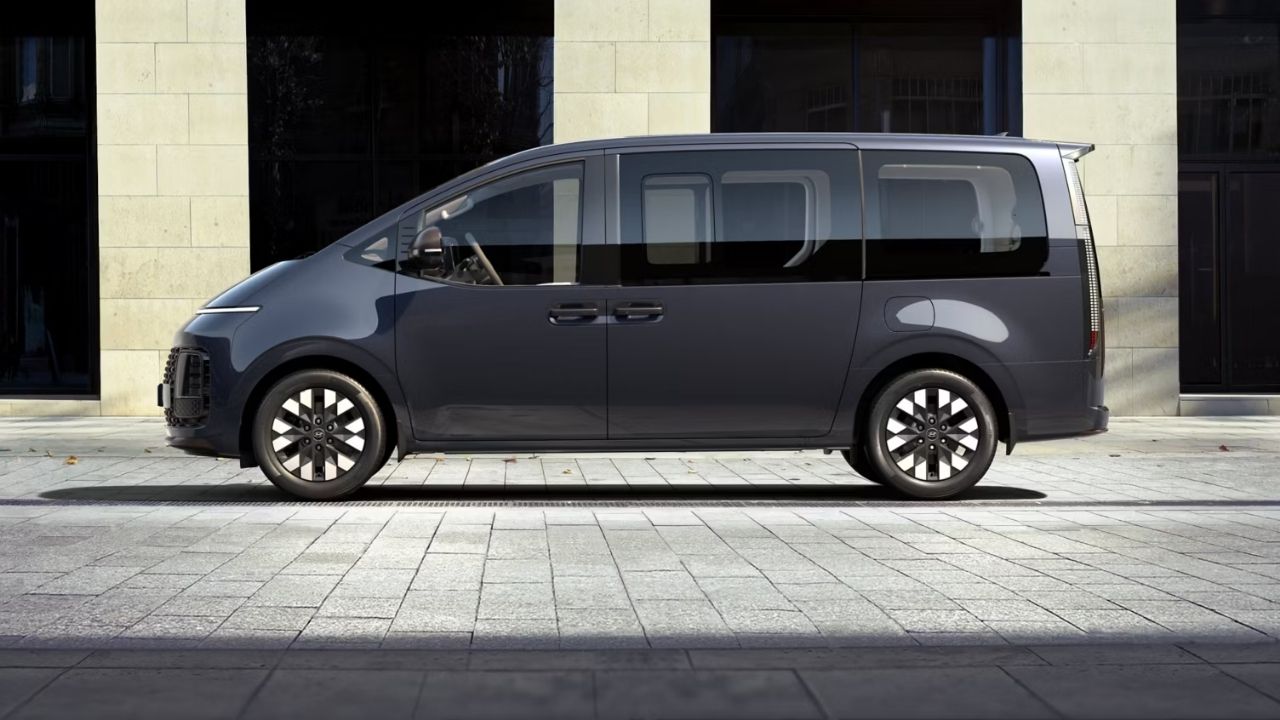
According to the brand, the exterior of the Staria Hybrid was designed to convey the feeling of a spaceship, with an elegant silhouette and simplified front. It is a type of vehicle that does not try to look like an SUV, but bets on space, visual presence, and functionality.
The result is a minivan with an unusual appearance for those accustomed to the dominance of SUVs. The Staria Hybrid does not hide its multi-purpose vehicle shape. On the contrary, it uses the high body and ample interior space as a central part of the proposal.
7 or 9-seater versions target families and executive transport
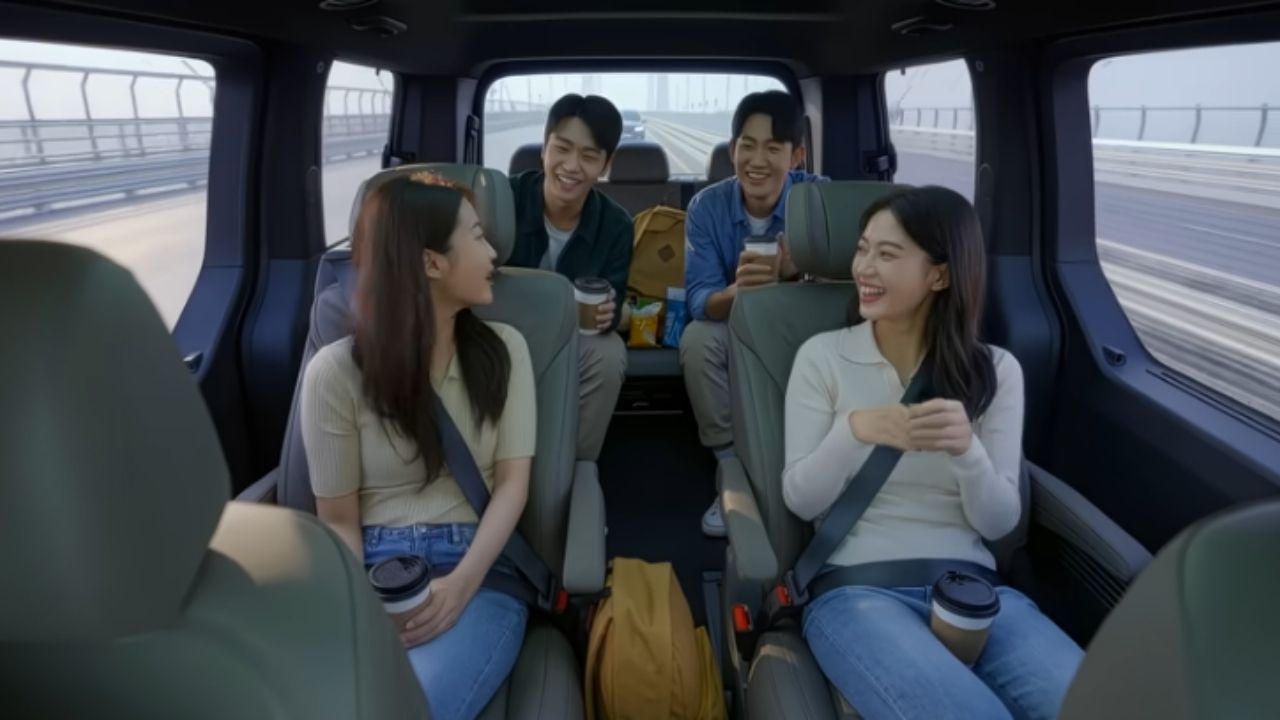
In the passenger line, the Hyundai Staria Hybrid is offered in two main configurations: 7-seater Premium and 9-seater Wagon. The first seeks a more luxurious experience, while the second prioritizes capacity for more occupants.
In the 7-seater Premium version, the highlight is the Relaxation seats in the second row. They recline and slide, creating a proposal closer to executive transport than a conventional van.
The 9-seater Staria Hybrid Wagon bets on maximizing cabin space. According to the source, this configuration offers nine seats and 1,303 liters of cargo capacity, expanding the appeal for large families, group transport, and versatile use on trips.
Spacious interior aims to transform travel into a room on wheels
The cabin is one of the central points of the proposal. Hyundai highlights that the interior was designed to offer more space, flexibility, and comfort to passengers, especially on long trips or journeys with several people on board.
The official material mentions the feeling of silence when closing the doors, the care with the seats, and the concern for comfort. The idea is to transform the vehicle into a living environment, not just a means of transport.
This concept becomes even clearer in the convenience features. Cameras and speakers help front occupants communicate with those in the back seat, something useful for families, groups, passengers, and even for monitoring pets during the journey.
Van version aims to serve work, team, and cargo
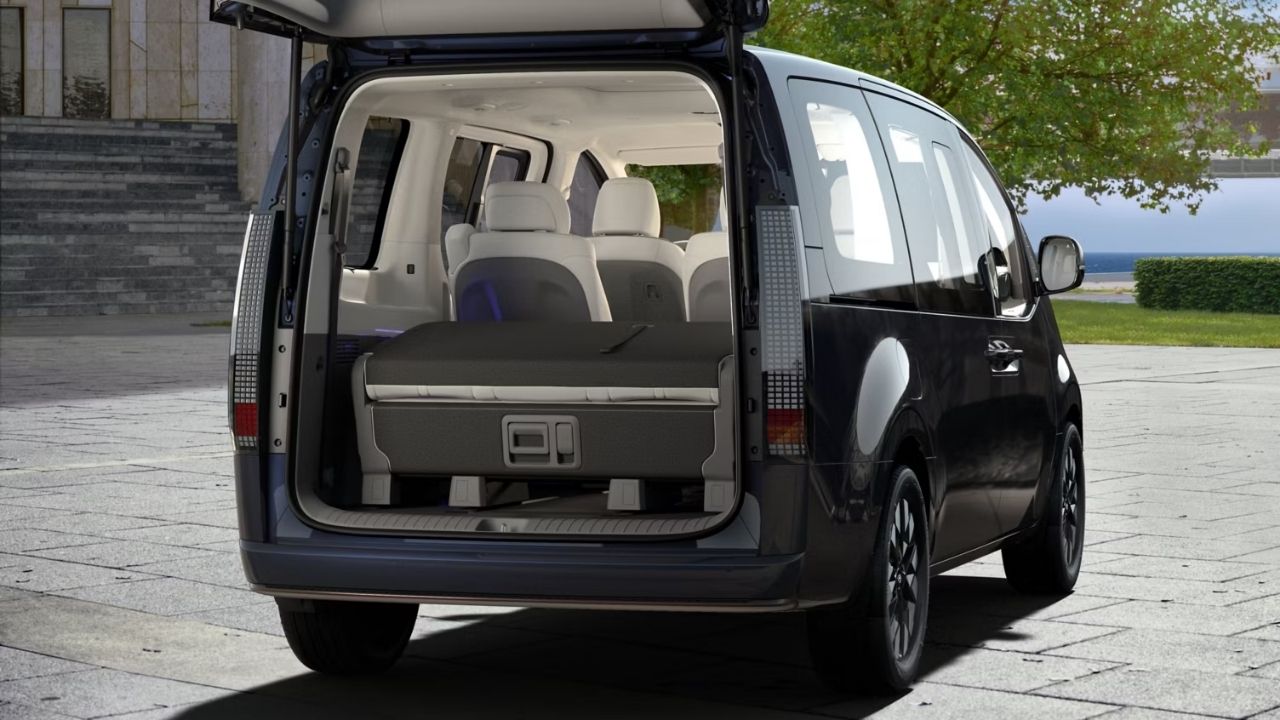
In addition to the passenger versions, the Hyundai Staria Hybrid also appears in a work van configuration. In this case, the proposal changes: instead of transporting only families or groups, the focus shifts to cargo, team, and professional routine.
The van is offered with 3 or 6 seats, always with a spacious cabin and flexible cargo area. The brand presents the version as a solution for those who need to work smarter, with a modern look and easy-to-load compartment.
This combination brings the Staria Hybrid closer to companies, service providers, and urban operations. The same base that serves passengers can also function as a work tool, with internal space and hybrid electrification.
1.6 Turbo Engine Works with 54 kW Electric
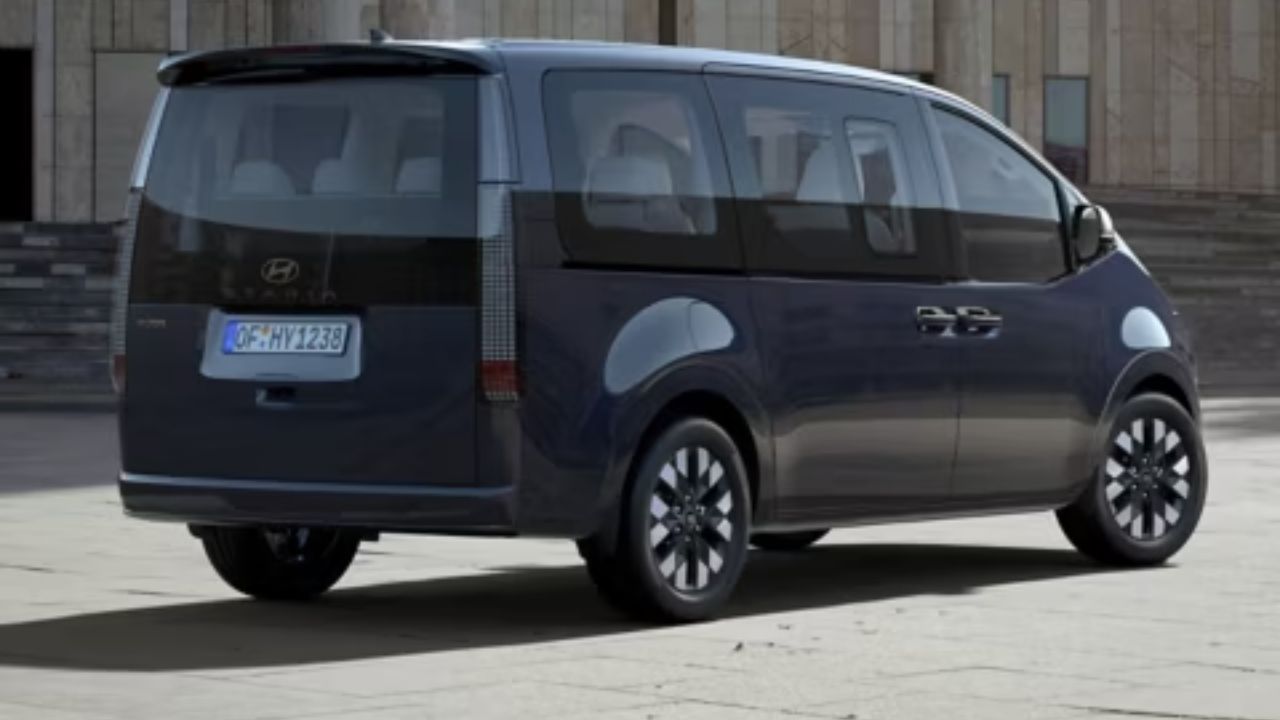
In the powertrain, the Hyundai Staria Hybrid uses a parallel hybrid system. It combines a 1.6 T-GDi gasoline engine with a 54 kW electric motor, powered by a 1.49 kWh lithium-ion polymer battery.
The brand claims that the electric motor adds electric response to the vehicle’s acceleration and performance. Meanwhile, the 1.6 T-GDi engine uses Continuous Variable Valve Duration technology, aimed at optimizing performance and fuel efficiency.
The important point is that the system does not require external recharging. The battery is powered by regenerative braking, allowing the use of electric support without relying on a plug or changes in driving habits.
Plugless Hybrid Aims for Efficiency Without Complication
The Staria Hybrid is not presented as a pure electric nor as a plug-in hybrid. Hyundai’s proposal is to deliver more efficient driving with a conventional hybrid system, which recovers energy during braking and uses this electricity to assist the engine.
This can be relevant for those who want to reduce consumption without dealing with charging infrastructure. Electrification comes as support for daily use, not as a requirement for planning with plugs.
For a large vehicle, with 7 or 9 seats, this logic makes sense within the family mobility proposal. The brand tries to combine space, comfort, and efficiency without making use more complex for the driver.
Technology and Connectivity Reinforce the Premium Appeal
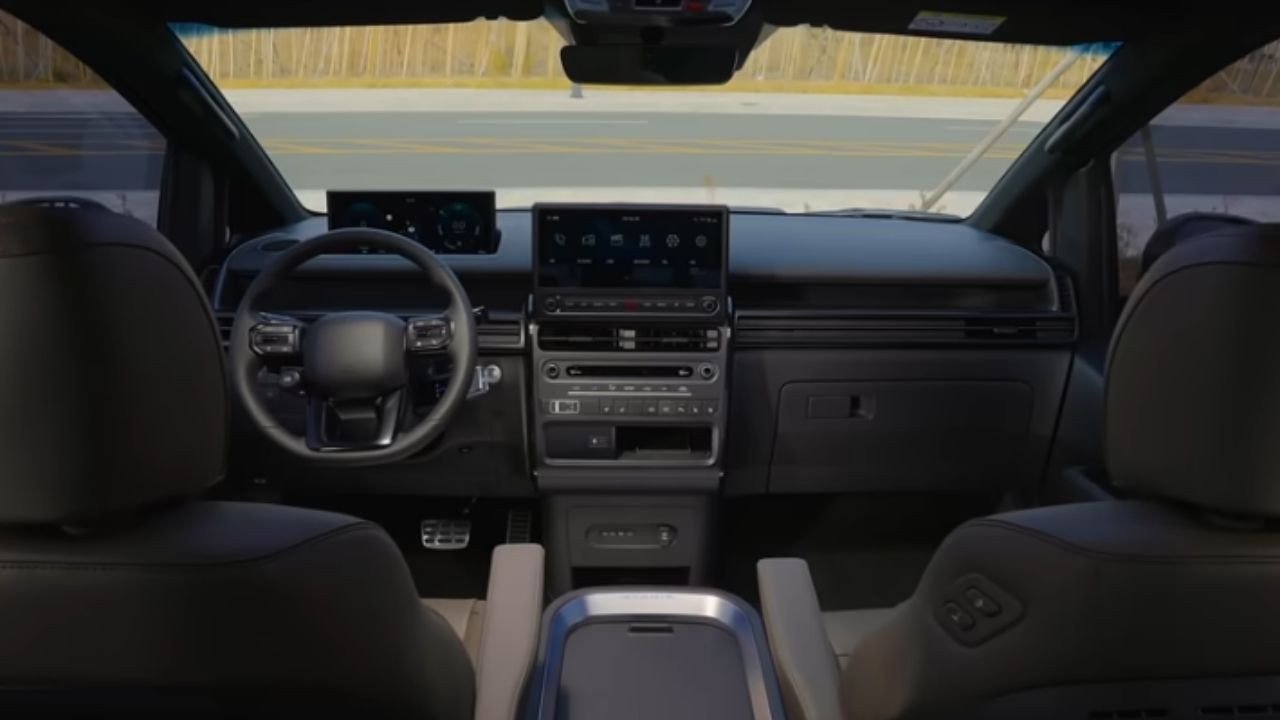
Hyundai also highlights connectivity features in the Staria Hybrid. The list includes wireless charging for smartphones, USB-C ports at the front and rear, a 10.25-inch digital instrument panel, and a touchscreen.
These items help position the vehicle above the traditional van. Instead of just being large, the Staria Hybrid tries to appear modern, connected, and comfortable for all occupants.
The package aligns with the idea of a contemporary family car. Children, adults, work passengers, and drivers spend more time connected, charging devices, and using screens, making the internal experience as important as mechanical performance.
Hyundai Smart Sense Safety Enters as a Central Argument
In terms of safety, Hyundai states that the Staria Hybrid is equipped with Hyundai Smart Sense, a set of advanced driver assistance systems. The aim is to increase peace of mind in a large vehicle designed for transporting several people.
Among the mentioned features are the Forward Collision-Avoidance Assist, known as FCA, and the Blind-Spot Collision-Avoidance Assist, or BCA. These systems help reduce risks in maneuvers, urban travel, and trips.
For a vehicle with 7 or 9 seats, safety weighs even more in the decision. The Staria Hybrid tries to convince not only by space but also by the protection of families, teams, and passengers.
Warranty Appears as a Confidence Booster
The source also highlights a 3-year unlimited mileage warranty, noting that conditions may vary depending on the country of sale. As with other Hyundai models, the promise is to reinforce the perception of quality and peace of mind for the European consumer.
This point is important because multi-purpose vehicles tend to face intense use. Large families, companies, passenger transport, and professional activities may drive much more than a common domestic use car.
By highlighting unlimited mileage warranty, the brand tries to reduce the insecurity of those who depend on the vehicle daily. Even so, the source itself emphasizes that the terms vary according to the market and should be checked with authorized dealerships.
Why this type of vehicle draws attention in Brazil


Even being presented in the European context, the Hyundai Staria Hybrid draws attention because Brazil has an emotional and practical memory with spacious vehicles, family vans, and mixed-use models. The association with a “premium Kombi” comes precisely from this mix between people transport, work, and versatility.
The difference is that the Staria Hybrid takes this idea to a more technological phase. It does not bet on extreme simplicity, but on futuristic design, refined cabin, hybrid system, connectivity, and driver assistance.
The inevitable question is whether the Brazilian consumer would accept a large minivan in an era dominated by SUVs. For families, hotels, companies, and executive transport, the proposal seems logical. For the mass market, it would depend on price, availability, and positioning.
Van space, car comfort, and hybrid proposal
The Hyundai Staria Hybrid shows that there is still room for family and professional vehicles outside the traditional SUV formula. With versions of 7 or 9 seats, van option of 3 or 6 seats, 1.6 T-GDi engine, 54 kW electric motor, and 1.49 kWh battery, the model bets on versatility.
The set tries to unite comfort, technology, efficiency, and transport capacity in a large, futuristic, and functional format. The Staria Hybrid does not try to hide that it is a multi-purpose vehicle; it turns exactly that into an argument.
Do you think a hybrid “premium Kombi” from Hyundai would be successful in Brazil, or is the market already dominated by SUVs? Would having 7 or 9 seats, a spacious cabin, and a work version be enough to catch your attention? Share your opinion.