






 Portuguese
  Spanish
  5 min of reading
  0 comments


Benefit approved in the Chamber committee targets mothers of multiples and may reduce the cost of larger vehicles, but the proposal still needs to advance in other stages before becoming law and affecting the purchase of seven-seater cars.
The Women’s Rights Defense Committee of the Chamber of Deputies approved, last Thursday (11), Bill 895/25, which provides for exemption from the Tax on Industrialized Products (IPI) on the purchase of seven-seater cars by women who are mothers of multiples.
Focused on families with three or more children born from the same pregnancy, the proposal is still under review in the Chamber and does not yet have an immediate effect on vehicle purchases.
Authored by Deputy Zé Neto (PT-BA), the project seeks to include this group among the beneficiaries of Law 8.989/95, a regulation that already governs the IPI exemption on car purchases in specific situations.
-
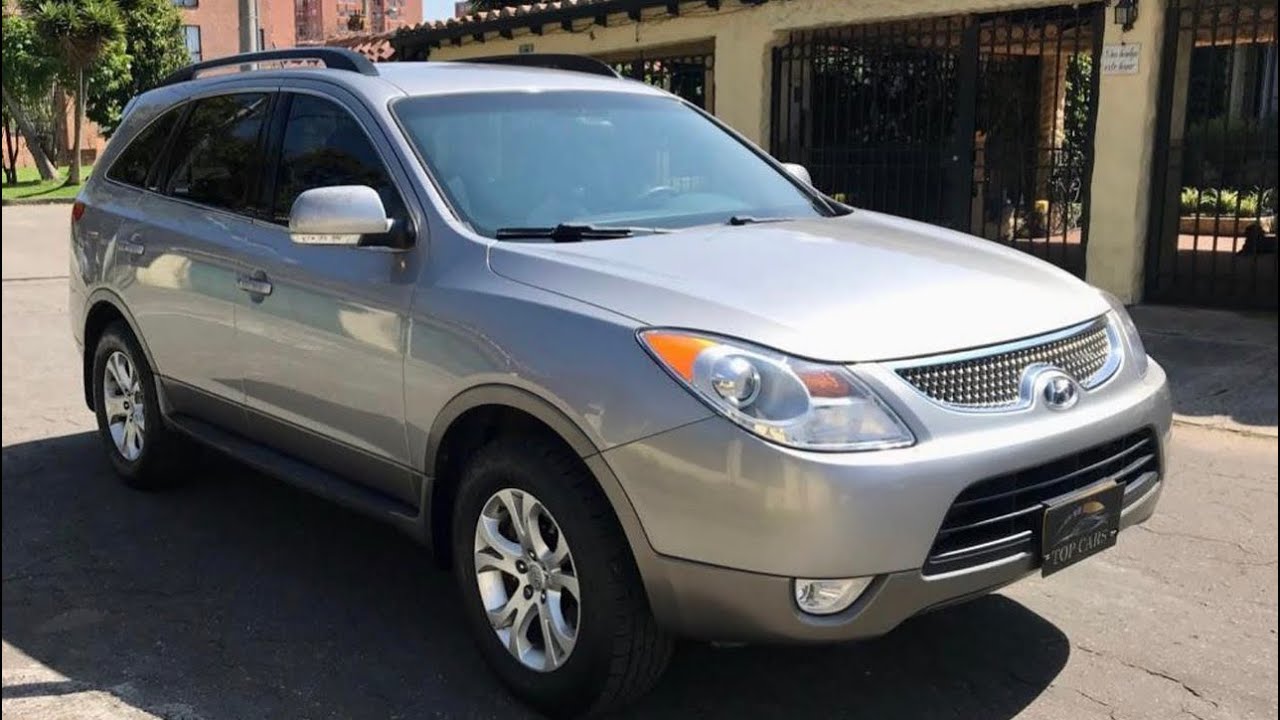
7-seater SUV has become an alternative for those who need space without spending much, combining a 260 hp V6 engine, automatic transmission, and the size of a large utility vehicle for less than R$ 80,000: meet the 2012 Hyundai Veracruz.

-
Renault Duster with a 160 hp hybrid engine, 518 liters of trunk space, and 21.2 cm of ground clearance may stay out of Brazil; brand boss’s response surprises

-
With a range of up to 350 km, the new Citroën ë-C4 arrives with a 136 hp engine, a 50 kWh battery, 20 driving assistants, accelerates from 0 to 100 km/h in 9.7 seconds, and surprises with unprecedented technology on the dashboard.
-
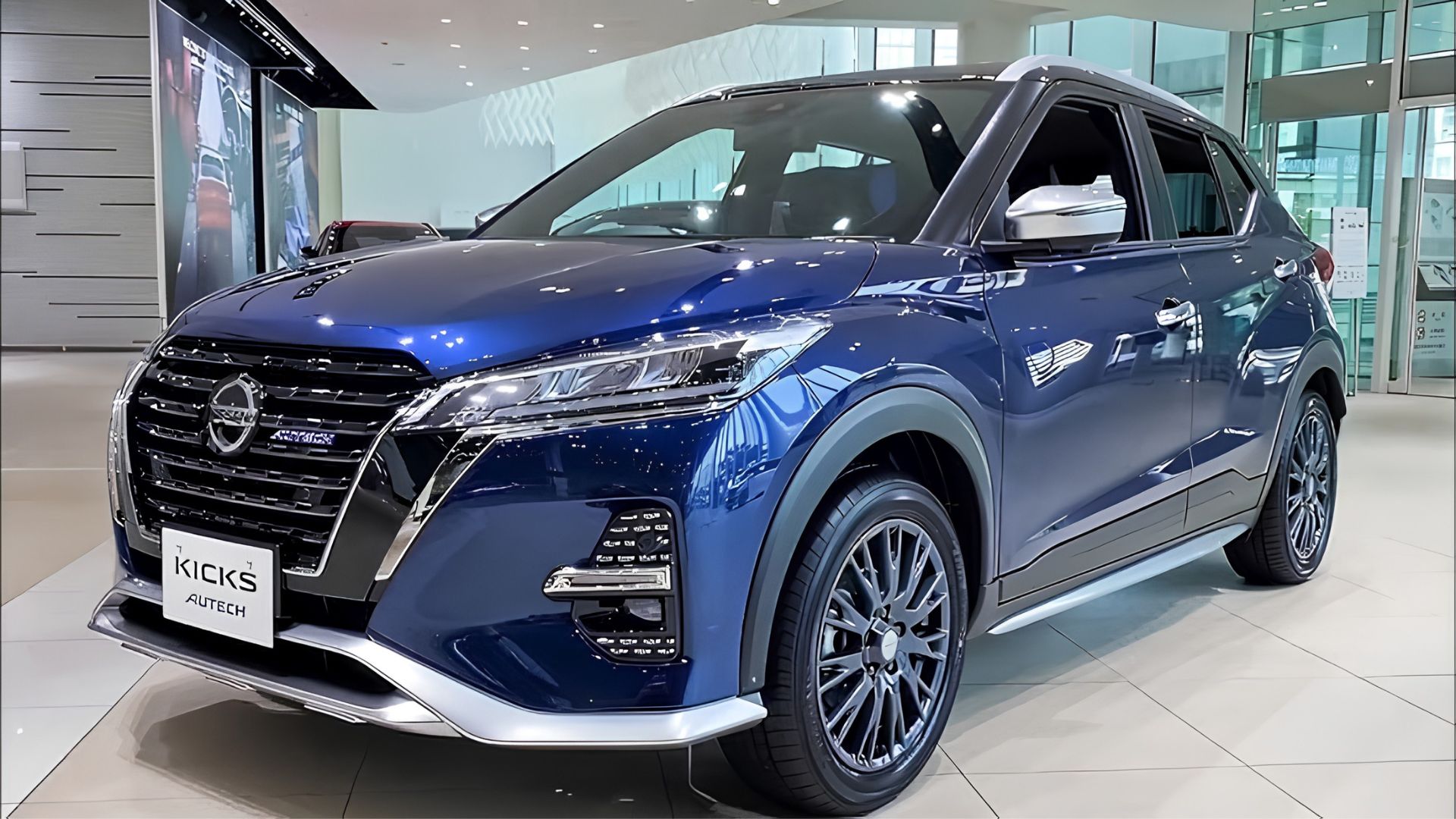
“Japanese Kicks with electric four-wheel drive” uses the e-POWER 4WD system, priced at approximately R$ 97,500 without taxes, and a technology not available in SUVs sold in Brazil: meet the Nissan Kicks e-POWER 4WD in Japan.


According to the text under consideration, the benefit would apply to mothers of multiples who need to purchase vehicles with seven seats, a measure associated with the transportation needs of larger families.
Reporter of the matter in the Women’s Rights Defense Committee, Deputy Juliana Cardoso (PT-SP) recommended approval and argued that the measure could contribute to social inclusion and the exercise of fundamental rights.
In the evaluation presented during the project’s analysis, the need for adequate transportation for families with three or more children born from multiple pregnancies justifies the creation of a specific exemption scenario.
IPI Exemption for Mothers of Multiples
PL 895/25 targets women who are mothers of multiples, a term used in cases like triplets, quadruplets, or more children born from the same pregnancy, as described in the proposal.
By establishing the cutoff at three children, the proposal links the benefit to the need for larger vehicles, as conventional cars may not meet the transportation routine of these families.
In practice, the project targets mothers who face difficulty transporting all their children in a single car, especially for trips related to school, health, leisure, and other daily commitments.
According to the author’s justification, many families cannot afford seven-seater models due to the price, even though this type of vehicle may be necessary to accommodate the family composition.
In addition to the cost of the automobile, the simultaneous birth of three, four, five, or more children increases permanent expenses, which reinforces the argument used to advocate for the reduction of the tax burden on purchases.
In this scenario, the IPI exemption appears as an attempt to reduce a specific economic barrier, without automatically transforming the benefit into a right while the legislative process is not concluded.
Change in Law 8.989/95
The proposal amends Article 1 of Law 8.989, of February 24, 1995, to include women who are mothers of multiple children among the groups authorized to purchase automobiles with IPI exemption.
Within this new hypothesis, the text presented in the Chamber mentions seven-seater vehicles, maintaining the focus on models capable of accommodating families with three or more children born from the same pregnancy.
Currently, Law 8.989/95 already provides for tax exemption for taxi drivers and for people with physical, visual, auditory, severe or profound mental disabilities, within the conditions established by the legislation.
People with autism spectrum disorder are also included, either directly or through a legal representative, according to the applicable rules for acquiring vehicles with the tax benefit provided in the regulation.
Despite approval in a committee, the project still does not authorize mothers of multiples to purchase vehicles with exemption, because the proposal needs to complete the next stages in the National Congress.
Only after final approval and conversion into law can the measure produce practical effects, including application rules and any administrative procedures for accessing the benefit.
Processing of PL 895/25 in the Chamber
After passing through the Women’s Rights Defense Committee, PL 895/25 will proceed to analysis by the Finance and Taxation Committee and the Constitution, Justice, and Citizenship Committee.
The Chamber’s processing record indicates that the proposal is subject to conclusive consideration by the committees, a mechanism that can dispense with a plenary vote if there is no parliamentary appeal.
Even with this procedure, the matter still needs to fulfill formal stages within the Chamber and, subsequently, will also depend on approval in the Federal Senate to advance to sanctioning.
In the Finance and Taxation Committee, the discussion tends to consider the fiscal impact of the measure, as the expansion of the IPI exemption represents a tax waiver for a new group of beneficiaries.
After this analysis, it will be up to the Constitution, Justice, and Citizenship Committee to evaluate aspects such as constitutionality, legality, and legislative technique before the proposal proceeds in the planned processing.
Seven-seater vehicle for larger families
When defending the project, Deputy Zé Neto stated that many mothers need to transport their children for essential activities but cannot acquire this type of automobile due to the price.
“Many mothers need to transport their children to school, the doctor, or any other activity, but they cannot acquire this type of vehicle due to the price,” said the parliamentarian.
The statement reinforces the central argument of the proposal, which associates tax exemption with the attempt to reduce the cost of access to a suitable vehicle for families with multiple children.
In the justification attached to the project, the author also states that the current legislation does not provide a specific rule for IPI exemption for mothers of multiples, despite the specific needs of this group.
For this reason, PL 895/25 proposes to insert the new hypothesis in the same law that already regulates similar benefits in the purchase of automobiles, preserving the treatment through legislative amendment.
Steps before becoming law
Presented on March 11, 2025, and forwarded to the committees on April 9, 2025, the proposal is still under review in the Chamber of Deputies.
Approval in the Women’s Rights Defense Committee represents progress within the process, but it does not conclude the necessary process for the benefit to be incorporated into the legislation.
If it receives a favorable opinion in the next committees and is not taken to the plenary by appeal, the project may proceed to the Senate, where it will undergo new parliamentary analysis.
If the senators approve the text without changes, the matter may advance for sanction; if there are changes, the proposal returns to the Chamber for a new evaluation by the deputies.
Until all these steps are completed, mothers of multiples still do not have the IPI exemption provided for in PL 895/25 for the purchase of seven-seater automobiles.
The benefit remains a legislative proposal under consideration, without immediate application for consumers and without effective change in the current rules for purchasing vehicles with tax exemption.






Be the first to react!