Portuguese
  Spanish


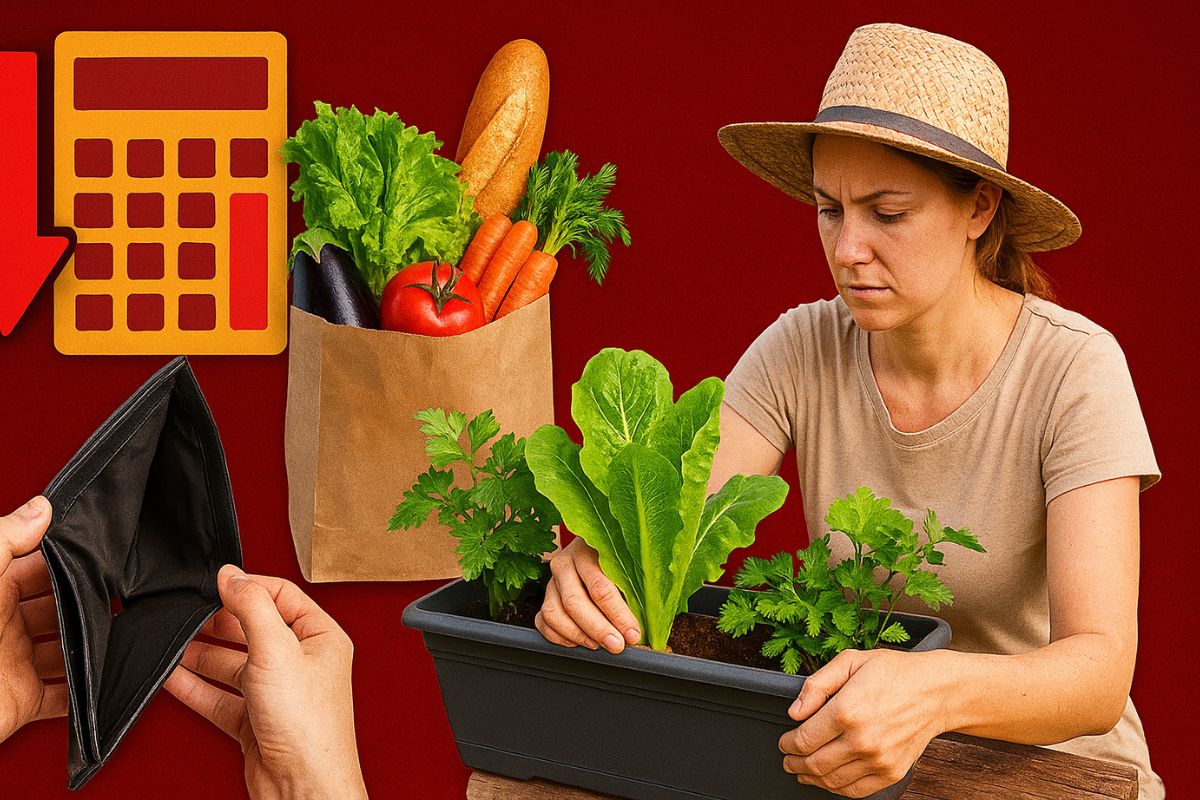


Setting Up A Home Garden Helps Reduce Expenses And Improves Food Quality Without Leaving Home
The best way to save money and eat better starts on your balcony, especially with the adoption of a home garden. In a scenario of high supermarket prices and growing health concerns, cultivating your own herbs and vegetables has become a viable solution for many Brazilian families.
In addition to ensuring fresh and pesticide-free food, the home garden reduces monthly food costs and promotes more autonomy for those living in big cities or small spaces. With a few pots and a little sunlight, any balcony can become a source of savings and well-being.
Home Garden Becomes An Ally Against Rising Prices
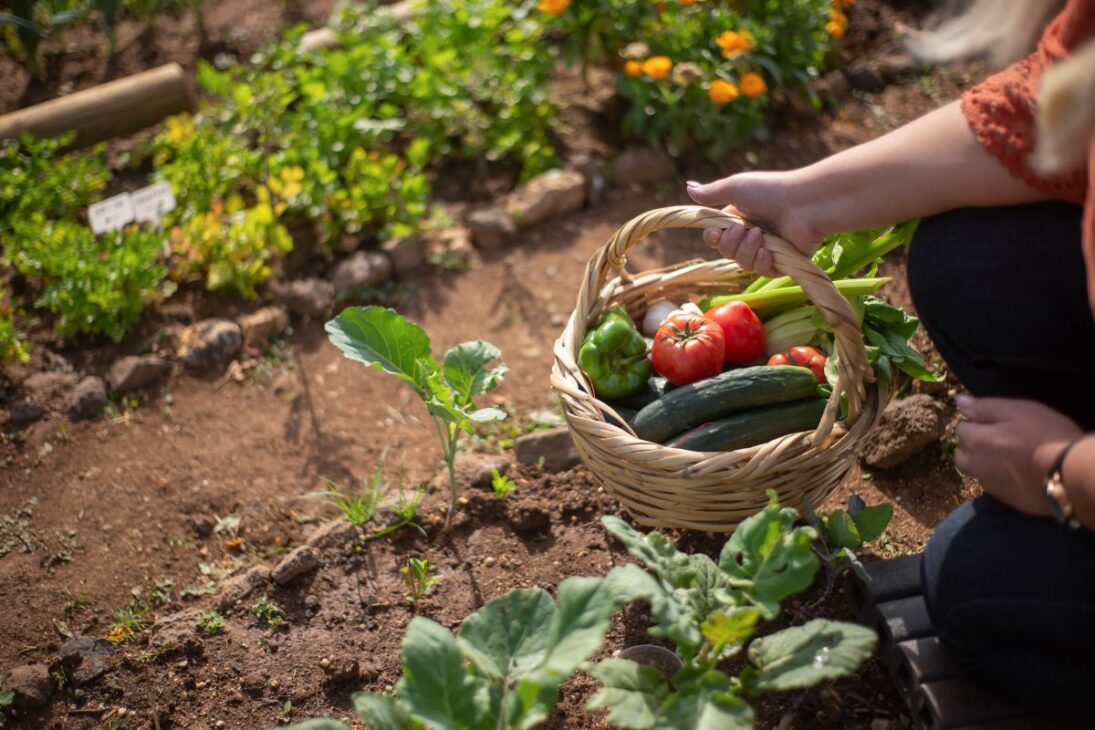
The habit of maintaining a home garden has strengthened in recent years, driven by rising food inflation and the search for more natural options. Herbs such as parsley, scallions, mint, and basil are among the favorites to start with, as they grow quickly, take up little space, and are widely used in daily cooking.
-
Brazilian Airport to Receive $2.8 Million Investment, Completion Expected Within a Year

-
UN Warns of AI’s Environmental Impact and Calls for Greater Corporate Transparency

-
Former Atacadão Employee Turns Online Cake-Baking Lessons into a Confectionery Brand with Factory, Store, Delivery, and Nearly $400,000 in Revenue
-
Brazilian Startup Sells Nearly 9 Million Surprise Bags of Near-Expiry Food, Prevents Thousands of Tons of Waste, Aiming for $42 Million Revenue by 2026




In addition to the nutritional gain, this cultivation generates real savings. According to surveys by Embrapa and urban agriculture specialists, a simple garden can reduce the spending on produce by up to 30% in households that consume these items frequently.
Savings And Health Within Everyone’s Reach
The costs to set up a home garden are low. With less than R$ 100, it is possible to acquire pots, seeds, and substrate to start cultivation. In a few months, the returns appear in the form of reduced market dependency and always fresh food.
Another important benefit is the quality of what is consumed. Without the use of pesticides and with immediate harvesting, the food retains more flavor and nutritional value, contributing to a balanced diet. Moreover, contact with the soil and plants improves well-being and reduces stress, according to studies from the Psychology Institute of USP.
How To Set Up A Garden Even In Small Spaces
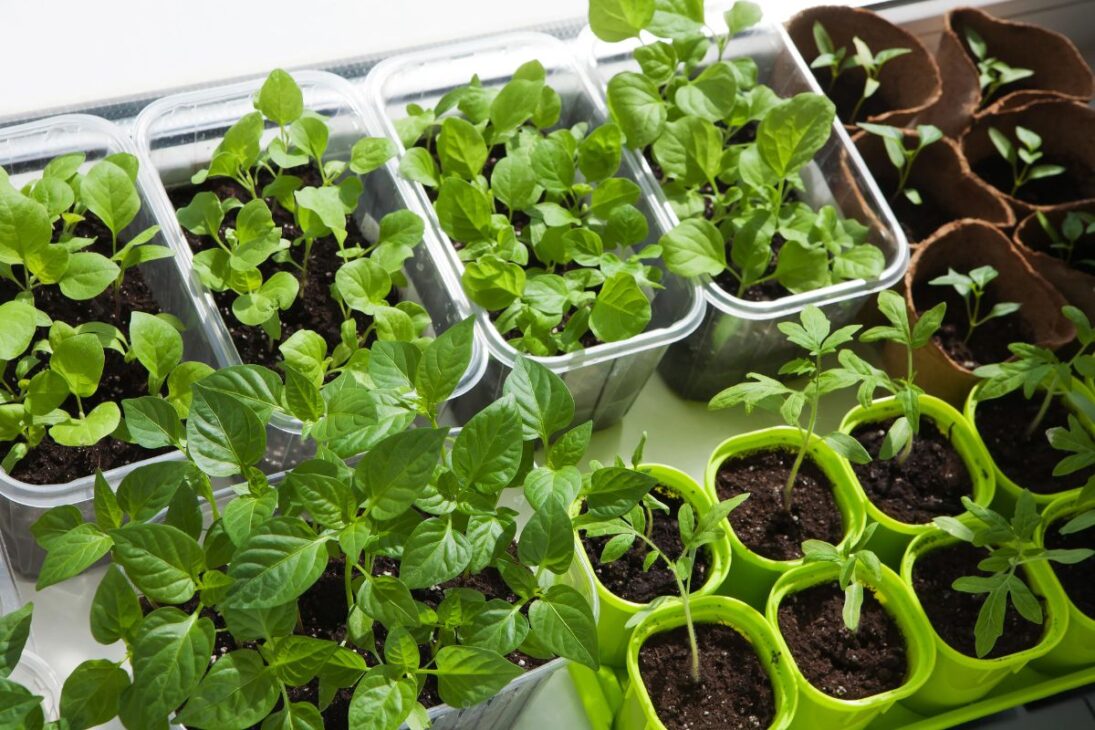
To start a home garden, it is essential to choose a location with good lighting, preferably with direct sunlight for at least 4 hours a day. Balconies, windows, and even service areas are viable environments.
Among the good practices are:
- Using pots or recycled bottles with holes for drainage
- Choosing species like rosemary, oregano, and cilantro, which adapt well
- Composting with kitchen waste to fertilize
- Reusing wash water from fruits to water the plants
With planning, even a small balcony can produce food and generate savings.
Home Garden Transforms Habits And Encourages Sustainability
Much more than just savings, the home garden creates a more conscious relationship with consumption and the environment. Home cultivation reduces carbon emissions associated with food transportation and decreases the use of plastic packaging.
This movement is gaining strength among young people, families, and the elderly who seek cleaner food and a purpose-driven routine. Public initiatives, such as urban garden programs in capitals like São Paulo and Curitiba, show that home cultivation is a growing and viable trend.
Have you ever thought about setting up a home garden? What would be the first herb or vegetable you would cultivate on your balcony?