Portuguese
  Spanish


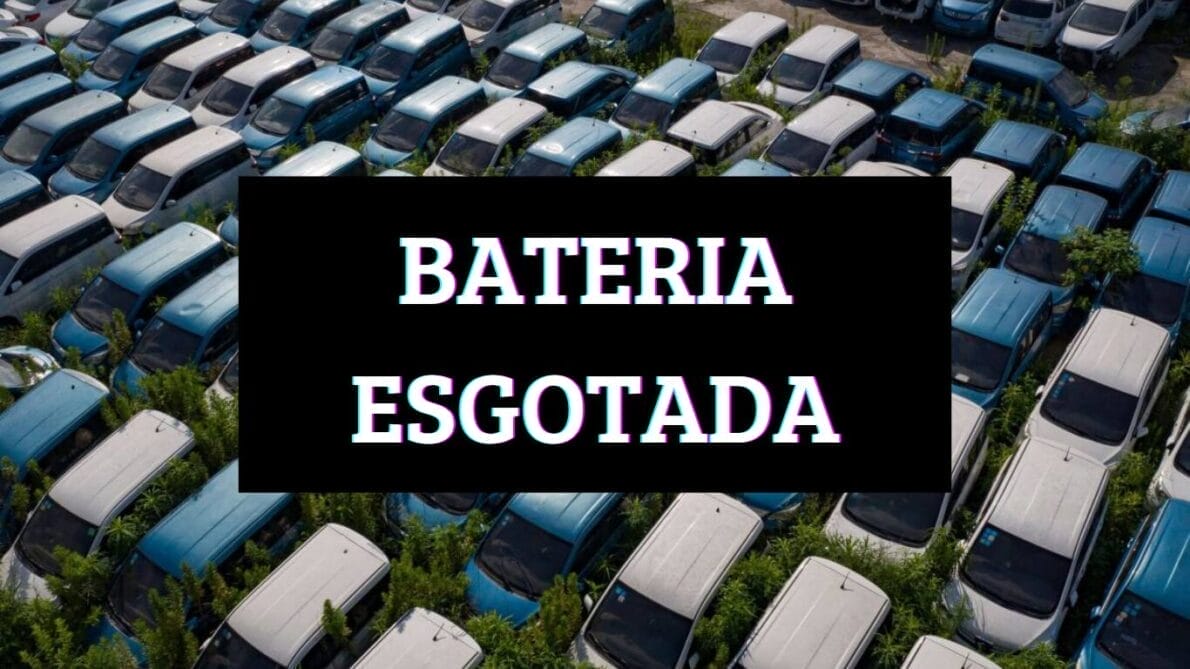

Lack Of Infrastructure And High Costs Are The Main Factors That Lead Electric Car Owners To Reconsider Internal Combustion Engines!
According To Vrum, The Excitement About Electric Cars Seems To Be Cooling. A Recent Survey Revealed That Nearly 40% Of Electric Vehicle Owners In The United States Are Considering Switching Back To Combustion Models. Although Electric Cars Are A More Sustainable Option, The Challenges Associated With Ownership Are Leading Many To Reconsider Their Choices.
According To The Survey, Which Consulted Over 30 Thousand Consumers In 15 Countries, Including The USA, 29% Of Electric Vehicle Owners Worldwide Are Considering Returning To Gasoline Cars, With This Number Rising To 46% In The United States.
Public Charging Infrastructure: A Considerable Obstacle
The Main Reason Cited By Owners Is The Insufficient Public Charging Infrastructure. In The United States, The Implementation Of A Robust Charging Network For Electric Vehicles Has Been Slow. Since The Creation Of The National Electric Vehicle Infrastructure Program Two Years Ago, Only Eight Stations Have Been Put Into Operation. By The End Of May, Only 23 States Had Started Distributing Funding From The Federal $5 Billion Program.
-
Thinking of Installing LED Headlights? Why Replacing Halogen Bulbs is Still Banned, the Glare Risks Authorities Worry About, and How a New Proposal Could Allow Certified, Safe Installations

-
2027 Toyota Corolla Cross Unveiled: New Design, Enhanced Fuel Efficiency, Reduced Maintenance Costs, Advanced Technology, Connected Services, and Up to 10-Year Warranty

-
Fiat Cronos Precision 2018: Affordable Sedan with Spacious Trunk and Reliable Maintenance
-
Volkswagen to Cut Production by 1 Million Cars by 2030, Reducing Jobs and Platforms, Focusing on More Profitable Models




Moreover, While Fossil Fuel Stations Are Easily Locatable With Road Signage, Electric Car Charging Points Often Remain Hidden And Out Of View For Drivers. This Makes The Visibility And Accessibility Of Charging Stations A Critical Issue.
High Costs And Impact On Long-Distance Travel
The High Ownership Costs And The Negative Impact On Long-Distance Travel Have Also Been Cited As Reasons For Reconsideration. Maintaining An Electric Car Can Be Expensive, Especially When The Charging Infrastructure Is Not Well Developed. “It’s A Constant Dilemma“, Said The Owner Of A Hyundai Ioniq 5. “I Love The Car, But Finding A Charging Point When I’m Traveling Is A Nightmare.”
This Is Not A Difficulty Exclusive To The United States. The Survey Conducted By McKinsey & Co Indicated That Only 9% Of Respondents Worldwide Believe That The Increase In Public Charging Infrastructure Is Sufficient For Their Needs. This Shows That The Next Generation Of Electric Vehicle Buyers, Who Will Rely Even More On The Public Charging Network, May Face Significant Challenges If The Infrastructure Does Not Keep Up With Demand.
The Global Perspective And Hybrid Alternatives
Although The Survey Also Revealed That 21% Of Global Respondents Never Wish To Switch To An Electric Car, With Some Citing The Same Concerns Regarding The Delay In Charging Points. However, The Demand For Hybrid And Electric Cars Is Still Growing, Though Slowly. Among Combustion Vehicle Owners, 38% Anticipate That Their Next Car Will Be A Plug-In Hybrid Or Fully Electric, A Slight Increase From The 37% Recorded In 2022.
Brands Such As Hyundai And BYD Are Standing Out With Models That Promise Greater Range And Efficiency. The Hyundai Ioniq 6 And The BYD Dolphin Mini Are Examples Of Electric Cars That Have Attracted Attention, But The Viability Of Their Ownership Still Relies Heavily On Adequate Supporting Infrastructure.
An Uncertain Future For Electric Cars
Despite The Growth Of The Electric Car Market, Challenges Persist. However, Insufficient Infrastructure, High Costs, And Difficulties In Long-Distance Travel Are Leading Many To Reconsider Combustion Models. Nevertheless, With The Advancement Of Technologies And The Gradual Increase In Charging Infrastructure, The Hope Is That More Consumers Can Transition To Electric Vehicles In The Future.
Therefore, For Brands, The Challenge Will Be To Continue Innovating And Providing Solutions That Make Electric Cars A Viable And Convenient Choice For Everyone. Until Then, The Road To Complete Electrification Of Transportation Still Has Many Obstacles To Overcome.