






 Portuguese
  Spanish


Light, Economical Scooter With Affordable Price Draws Attention in Japan for Low Consumption, Compact Design, and Practicality in Urban Day-to-Day, Reinforcing the Global Trend of Accessible and Sustainable Transportation.
Yamaha launched in Japan, in March 2025, the scooter JOG 125, an urban model focused on low consumption and daily use.
With a promise of up to 51.9 km/l, a price close to US$ 1,800, and a weight of 95 kg, the novelty targets those looking for practical and economical mobility.
The package includes a single-cylinder engine of 124 cc, a power of 8.3 hp, and 1.00 kgfm of torque, along with a 4-liter tank and UBS braking system. There is no official announcement of arrival in Brazil.
-
Brazil’s Lula Government Allocates $463 Million Quota for Electric Car Parts, Waives Import Tax Until December, Sparking Competition Among BYD, Automakers, and Unions as Consumers Question Impact on Prices and Local Industry

-
Thinking of Installing LED Headlights? Why Replacing Halogen Bulbs is Still Banned, the Glare Risks Authorities Worry About, and How a New Proposal Could Allow Certified, Safe Installations

-
2027 Toyota Corolla Cross Unveiled: New Design, Enhanced Fuel Efficiency, Reduced Maintenance Costs, Advanced Technology, Connected Services, and Up to 10-Year Warranty
-
Fiat Cronos Precision 2018: Affordable Sedan with Spacious Trunk and Reliable Maintenance



Launch in Japan and Urban Proposal
Presented to the Japanese public as an affordable option, the JOG 125 is designed for short to medium trips in cities.
Yamaha positions the model as an alternative for those looking for reduced cost per kilometer without giving up agility in traffic.
The proposal relies on a lightweight package with compact dimensions, which facilitates maneuvers in narrow streets and parking lots.
Performance and Consumption
The 124 cc engine delivers 8.3 hp and 1.00 kgfm, numbers sufficient for urban commuting and typical accelerations of daily traffic.
The brand reports consumption of up to 51.9 km/l, a figure that places the scooter among the most economical in the segment.
In conjunction with the 4-liter tank, the autonomy exceeds 200 km per refueling, reducing trips to the gas station and costs of use.
Weight, Handling, and Driving
Weighing only 95 kg, the JOG 125 favors the driving of both new and experienced riders. The weight/power ratio prioritizes smooth accelerations and easy control at low speeds.
At traffic lights and turns, the lightness contributes to quick directional changes and balance during low-speed maneuvers, especially useful in congested streets.
Safety and Braking
The UBS system distributes braking force between the wheels when the rear brake is engaged, helping to stabilize the scooter during firmer stops.
The proposal is to deliver predictable responses for urban use, where the need to brake quickly is constant.
This feature combines with the low weight and reduced center of gravity to provide more control to the rider.
Practicality and Space
The under-seat compartment has 21.3 liters, a volume that accommodates a full-face helmet (depending on the shape) and personal items for daily use.
There’s still enough space for items like a raincoat, gloves, or small purchases, which enhances utility in urban routines.
The set of fairings is designed to protect the legs from splashes and wind during short trips.
Colors and Visual
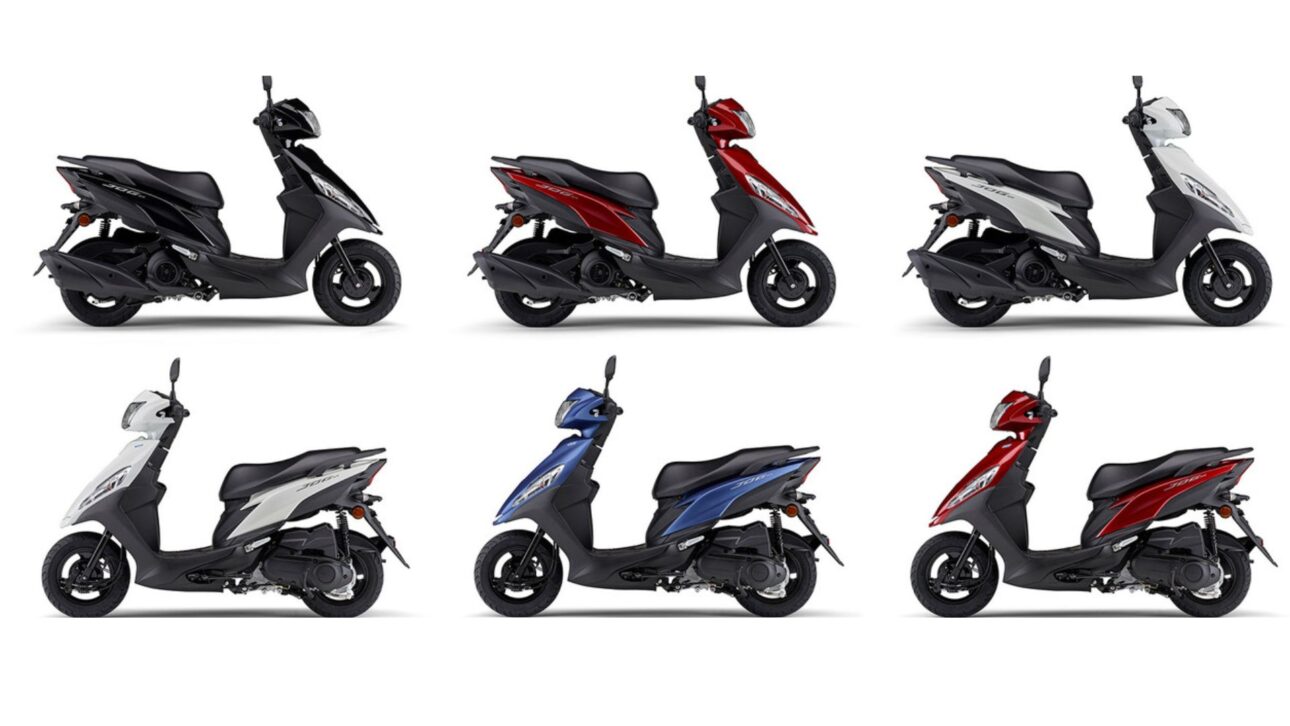
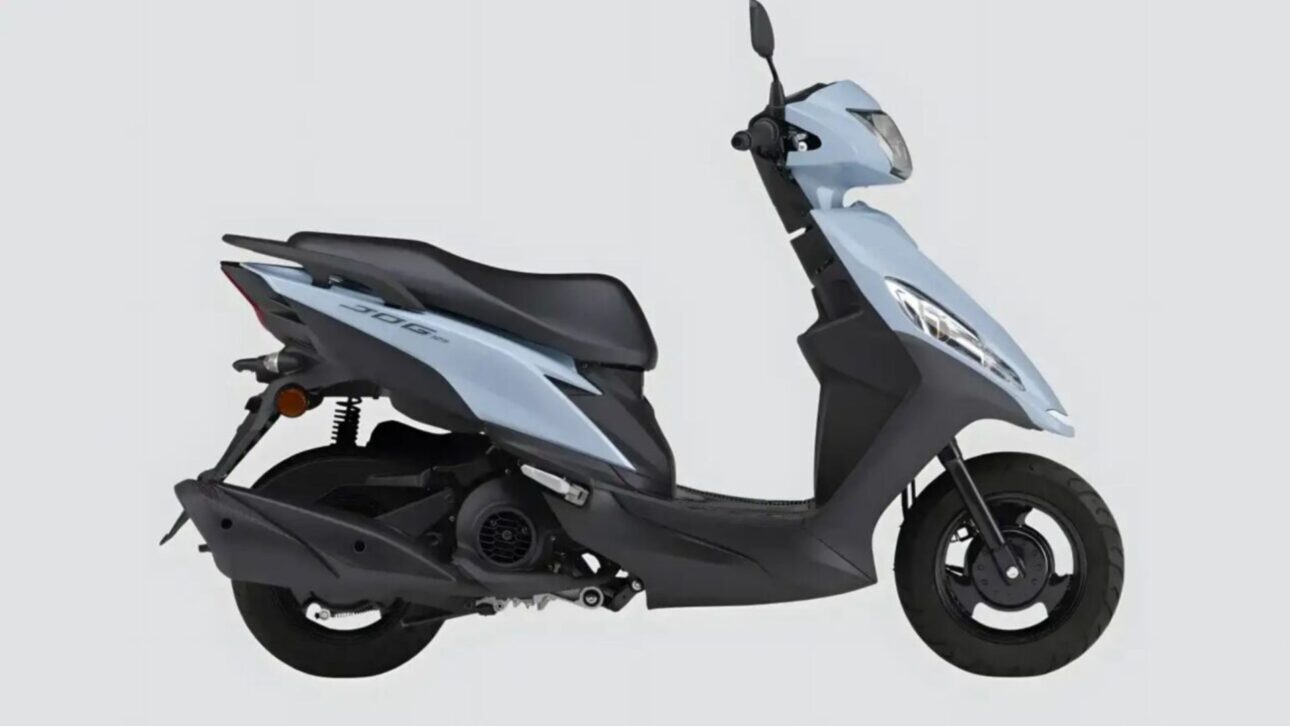
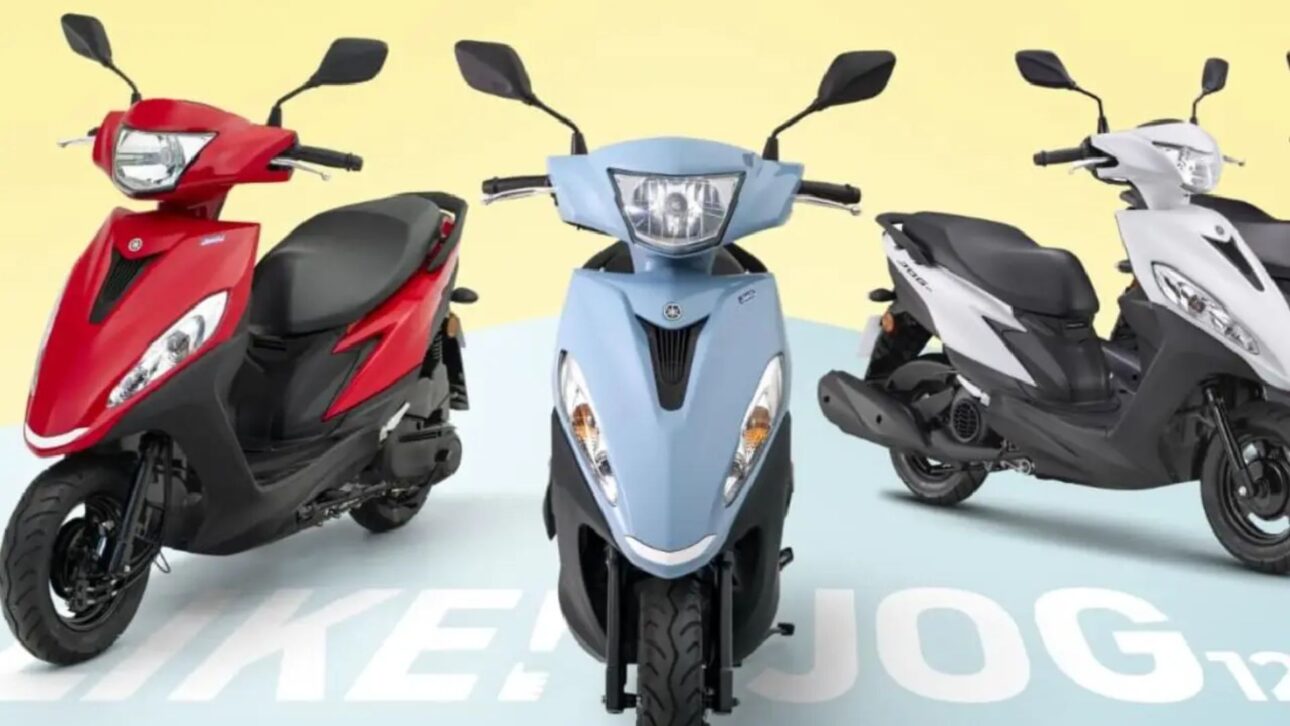
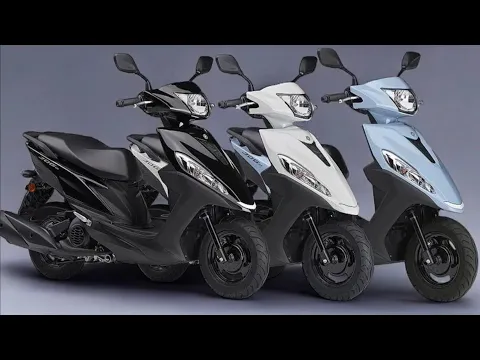
The JOG 125 arrives in the Japanese market with a palette composed of light blue, red, white, and black. The visual language follows simple and functional lines, prioritizing clean surfaces and discreet optical blocks.
The result is a design that does not aim for sportiness but communicates lightness and practicality, aligned with an audience that needs a “means of transport” before a “leisure object.”
Price and Positioning
With a price equivalent to around US$ 1,800 in Japan, the JOG 125 ranks among the entry-level options in Yamaha’s urban mobility catalog.
The focus is on total cost of ownership: contained consumption, simplified maintenance, and potentially cheaper insurance than larger motorcycles.
In this context, the appeal is clear for workers, students, and users who want to replace part of their travels done by car, bus, or apps.
Possible Comparisons in Brazil
In the Brazilian market, Yamaha itself sells products with similar appeal in proposal, such as Neo 125 and NMax. Each with distinct positioning and engine size.
The JOG 125, if it were to arrive, would compete with low-displacement scooters and “cubs” aimed at capital traffic, where agility and economy weigh more than absolute performance.
Today, local consumers seek good range, comfortable seating, useful storage, and reliable after-sales service, attributes that the JOG 125 aims to meet at its origin.
Trend of Economic Mobility
The search for more efficient and accessible means of transportation has consolidated in major cities.
Amid rising fuel costs and time lost in traffic jams, lightweight and low-consumption scooters gain attractiveness.
The JOG 125 project engages with this movement by combining low weight, contained consumption, and daily practicality, without resorting to technological solutions that increase the final product cost.
What Is Missing for Brazil
So far, there is no official confirmation about the sale of the JOG 125 in the country. An eventual arrival would depend on factors such as portfolio strategy, estimated demand, production capacity, and adjustments to local regulations.
Meanwhile, Yamaha continues to offer models in Brazil that already cater to this audience and that, in theory, would occupy the price and use range intended by the JOG 125.
The possibility of nationalization or importation remains open, but with no schedule released.

For Whom It Makes Sense
The user profile of the JOG 125 is straightforward: those who need an economical vehicle for everyday use, with easy acceleration, predictable maintenance, and enough storage for small daily demands.
In cities with heavy traffic, where every minute stopped weighs on the budget, the combination of low consumption and compact dimensions tends to offer real gains in time and money.
Short-Term Outlook
In Japan, the initial reception indicates potential for prominence among beginners and returning users seeking simplicity.
The strategy relies on competitive pricing and reduced cost per kilometer, a traditionally decisive equation in mature two-wheeled markets.
If demand continues to heat up there, how would this package perform if applied to the Brazilian reality?




Iria correndo comprar