





 Portuguese
  English
  Spanish
  4 min of reading
  0 comments



The New Hybrid Supercar W1 from McLaren Arrives with an Impressive 1,200 Horsepower and Lots of Formula 1 Technology
McLaren, a renowned manufacturer of luxury and high-performance cars, is once again challenging the limits of automotive engineering with the launch of its latest hybrid supercar, the McLaren W1. This extraordinary machine promises not only to impress speed enthusiasts but also to bring technology derived from Formula 1, a specialty of McLaren, which has already accumulated victories on the most competitive tracks in the world.
A Tribute to McLaren’s Heritage
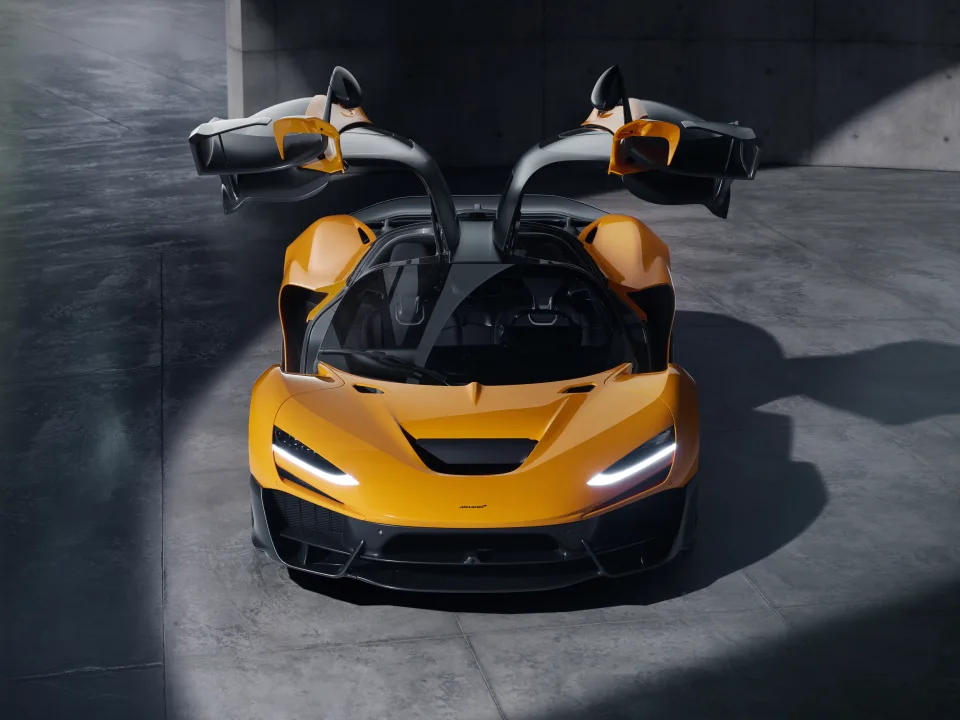
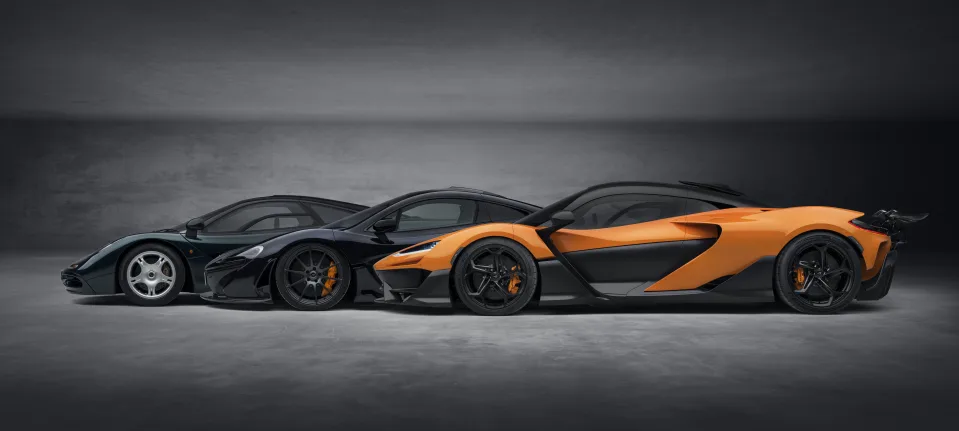
The W1 follows in the footsteps of two legends of the brand, the electrified P1 and the iconic F1, which revolutionized the supercar market in their respective eras.
Integrated into the Ultimate Series line, known for being reserved for the most exclusive and advanced supercars from McLaren, the W1 is described as a perfect combination of power and innovation.
-
Hyundai sells an executive minivan that looks like a VIP room on wheels: Custin carries 7 people, uses a 1.5 turbo engine with 168 hp, 8-speed automatic transmission, and costs around R$ 157,000 in direct conversion in Vietnam.

-
The 7-seater Toyota that seems too cheap to exist in Brazil: Rush has a 1.5 engine, manual or automatic option, and a converted price close to R$ 81,000, while here families need to aim for much more expensive SUVs.
-
The 2012 Mitsubishi Pajero Dakar diesel shows 314,000 km and still draws attention for its reputation for durability; the seven-seater 4×4 SUV handles trails, but signs of severe use may conceal losses for used car buyers.
-
Peugeot publicly acknowledged the errors of the PureTech engine, which caused serious failures in hundreds of thousands of cars, and introduced the new Turbo 100 as a definitive solution, a 1.2 turbo tested for over 3 million kilometers that replaces the faulty belt with a more durable chain.




McLaren’s CEO, Michael Leiters, highlighted the boldness of the project, stating: “With our new Ultimate supercar, we are once again pushing the boundaries of true supercar performance with an epic hybrid powertrain“. Leiters also emphasized that the W1 incorporates the most advanced technology from the brand, such as the MHP-8 V8 engine and state-of-the-art aerodynamics, all wrapped in a lightweight and resilient structure.
Overwhelming Power with State-of-the-Art Technology
The heart of the McLaren W1 is the MHP-8 engine, a 4.0-liter twin-turbo V8 that generates 916 hp. However, with the addition of an electric motor derived from racing tracks, this power skyrockets to an impressive 1,258 horsepower and 988 lb-ft of torque.
This combination allows the W1 to reach dizzying speeds, going from 0 to 60 mph in just 2.7 seconds, with a top speed of 186 mph achieved in 12.7 seconds.
The choice of a flat-crankshaft, typical of racing cars, allows the MHP-8 to rev up to 9,200 RPM, creating a unique sound that echoes through its exhaust system, providing an unparalleled auditory experience for car enthusiasts.
Additionally, the electric motor, weighing only 44 pounds, is directly coupled to the W1’s transmission, offering immediate response and rear-wheel traction.
Aerodynamics and Unmatched Performance
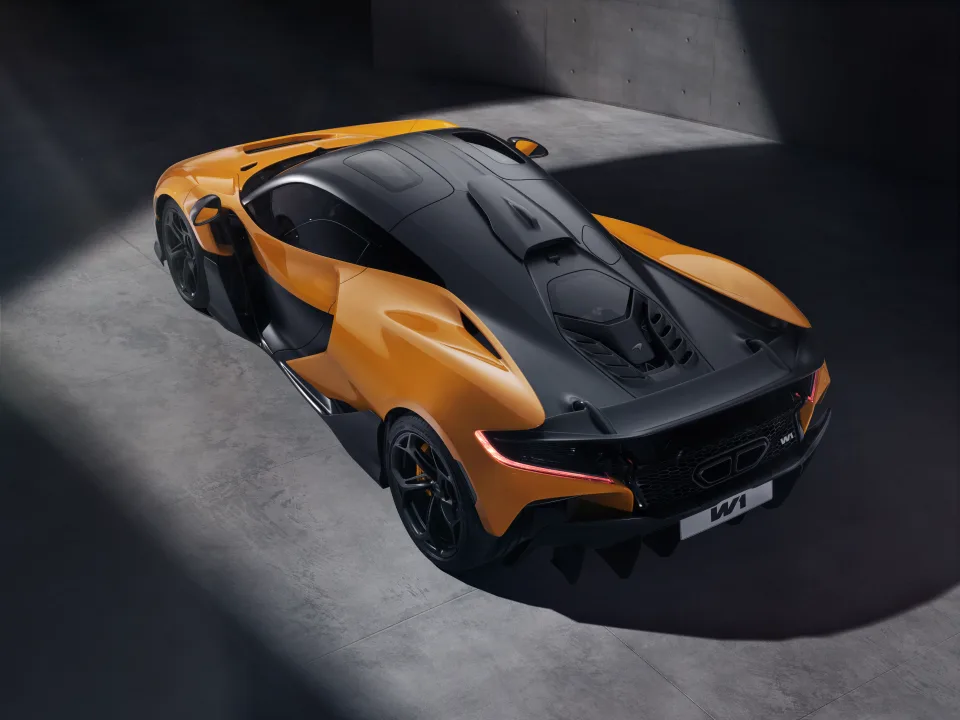
The phenomenal performance of the W1 is not only due to the engine but also to extensive aerodynamic work and the use of lightweight and durable materials.
Weighing around 3,000 pounds, the hybrid supercar is built on a carbon fiber chassis, featuring ground effects inspired by Formula 1 and an active rear wing that maximizes stability at high speeds. These features ensure that the W1 behaves like a true race car on the track.
However, unlike many competitors that opt for cutting-edge innovations in all aspects, McLaren made a curious choice for purists: hydraulic steering and brakes.
Although this technology may seem less advanced than modern electronic options, it offers a more engaging and precise driving experience, pleasing drivers who value total control over the car.
Exclusivity and High Price
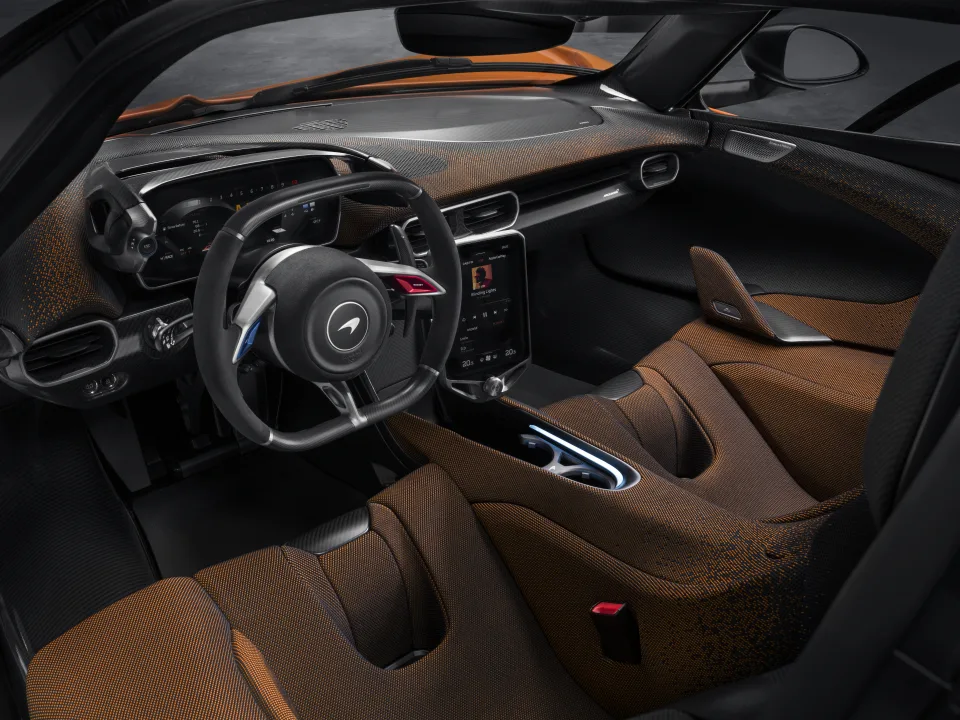
Following the example of other supercar manufacturers like Ferrari and Porsche, McLaren decided to limit the production of the W1 to just 399 units.
This exclusivity model, combined with the use of advanced technology and high-quality materials, is reflected in the price: the W1 will hit the market with a starting price of US$ 2.1 million.
Leiters revealed that McLaren’s strategy is inspired by Ferrari, a brand known for limiting its production and charging high prices in exchange for exclusivity. Ferrari, for example, launched the LaFerrari, a hybrid supercar with 950 hp, which had a starting price of over US$ 1 million. Just like the LaFerrari, which became a sought-after rarity at auctions, the McLaren W1 promises to follow the same path of appreciation.
Worthy Competitors in the Hybrid Supercar Market
The competition in the hybrid supercar segment is fierce. In addition to Ferrari, brands like Porsche and Aston Martin also offer models that rival the McLaren W1. The Porsche 918 and the Aston Martin Valhalla are examples of supercars that combine combustion engines with electric systems to deliver extreme performance.
However, with its Formula 1 heritage and commitment to innovation, the McLaren W1 seeks to stand out not only for its overwhelming power but also for the unmatched driving experience it offers to the lucky few who will be able to drive this masterpiece of automotive engineering.
By bringing cutting-edge technology developed on the tracks to the streets, the W1 confirms that McLaren continues to lead the way in the world of hybrid supercars.


Be the first to react!