






 Portuguese
  Spanish


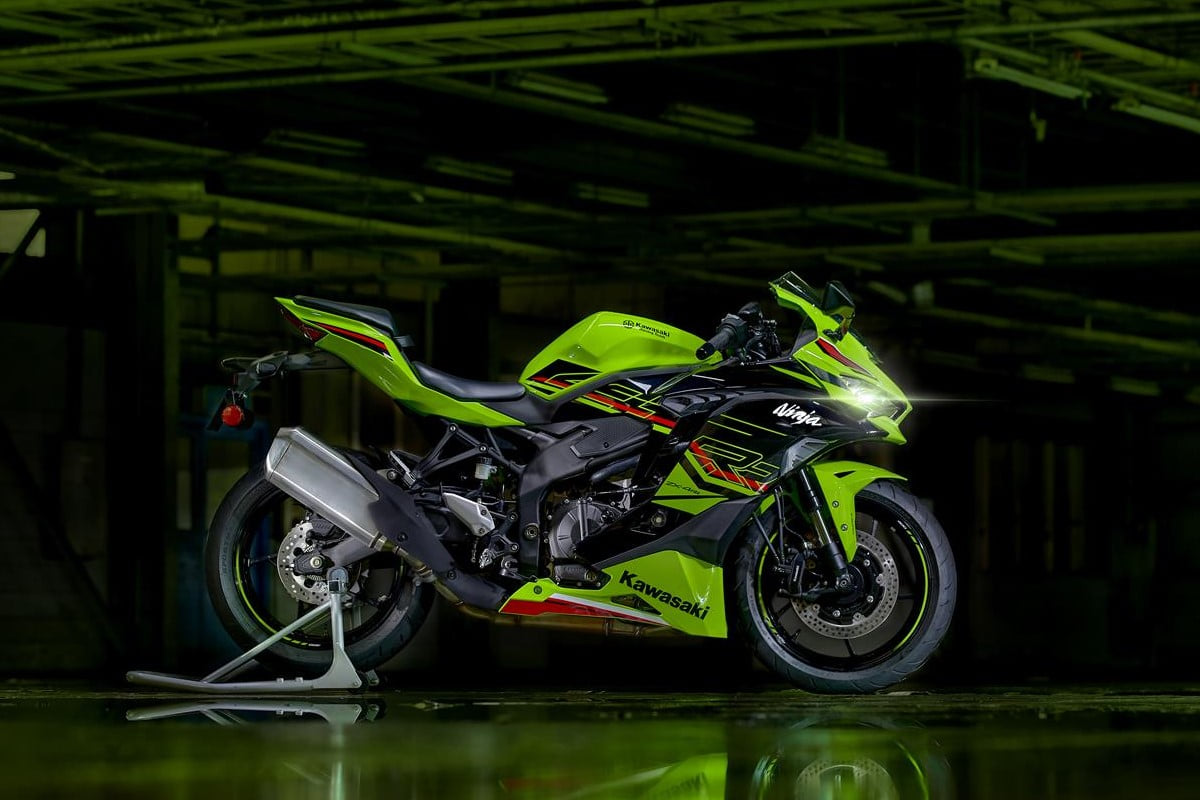
Kawasaki Ninja 400 2024 Is A Lightweight Sportbike, Powerful And Costs Less Than A Basic Chevrolet Onix, Offering Performance And Style For R$ 34 Thousand.
With a starting price of R$ 34 thousand at dealerships, the Kawasaki Ninja 400 2024 is one of the most balanced sportbikes on the market, combining aggressive looks, exciting performance, and ease of handling. The most interesting part: it costs less than a basic 0 km Chevrolet Onix 1.0, a compact hatch that starts at around R$ 82 thousand for the entry-level version.
While the Onix focuses on fuel economy and family transportation, the Ninja 400 delivers a completely different experience: quick accelerations, sharp handling in corners, and a design that directly pays tribute to the superbikes used in speed championships.
The Growth Of Medium-Sized Sportbikes In Brazil
In recent years, the segment of motorcycles between 300 and 500 cc gained strength in Brazil. Models like the Ninja 400 attract both beginner riders looking to make the leap to a more powerful sportbike and experienced motorcyclists searching for a second bike for fun.
-
Toyota Launches First 100% Electric Car in Brazil: bZ4X with 343 HP, All-Wheel Drive, 361 km Range, Priced at $419,990 BRL, Limited to 99 Units

-
Chinese SUV Achieves 24.4 km/l, Outperforms Toyota Yaris Cross in Real-World Tests with 224 hp Hybrid System, Offers 51-Liter Tank for Greater Range, and Costs Up to R$ 5,000 Less.

-
Uber Black Revamps Fleet, Drops Ten Car Models and Sets Deadline for Electric BYD Dolphin
-
Chinese Giant Uses Metal Structures and Cranes to Deliver Over 700 Electric Cars to Brazil


The Ninja 400 stands out for offering respectable performance, relatively affordable maintenance, and a chassis and suspension setup that ensures stability even at higher speeds.
Design And Aerodynamics Of The Kawasaki Ninja 400 2024
Visually, the Ninja 400 inherits traits from its larger sisters, such as the Ninja ZX-6R and ZX-10R. The full fairing, dual LED headlights, and low windshield contribute to its aerodynamics and sporty appeal.
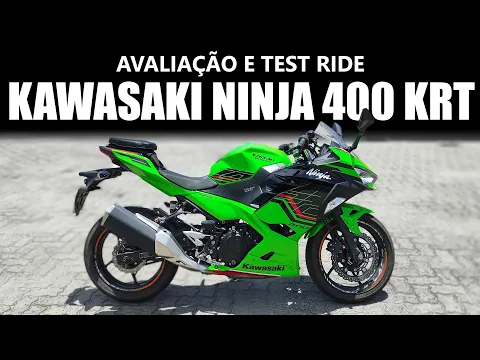

The riding position is slightly leaned forward, but less radical than high-displacement sportbikes, allowing for urban use without significant sacrifices in comfort. The seat at 785 mm height accommodates riders of different statures, and the dry weight of just 168 kg aids in maneuverability.
Engine, Performance, And Fuel Consumption
The Ninja 400 comes equipped with a 399 cc, DOHC, liquid-cooled twin-cylinder engine that delivers 48 hp at 10,000 rpm and 3.9 kgfm of torque at 8,000 rpm.
Paired with a six-speed transmission with assist and slipper clutch, the setup allows for acceleration from 0 to 100 km/h in about 5 seconds and a top speed of approximately 190 km/h.
Fuel consumption is another positive point: the average is 23 km/l on the highway and 20 km/l in the city, ensuring a range of about 300 km with the 14-liter tank.
Equipment And Onboard Technology
The Ninja 400 features a simple yet effective package:
- Full LED lighting
- Mixed (analog and digital) display with gear indicator and fuel consumption
- ABS brakes as standard
- Telescopic front suspension and adjustable mono-shock rear suspension
- Assist and slipper clutch that reduces effort at the lever and prevents rear wheel locking during sudden downshifts
These features make the bike safe and predictable, even for those migrating from lower displacement models.
Maintenance And Mechanical Reliability
Kawasaki is known for its precision engineering and durability. The Ninja 400, when maintained with regular service and filled with quality fuel, is capable of running many kilometers without significant mechanical issues.
Services are annual or every 6,000 km, with costs ranging from R$ 500 to R$ 1,200 depending on the intervention. Wear items, such as brake pads and tires, have costs compatible with the average sports segment.
Kawasaki Ninja 400 vs. Chevrolet Onix Basic: The Curious Comparison
| Characteristic | Ninja 400 2024 | Onix 1.0 Basic 0 km |
|---|---|---|
| Average Price | R$ 38 thousand | R$ 82 thousand |
| Power | 48 hp | 82 hp |
| Torque | 3.9 kgfm | 10.6 kgfm |
| 0–100 km/h | 5 s | 13.5 s |
| Top Speed | 190 km/h | 170 km/h |
| Average Fuel Economy | 21.5 km/l | 13 km/l (gasoline) |
| Cargo Capacity | Low | High |
Resale Value And Liquidity
The Ninja 400 maintains good liquidity in the used market. As it is a highly desired sportbike by both beginners and veterans, well-maintained models sell quickly and with little depreciation — generally around 5% per year, below the average for compact cars.
The Chevrolet Onix 1.0 Basic performs well as an urban and economical car, but it doesn’t deliver the thrill of accelerating a Kawasaki Ninja 400 on a winding road. For less than half the price of a new compact hatch, the motorcycle offers sporty performance, track-style looks, and the feeling of freedom that only two wheels can provide.
The question is: with R$ 38 thousand in hand, would you choose the practicality of a popular car or the adrenaline of a true sportbike?





-

-

-

-

-

-

9 people reacted to this.