






 Portuguese
  Spanish


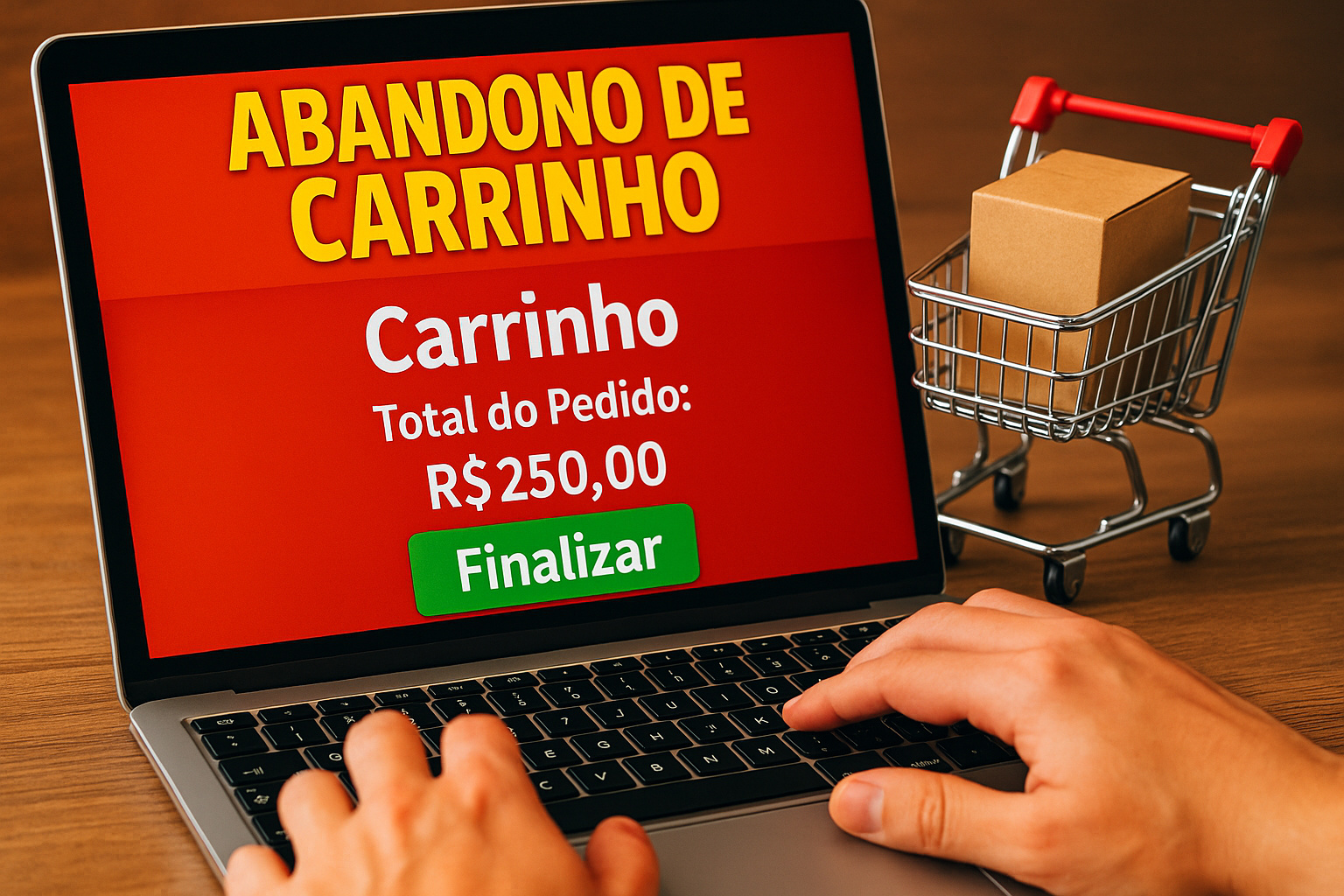


Delivery Costs Remain a Central Barrier in Digital Sales
The Brazilian e-commerce faces a constant obstacle: the high shipping costs.
2024 surveys, released by Exame based on data from Opinion Box, show that delivery cost remains the main reason for shopping cart abandonment in e-commerce.
Despite the sector’s growth, the logistical barrier still directly impacts the consumer experience.
Moreover, it clearly affects companies’ revenues.
Shipping Remains the Villain for Consumers and Retailers
In April 2024, a survey revealed that 65% of consumers abandoned online purchases due to shipping costs.
In addition, 41% stated that they only complete the purchase when shipping is free.
This scenario reinforces the importance of more aggressive subsidy or logistics negotiation policies by companies.
After all, the higher the perceived cost, the greater the chance of abandonment.
Companies Seek Strategies to Reduce Logistics Costs
In light of this challenge, various companies in the sector have adopted alternatives to minimize impacts.
Among the solutions are:
-
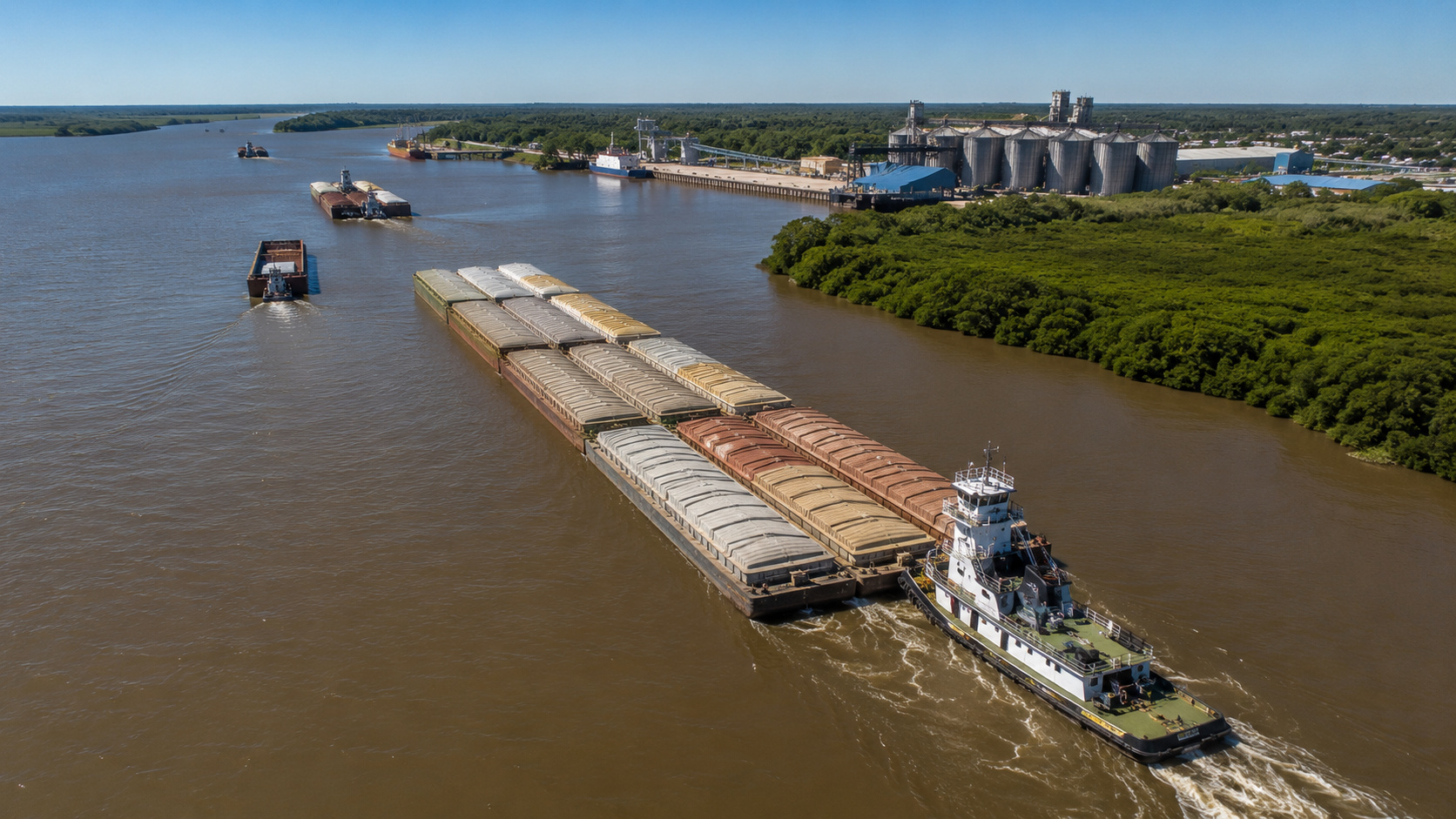
Latin America’s Largest Port Invests $400 Million in Rail System with Trains Up to 2.4 Kilometers Long
-
New Smart Radar Begins Issuing Fines to Solo Drivers in Carpool Lanes, Uses Cameras to Count Occupants, Changing Traffic Enforcement Rules on Busy European Roads

-
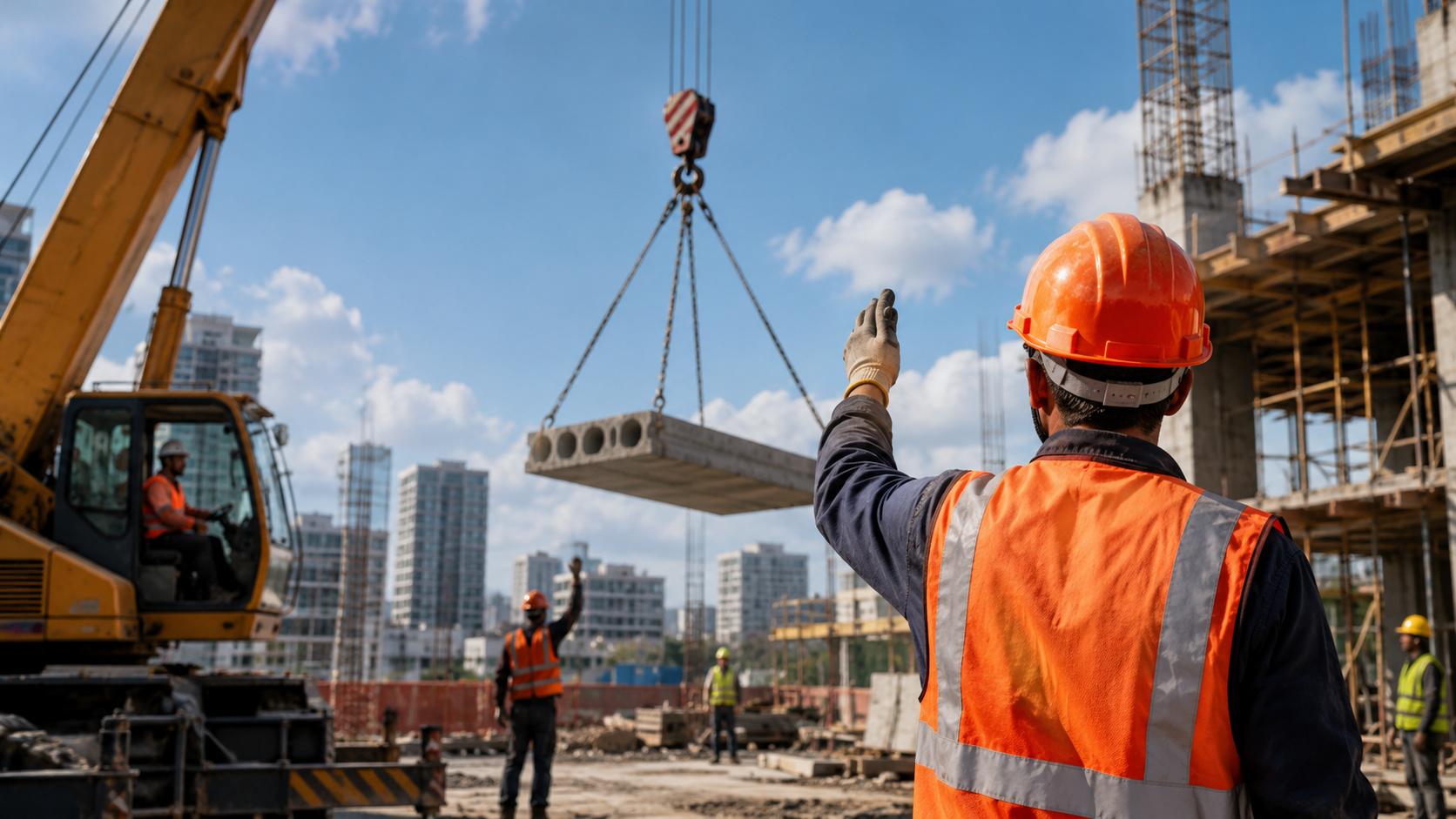
Why can the crane operator only obey the correct signalman on the construction site: among dozens of workers, a hand raised by the wrong person can confuse the maneuver and turn a load of tons into an immediate risk.
-
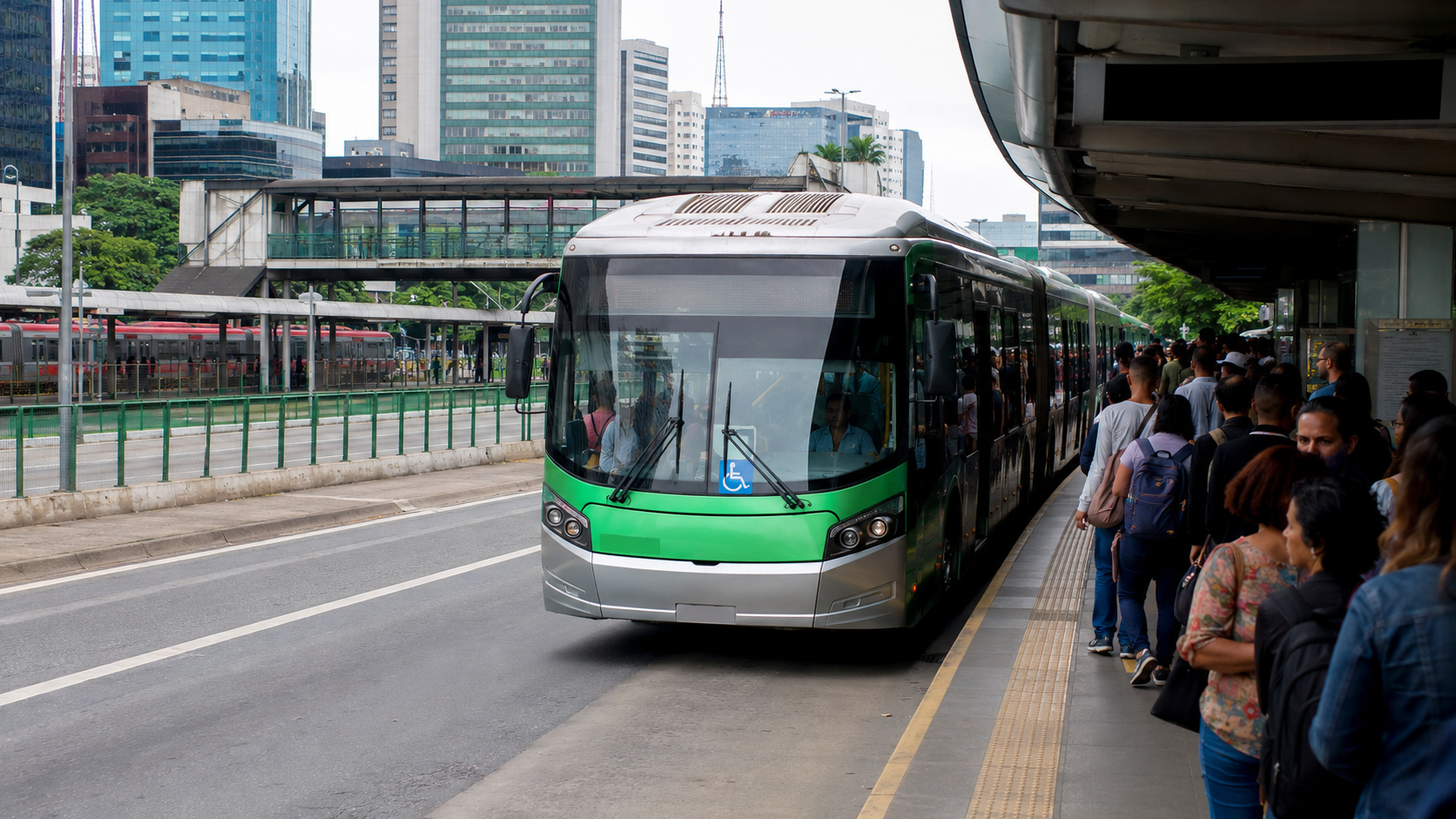
What changes with the new public transportation rules that can reduce pressure on fares and pave the way for zero fare in Brazil?

- Integration with Regional Logistics Operators to reduce distances.
- Decentralized Distribution Centers, which bring products closer to the end consumer.
- Promotional Campaigns with Free Shipping on specific dates, such as Mother’s Day and Black Friday.
This adaptation has become essential because, in addition to the logistics inflation recorded in the first half of 2024, consumer pressure for competitive prices is constantly growing.
Recent Timeline Reinforces Pressure on the Sector
Since 2020, when e-commerce accelerated due to the pandemic, shipping has become one of the biggest bottlenecks in the digital chain.
In 2022, Ebit/Nielsen studies already indicated that over 50% of cancellations were related to shipping costs.
Now, in 2024, with accumulated inflation and rising fuel costs, the problem has become even more evident.
This conclusion is reinforced by logistics sector experts.
Perspectives for E-Commerce and Consumer Expectations
Although companies are investing in technology and infrastructure, the consumer perception remains critical.
After all, the Opinion Box survey reinforces that 72% of Brazilians expect to receive free shipping on at least part of their online purchases.
Thus, the challenge for 2025 will be to balance costs and convenience.
It will be necessary to ensure competitiveness and loyalty at the same time.
Given this, wouldn’t it be time to reconsider the entire logistics model of e-commerce in Brazil?




No meu caso eu abandonei quase todas as compras online. Só em casas muito excepcionais quando o frete é grátis. De resto você compra um produto de r$ 40 e o frete custa 50. Aí você fica se perguntando se a plataforma acha que você tem cara de palhaço por perder o seu tempo porque é uma incrível perda de tempo.. voltamos para as lojas físicas. Eu nem ia mais trocar de carro agora já até troquei de carro vale mais a pena você tem um carro e sair pelo mundo do que compraram online.