






 Portuguese
  Spanish


Popular Models Like Onix, Pulse, and Dolphin Bring New Technology, But Owners Are Alarmed By Repair Costs That Can Exceed The Vehicle’s Value Once Factory Protection Ends.
The Brazilian automotive market has changed. High-volume cars now use technologies previously seen only in luxury models. The popularization of turbo engines and the arrival of electric vehicles reshape the concept of owning a car. However, this modernization brings a new fear for consumers: what happens when the warranty ends? Reports of critical failures and exorbitant estimates for turbo and electric cars fuel a growing anxiety about maintenance costs.
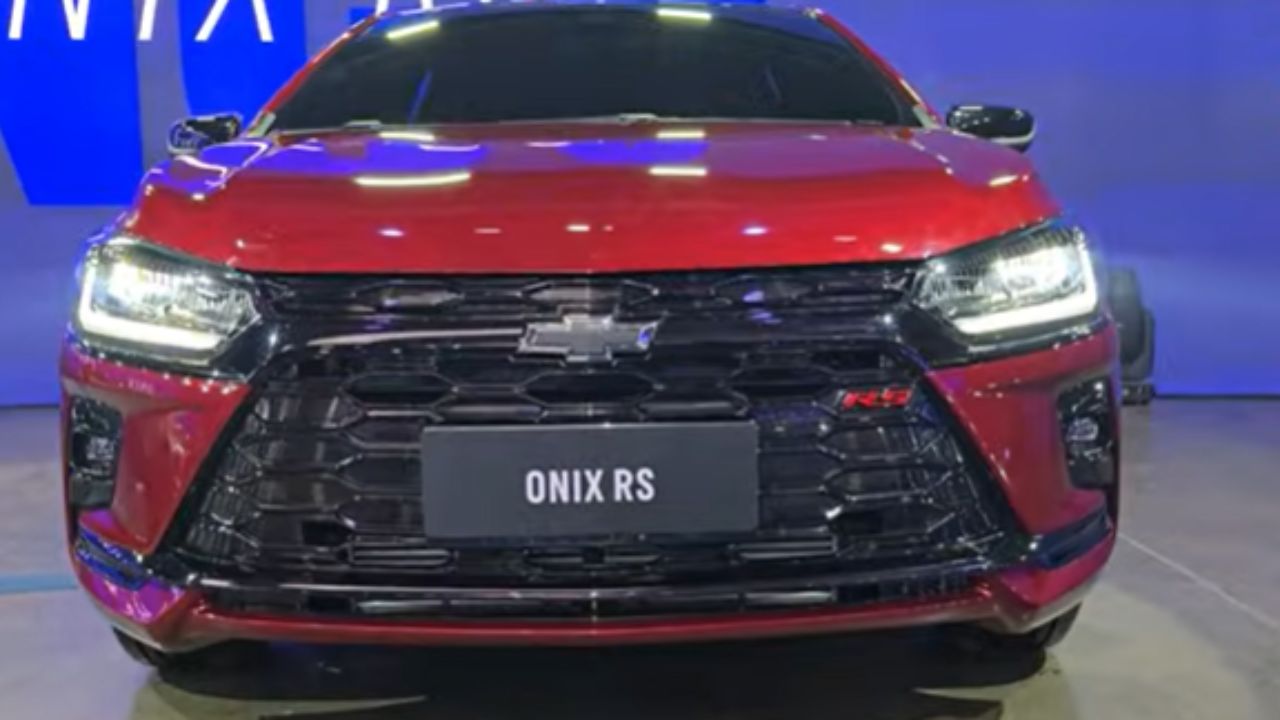
Chevrolet Onix Turbo: The Costly Risk of the Oil-Bathed Timing Belt
The 1.0 turbo engine of the Chevrolet Onix stands out for its efficiency. However, an engineering choice has become a major concern: the oil-bathed timing belt. Designed to reduce friction, it has proven too sensitive to Brazilian conditions.
The use of oil outside specifications or contamination from poor fuel can lead to the degradation of the belt. Its fragments can block the oil pump, leading to a catastrophic engine failure. Owners report breakages with just 40,000 km. Other issues include turbine failures, with replacement costs reaching R$ 12,000, and defects in the clutch actuator.
-
Does a Flag on Your Car’s Hood Overheat the Engine? Expert Reveals the Overlooked Danger for Drivers

-
How to Identify and Remove Superficial Scratches Before Spending on Car Bodywork

-
Electric Car with Extended Range: Company Patents Hybrid Transmission System Using Gasoline Engine for Backup
-
GM Developed the Chevette to Rival the Beetle, Launched it in Brazil Before Europe, Sold 1.6 Million Units, and Left a Generation with Gas Station Trauma


The real shock lies in repairs outside the warranty. An engine overhaul, in case of belt failure, can cost between R$ 5,000 and R$ 18,000. In response to complaints, Chevrolet extended the belt warranty to 240,000 km or 15 years. The brand also launched a campaign for owners who lost warranty to reactivate it, through inspection and oil and filter changes, at a cost that can reach R$ 3,000. In practice, GM turned a crisis into a way to bond customers to its network.
Fiat Pulse Turbo: Innovation Accompanied By Youth Defects
The Fiat Pulse innovated by bringing the T200 engine, which uses a timing chain. This system is more durable and eliminates the breakage risk seen in the competitor. Strict maintenance of the correct oil (Mopar MaxPro Synthetic 0W30) is crucial for the turbocharger’s health.
Being a new project, the Pulse suffers from “infant defects”. The main source of complaints is the CVT transmission, with reports of locking and complete failures. Issues with the oil pump, engines that suddenly shut off, stuttering, and finish defects are also common. A design flaw in the fuel filler neck, which complicates locking the fuel pump, has been recognized and corrected by Fiat.
Fiat is transparent about the prices of scheduled maintenance, which range from R$ 746 to R$ 918 in the first 50,000 km. To mitigate post-warranty fears, the automaker sells additional protection, the FlexCare Warranty. Consumers can choose between plans covering the engine and transmission or a broader coverage. Fiat’s strategy is different: it monetizes peace of mind, transferring to the customer the cost of managing the risk of an expensive repair.
BYD Dolphin: Daily Savings Against the Catastrophic Battery Risk
The main attraction of the BYD Dolphin is its low operating cost. Energy expenses are a fraction of fuel costs, and scheduled maintenance is cheap: the first costs R$ 400 and the second R$ 1,040, alternating these values. At 100,000 km, the accumulated maintenance cost is R$ 3,280, compared to about R$ 5,645 for the Pulse.
The great fear, however, is the battery. The cost of a replacement outside warranty is frightening. A dealership quote for a swap reached R$ 213,000. In the parallel market, the part can be found for prices starting from R$ 35,000. The Blade battery is a structural component, and its cells are glued, making partial repairs nearly impossible. Physical damage from a hit can condemn the entire pack.
Besides the battery, owners report issues like a lack of replacement parts, a very soft rear suspension in the Mini model, and problems with the 12V auxiliary battery. To provide security, BYD offers a long warranty: 6 years for the vehicle and 8 years for the battery. However, this protection is highly conditional. The manual details clauses that void coverage, such as not having maintenance done at the network, using unapproved chargers, or leaving the battery undercharged for too long.
How To Choose The Best Car For Your Wallet?
The choice between turbo and electric cars is a financial risk assessment. Each model presents a different scenario post-warranty:
- Chevrolet Onix: Risk Concentrated In The Engine. The failure of the belt has a high cost, but the risk is mitigated by the factory’s extended warranty, which in exchange requires loyalty to the authorized network.
- Fiat Pulse: Dispersed Risk. Problems spread across transmission, electronics, and engine. Peace of mind is not standard and must be purchased through additional warranty.
- BYD Dolphin: “All Or Nothing” Risk. Extremely low daily costs against the potential for catastrophic loss with the battery. The long warranty requires discipline and strict compliance from the owner.
For the future buyer, the decision requires a sincere self-assessment of their risk tolerance. The new automotive era demands a more informed consumer who understands that preventive maintenance and careful reading of the warranty manual are the most important tools to avoid financial nightmares.






Na verdade sempre foi assim com qualquer veículo. Essa questão da garantia sempre exige atenção, pois as montadoras sempre querem se isentar ao máximo da garantia, seja qualquer tipo de veículo.
Brasileiro não aprende mesmo.