Portuguese
  Spanish




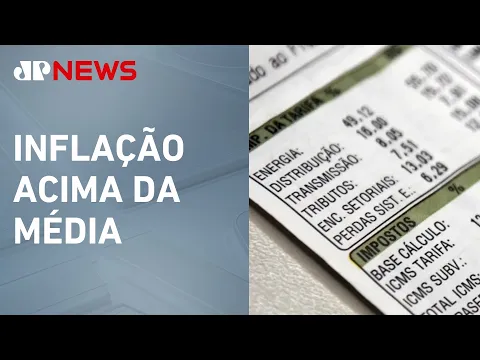
Get Ready: Energy Costs May Rise Up to 12% in 2026, Impacting Businesses and Free Consumers Significantly.
The Brazilian energy landscape has undergone significant transformations in recent decades. Therefore, energy costs may rise and directly impact free consumers, businesses, and families, especially starting in 2026, according to recent studies from ANACE (National Association of Energy Consumers).
Furthermore, these changes reflect political, economic, and technological decisions that affect society as a whole.
Historically, the electricity sector in Brazil has received large public investments, from the creation of Eletrobrás in 1962 to the implementation of large hydropower plants, such as Itaipu and Sobradinho.
-
USP researcher creates thesis to attract international funds for the country’s electric energy sector

-
Trafigura receives authorization from ANEEL to trade electricity in Brazil and expands its operations in the largest energy market in Latin America.
-
Mobile solar panels promised to share space with corn crops, but the 20% to 25% shade reduced production by an average of 7.7% and opened a new dispute between energy and food.
-
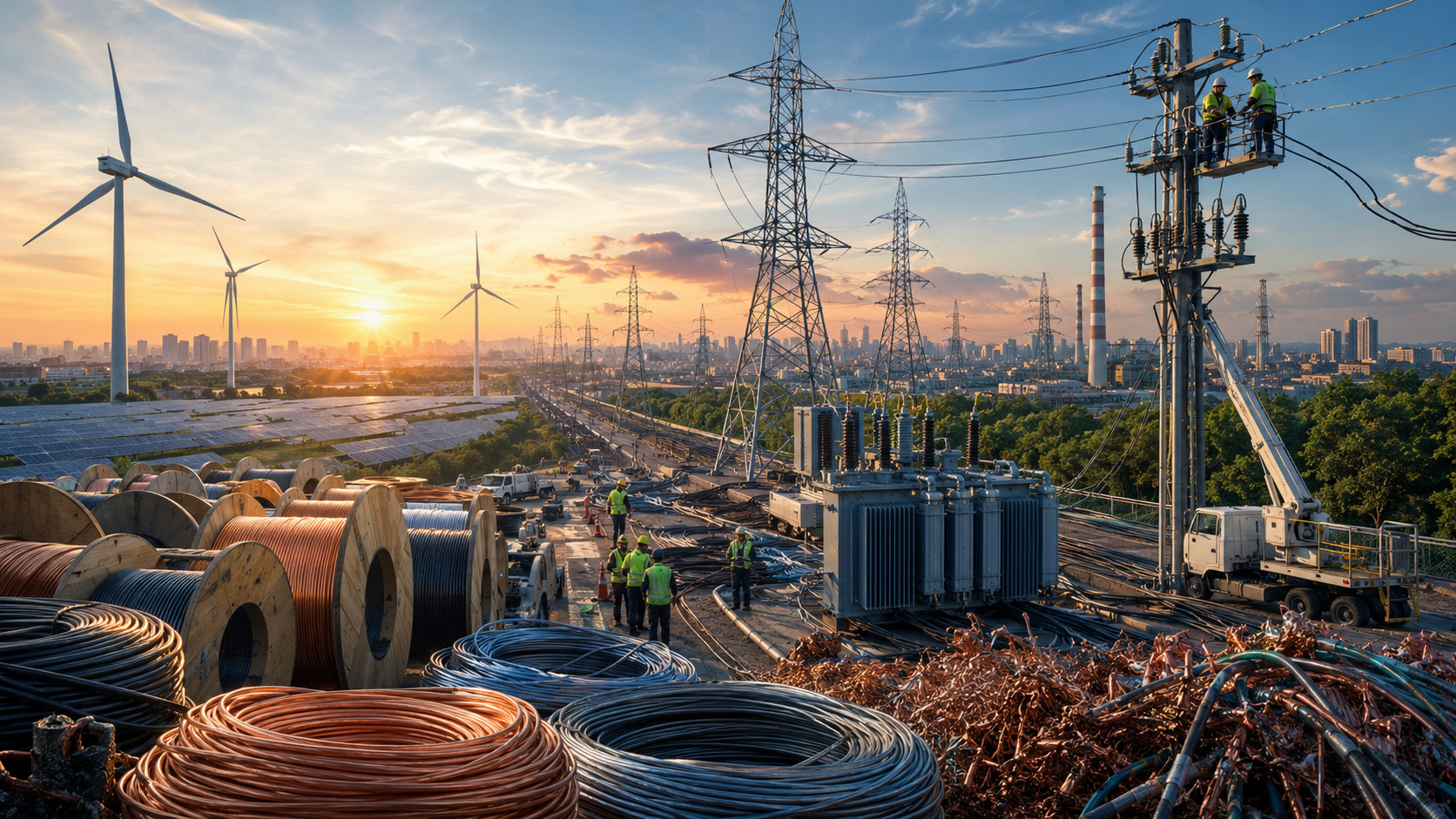
More than 80 million kilometers of wires need to be replaced by 2040: the energy transition doesn’t just depend on panels and electric cars, but on a colossal race for copper, aluminum, transformers, and recycling of old cables.


These investments ensured energy supply to a growing population and an expanding industrial sector.
However, due to the dependence on public policies and the complexity of the subsidy system, prices remain vulnerable to regulatory changes.
Currently, free market energy consumers, who negotiate supply contracts directly without solely relying on local distributors, face a challenging reality.
According to ANACE estimates, energy costs may rise up to R$ 65 per MWh, representing an increase of 5% to 12% in electricity expenses.
Additionally, these increases affect companies’ financial planning and may impact investment in new projects and business expansion.
Factors Driving Cost Increases
The impact of these regulatory adjustments is complex; however, policies promoting renewable energy and distributed generation remain essential for a sustainable future.
On the other hand, they increase the burdens on consumers who are already negotiating competitive contracts in the free market.
ANACE’s analysis shows that the upward trend is not just due to inflation or increased consumption, but also the creation of new beneficiaries who start to receive benefits from public policies.
These new beneficiaries generate additional pressures on the amounts paid by users.
Furthermore, other factors contribute to the increase in costs.
For example, the free provision of energy for low-income families with consumption of up to 80 kWh per month adds between R$ 15 and R$ 20 per MWh to average costs.
Simultaneously, energy from Angra I and II, essential for system stability, incurs additional costs of R$ 7 to R$ 12 per MWh.
Small additions, such as the exemption from the CDE (Energy Development Account) for low-income consumers, accumulate and pressure final rates.
Another important factor is the volatility of the global energy market.
With climate changes and international events affecting the supply of fossil fuels, Brazil also feels indirect repercussions.
This occurs because part of the electricity system still depends on thermal plants using natural gas and coal.
Therefore, energy costs may rise not only due to internal policies but also due to external factors interfering with energy generation and distribution.
The President of ANACE, Carlos Faria, emphasizes that, while increasing access to energy for low-income families is socially relevant, additional costs directly impact companies’ economies.
This influences everything from job maintenance to the prices of goods and services.
Historical Context and Energy Crises
To understand the current context, it is important to remember that Brazil faced energy crises in the 2000s and 2010s, which resulted in blackouts and rationing.
The lack of planning and excessive reliance on hydropower plants during drought periods showed that Brazil’s energy system is sensitive to climate changes and regulatory decisions.
Currently, with the diversification of the electric matrix and the rapid growth of distributed generation, the challenge has changed.
It is not enough to ensure sufficient energy; it is necessary to balance energy costs, market competitiveness, and environmental sustainability.
Furthermore, the expansion of the free market allows large consumers to negotiate contracts directly with generators and marketers.
This mode brought greater competitiveness; however, it also exposed consumers to price variations that reflect burdens, subsidies, and public policies.
Moreover, the extension of contracts under Proinfa (Incentive Program for Alternative Energy Sources) and the advancement of distributed generation may add R$ 4 to R$ 8 per MWh to final costs.
This makes it inevitable that energy costs may rise consistently in the coming years.
Additionally, population growth and industrial expansion in urban areas increase the demand for electricity.
Therefore, the modernization of cities, the adoption of more advanced electric technologies, and the need to maintain a reliable distribution network reinforce that energy costs may rise significantly without proper planning.
Investments in Renewable Energy and Economic Impacts
The development of renewable energies, while positive for the energy matrix and the environment, requires high initial investments.
Thus, the installation of solar, wind, and small hydropower plants, as well as the modernization of distribution networks, generates burdens that end up being passed on to consumers.
This historical reality shows that the increase in energy costs is not an isolated phenomenon, but rather the result of decades of strategic decisions, investments, and public policies aimed at sustainability.
For companies, the challenge is twofold: they must plan future budgets considering possible increases of up to 12% in energy costs.
At the same time, they need to maintain competitiveness in an increasingly demanding national and international market.
Additionally, for low-income consumers, the expansion of benefits is positive; however, it cannot overlook the economic impact on the rest of society.
Therefore, the balance between social inclusion and economic sustainability remains the biggest challenge for the sector.
Planning and Public Policies
Historically, successful energy policies in Brazil combined long-term planning, strategic investments, and clear regulatory mechanisms.
For example, programs like the expansion of Itaipu, the incentive for Small Hydroelectric Power Plants (PCHs), and Proinfa show that well-structured public policies balance economic growth, energy security, and environmental sustainability.
However, the introduction of quick measures, such as Provisional Measure 1,300/2025, while necessary for immediate adjustments, shows that energy costs may rise significantly without integrated planning.
Consequently, the projected increase for 2026 indicates that free consumers need to be prepared.
With estimated impacts between 5% and 12% on energy costs, companies must review contracts, plan energy efficiency strategies, and evaluate alternatives for self-generation.
Moreover, public authorities need to balance social policies and economic sustainability.
Furthermore, integrating energy efficiency technologies, such as LED lighting, intelligent management systems, and industrial automation, helps mitigate part of the increase in expenses.
Although it requires initial investment and strategic planning, these measures reduce short-term impact.
However, they do not eliminate the need for consistent public policies and continuous market monitoring.
Therefore, energy costs may rise, and this increase is not limited to an immediate effect; it reflects decades of investments, public policies, and transformations in the sector.
Moreover, understanding this historical context and the regulatory mechanisms in place is essential for companies, governments, and consumers to make informed decisions.
This ensures balance between economic growth, sustainability, and access to energy for the entire Brazilian population.