






 Portuguese
  Spanish
  3 min of reading
  0 comments



Petrobras Announces Online Auction of Two Decommissioned Oil Platforms, Reinforcing Circular Economy Practices and the ESG Agenda for the Oil and Gas Sector.
Petrobras has decided to give a new destination to two oil platforms that have completed their operational cycles. The offshore units P-26 and P-19, both decommissioned after the decommissioning process, were put up for sale in an online auction, attracting the attention of companies specialized in recycling, industrial logistics, and asset repurposing in the oil and gas sector.
The electronic auction is organized by SOLD Leilões and is set to close on February 13, 2026. The expectation is for strong interest, considering the volume of materials involved and the potential for industrial repurposing.
Starting Values and Locations of the Platforms
The P-26 platform is located in São João da Barra, Rio de Janeiro, with an initial bid set at R$ 1.5 million. The P-19 platform, located in Macaé, also on the Fluminense coast, has a minimum starting value of R$ 1.6 million.
-
Oil production grows in Rio, but reserve replacement raises a warning sign

-
Petrobras is expected to complete the drilling of the Morpho well in the Foz do Amazonas in August 2026, the first well in the Equatorial Margin, an oil frontier that the ANP estimates at more than 30 billion barrels and could redraw the map of Brazil.

-
Oil returns to the center of concerns with tension between the US and Iran

-
IEA reduces forecast for global oil demand in 2026 after impacts of the Middle East crisis
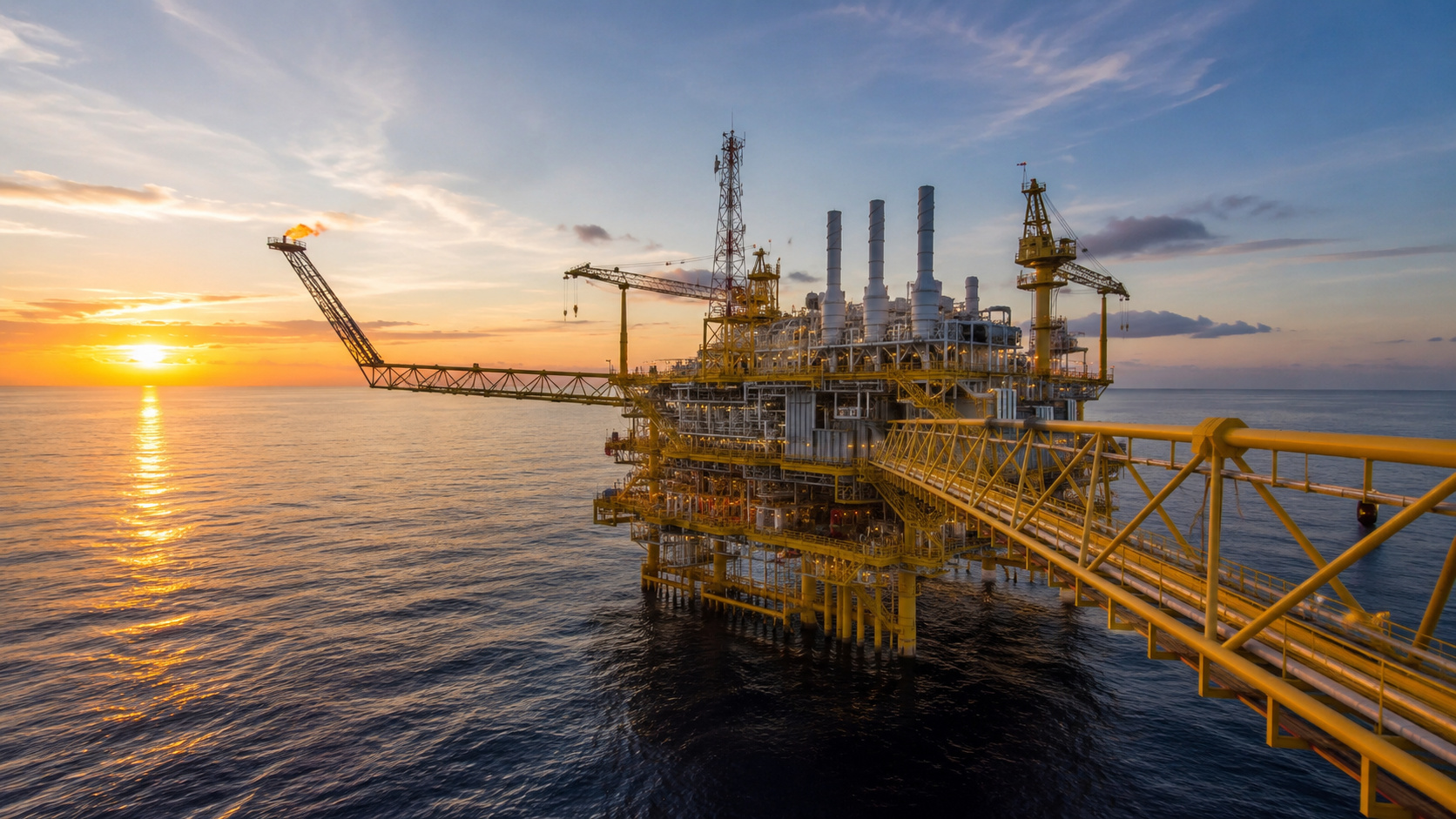


Both structures are part of the history of expanded offshore oil production in Brazil and now enter a new phase, out of operation but still having significant economic value.
Decommissioning Transforms End of Cycle into Opportunity
The sale of the platforms occurs after the completion of the decommissioning plan, a mandatory step when an oil production unit reaches the end of its useful life. For Petrobras, the end of operations does not represent disposal but the beginning of a new cycle.
The repurposing of materials, especially steel, reduces the need for extracting new raw materials and contributes to lowering emissions throughout the production chain. Thus, the process connects directly to the ESG agenda of the oil and gas sector and the principles of the circular economy.
Regulatory Rigor Marks the Offshore Process
The decommissioning of offshore oil platforms follows a strict protocol of safety, environmental management, and traceability. Each step of the process is monitored by regulatory bodies, ensuring compliance with Brazilian legislation.
The National Agency of Petroleum (ANP), the Brazilian Institute of Environment and Renewable Natural Resources (Ibama), and the Brazilian Navy participate in the oversight. The process involves complete cleaning of the structures, disconnection of systems, controlled dismantling, and proper disposal of waste.
This model aims to mitigate environmental impacts, protect the marine environment, and ensure that the materials removed have sustainable disposal.
Offshore Oil Recycling Boosts the Industrial Chain
In addition to the environmental aspect, the initiative stimulates the industrial chain related to heavy recycling, steelmaking, and logistics. The repurposing of steel and other components generates energy savings and opens up space for new businesses specialized in offshore asset recovery.
According to sector logic, recycling an oil platform consumes less energy than producing new steel, which helps reduce the carbon footprint of the industry.
ESG Agenda Gains Ground in the Oil Sector
The decision to auction the platforms reinforces Petrobras’ strategy to align its operations with environmental, social, and governance guidelines. The oil sector, historically associated with significant environmental impacts, is beginning to incorporate practices that prioritize repurposing, transparency, and risk reduction.
In this context, the auction of platforms P-26 and P-19 symbolizes a shift in approach. The focus shifts from solely production to include the responsible disposition of assets at the end of operations, transforming decommissioned structures into economic and environmental opportunities for the Brazilian market.





-

-

4 people reacted to this.