






 Portuguese
  Spanish


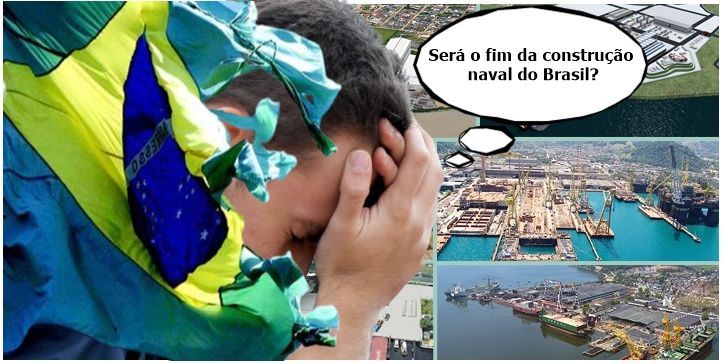

Receiving the news that Petrobras is receiving the first of 4 ships that will operate in Brazilian waters from a Korean shipyard made everyone understand a bit of the recent statement by Petrobras’ president, Roberto Castello Branco, that “Brazil has advantages in natural resources and the Chinese have industrial potential.”
- To Operate Oil Fields with Energy Efficiency, Supercomputers and High-Speed Internet Are Key
- Jurong Shipyard Aracruz, in Espírito Santo Acquires a Financing Contract of 500 Million Dollars
- Macaé: Major Offshore Selective Process for Production Shutdown Signals Return of Operations in the City
The new tankers will integrate the company’s current fleet of 20 vessels and will operate in offloading activities. The other vessels will be delivered in July, August, and October, and at the beginning of the year, Petrobras also contracted three more tankers, with delivery scheduled for 2022.
Although the order for the ships was made in Korea and Petrobras’ platforms are being built in China, the statement made during a FGV webinar hit like a bomb among representatives of the shipbuilding sector, both from the entrepreneurs and the workers side of this industry.
-
Eni Acquires 25% Stake in Chilean Lithium Project, Plans to Invest Up to $225 Million in Eco-Friendly Extraction Method

-
French Brand Transforms 6 Million Brazilian PET Bottles into Sustainable Sneakers for Global Fashion Market
-
Abandoned Factory in Rio’s North Zone Becomes Urban Hazard with Standing Water and Debris

-
The U.S. Navy Conducts Submarine Tests in Idaho Lake to Detect Underwater Noises Hidden by the Ocean


At the peak of oil barrel prices, we also hit a peak, in December 2014, of 82,000 direct jobs in the naval sector. An industry that generates 4 indirect jobs for each direct one, then generated approximately 320,000 indirect jobs. Currently, the industry “breathes” (with life support) with about 15,000 jobs.
It has been said that the naval industry is to the state of Rio de Janeiro what the automotive industry is to São Paulo, and it is sad to note that only in this state the number of vacancies dropped from 30,000 in 2014 to 3,000 as the entire supply chain is being affected by the crisis.
Long Road Ahead
Our industry has been moving at a slow pace since 2015, which means we have lost not only skilled labor but also technology itself, after all, nowadays we have, especially in welding and equipment, technology that renews itself every year.
According to industry specialists, this means we will have a much longer learning curve when we return to building vessels; we cannot demand Asian productivity if, after creating the demand, we still have this entire process to go through.
Not to mention that Brazil urgently needs to create a favorable environment for investments, carrying out urgent tax reforms to reduce the “Brazil cost,” only then will we cease to be highly dependent on Petrobras and return to a time when shipyards had Vale, Frota Oceânica, and other foreign shipowners making ships here.
Another important fact from the recent boom that the shipbuilding industry experienced is that there were according to SINAVAL (The National Union of Shipbuilding Industries) 42 shipyards operating in Brazil, and now we only have 15 units open, many surviving from repairs, serving as port terminals, or receiving vessels in lay-up due to the COVID-19 crisis.
If we consider that among them there are three to four shipyards in judicial recovery, the current state of our naval industrial park is worrisome, and if the demand does not arrive in time, the situation can worsen even more.
By Renato Oliveira via CLICK PETROLEO E GÁS.
Would you like to write an article and send us your technical analysis on the energy sector on our Portal? Contact us here. Your considerations and profile will be accessed by millions on social media and search engines; it could be a great opportunity for your project and/or professional profile to be seen among entrepreneurs, players, and other enthusiasts of the sector who follow our Blog daily.







