Portuguese
  Spanish


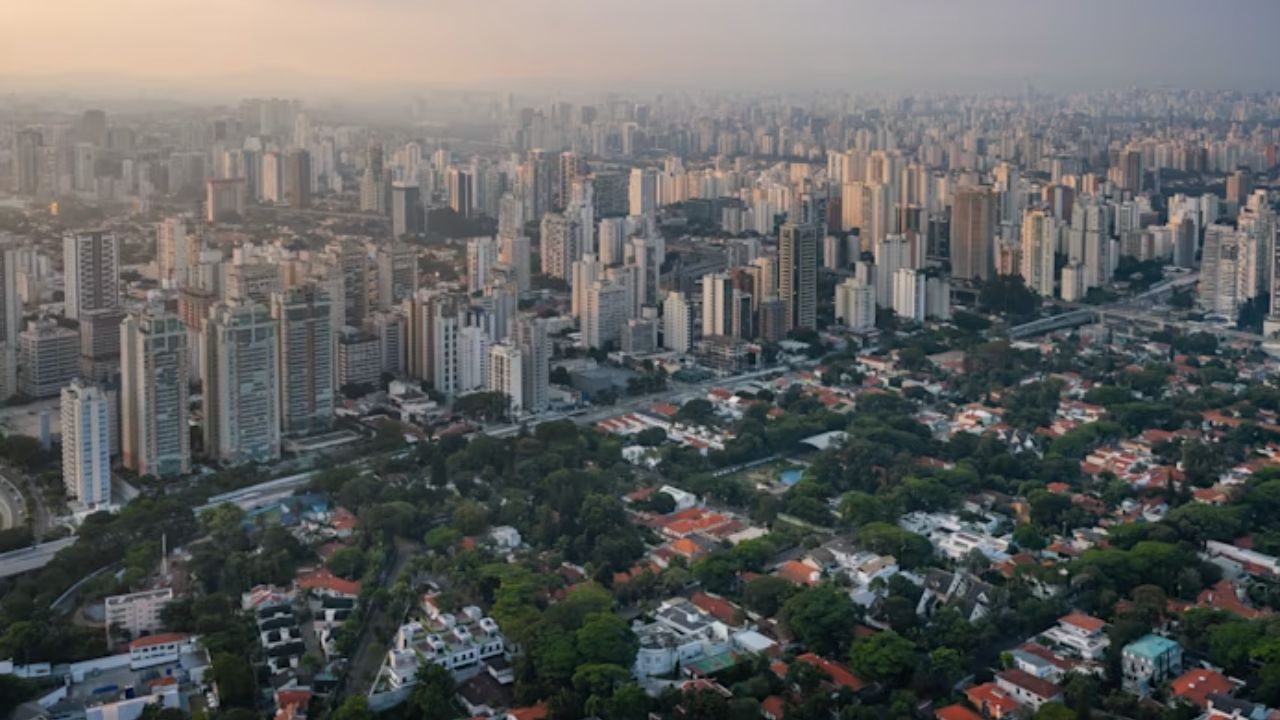


Discover The History Of The Region That Left Warehouses Behind And Today Houses The Most Expensive Rents And The Trendiest Restaurants In The Capital.
The old factory whistle was replaced by the clinking of glasses in modern bars. The smell of metal gave way to the aroma of sophisticated dishes. This is the new reality of Brooklin, a neighborhood in São Paulo that underwent one of the fastest urban transformations in the city. It went from being a forgotten industrial area to becoming a sophisticated gastronomic hub, earning the nickname ‘Paulistano Brooklyn’.
The German Heritage And The Decline Of Factories
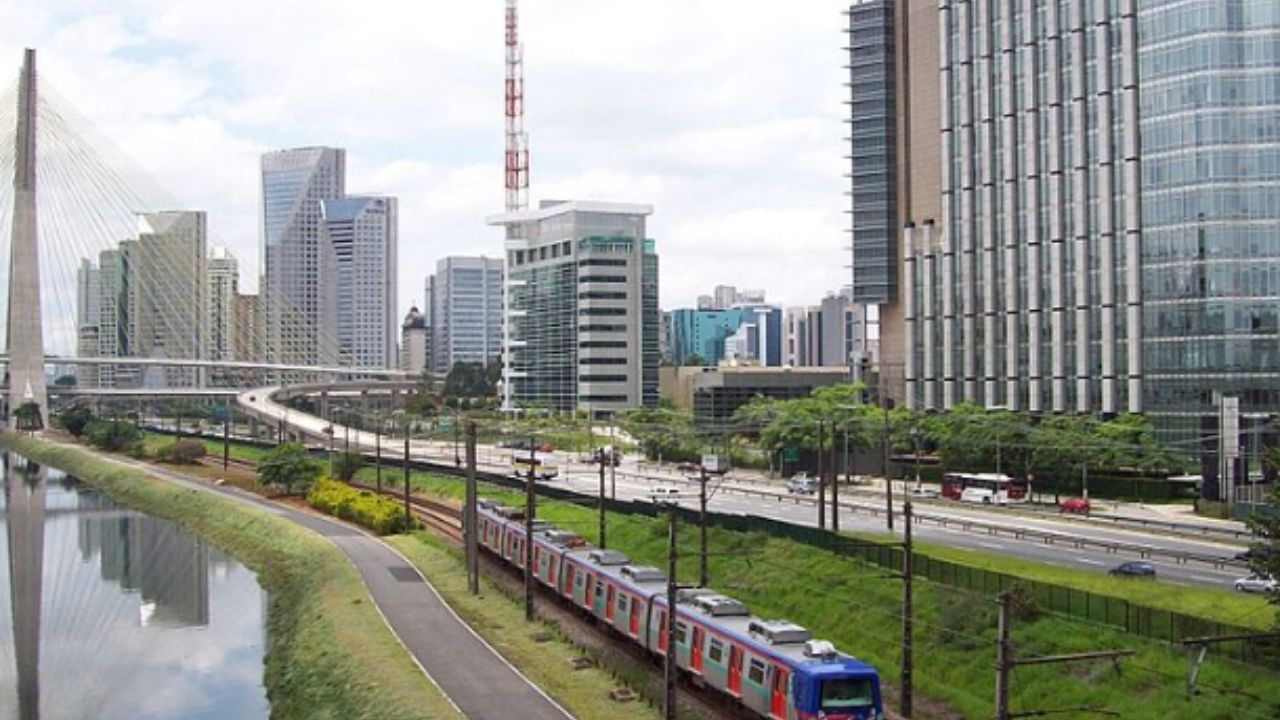
The history of Brooklin began in the early 20th century. In 1922, the region was named “Brooklin Paulista”, inspired by the famous district of New York. At that time, the name represented modernity and industrial progress. The neighborhood developed as an industrial area, attracting many German immigrants.
This German heritage left deep marks. One example is the Maifest, a traditional festival that celebrates German culture and has become a landmark in the region. The landscape was dominated by chimneys and warehouses. Over time, the factories became obsolete or moved away, and the neighborhood fell into decline. Large plots of land became underutilized, such as the site of the former Kibon ice cream factory, a space that would become the center of a radical change.
-
The Frenchman Who Brought the World Cup to Life: Overcoming Resistance and Crossing the Atlantic with the Trophy to Create Football’s Biggest Tournament

-
Archaeologists Reexamine 4,500-Year-Old Tombs in Ancient Mesopotamia, Suggesting Some Early Kings May Have Been Powerful Women
-
The North Face Co-Founder Donates Vast South American Lands to Create National Parks in Patagonia, Turning Private Wealth into Environmental Legacy

-
From Rural Brazil to Global Tech: Entrepreneur Builds a 800-Employee Company with Over $40 Million Annual Revenue in 19 Countries



The New Gastronomic Hub: High-End Flavors And Experiences
The most visible face of the neighborhood’s transformation is its gastronomy. Brooklin has established itself as a sophisticated gastronomic hub, focused on a high-income audience. The restaurants offer a wide variety of specialties but not of prices.
The culinary scene includes everything from contemporary restaurants with refined Brazilian ingredients to charming Italian trattorias. There are also specialized options, such as traditional Argentinian parrillas and premium Japanese restaurants. The nightlife follows the same logic. High-end cocktail bars, craft breweries, and places with “gourmet snacks” create a sophisticated casual environment for a discerning audience.
What Is The True Face Of The “Cool Scene”? An Analysis Of The Gastronomic Hub


Although it is called a “creative hub”, the reality of the neighborhood is different. The main cultural manifestation of the region is still the Maifest, an event that celebrates the heritage of the past, not a contemporary creative scene. There are no records of relevant art galleries, artists’ studios, or independent performance spaces.
The term “creative” in Paulistano Brooklyn has been redefined. The creativity celebrated is not that of the artist, but that of the chef, the mixologist, and the architect. It is a creativity aimed at high-end consumption. In Brooklyn, New York, artists arrived first and capital came later. In São Paulo, capital arrived first and attracted the “creatives” that serve this same capital.
The Most Expensive Neighborhood In São Paulo And The Future Of The Region
All this transformation comes at a high price. In March 2025, Brooklin became the neighborhood with the highest residential rent in São Paulo. The average price per square meter for rent reached R$99.65, after an impressive 15.3% appreciation in just 12 months.
This hyper-appreciation makes it impossible for residents with lower incomes to remain, causing a population replacement process. The future of the neighborhood points toward consolidation as a luxury enclave, an “island of prosperity” for few. The case of Brooklin raises an important debate: is this the model of a city we want for the future or a warning about the creation of neighborhoods that become exclusive products?