






 Portuguese
  Spanish


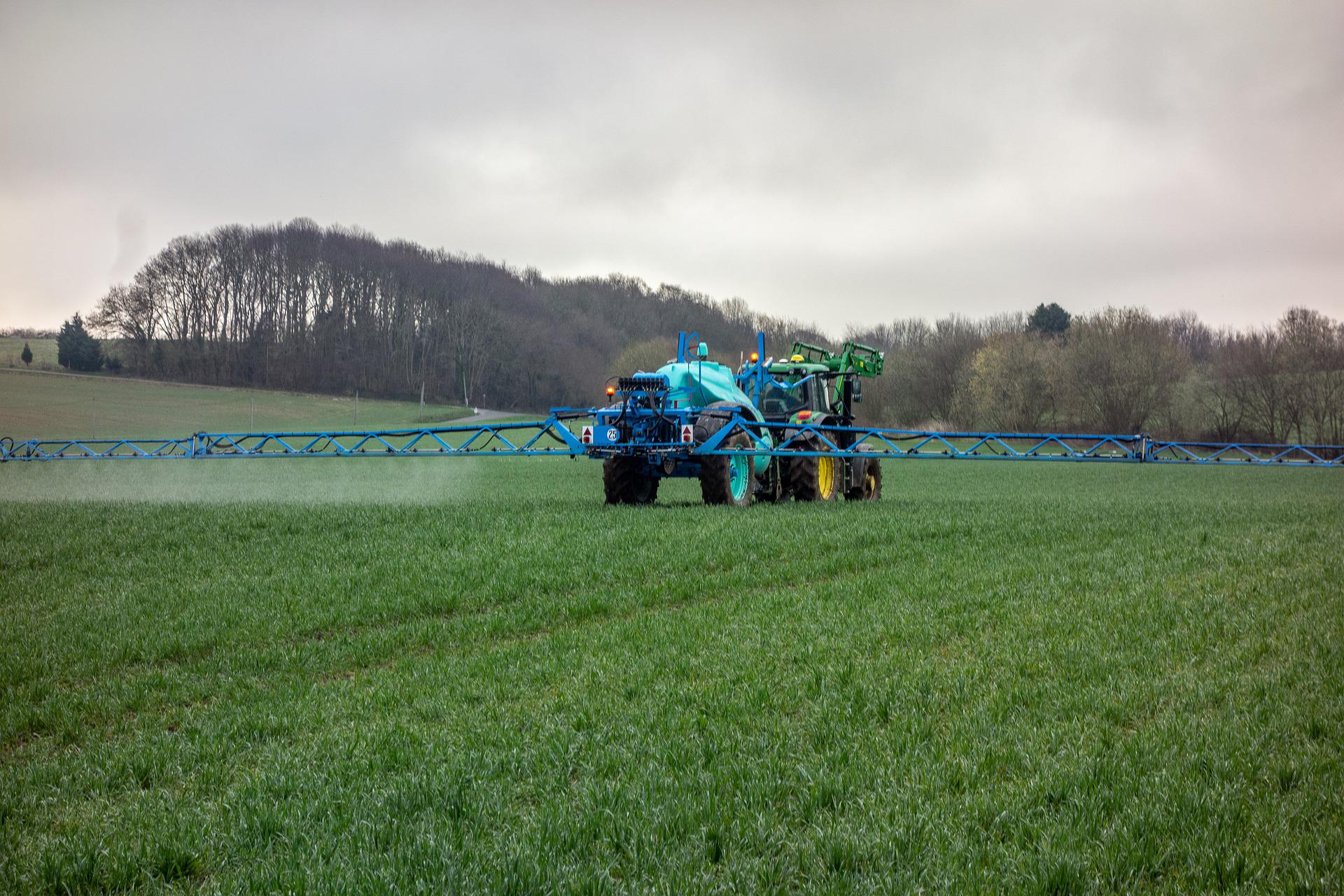
Energy And Fertilizer Production For Agriculture Can Now Be Done Using Human Waste At A Station In Australia
Looking to reduce carbon emissions and save money, Australia has opened a factory that has the capacity to convert human waste into fertilizers for agriculture and clean energy. The entire biosolid gasification system is located at the Loganholme Wastewater Treatment Plant in Logan City, Queensland, in Australia.
The project cost a total of US$ 20 million, about R$ 100 million at the current exchange rate. According to the company’s board, the station has the capability to “blast” human waste with extremely high heat.
The final product of this entire process is odorless biochar. The product can be used for fertilizer manufacturing in agriculture and energy production. “The gasification process involves biosolids (sewage sludge) being dewatered, dried, and treated at high temperatures. The heat generated from the process is then captured and used in the drying phase.” the company highlights.
-
Brazilian scientists are simultaneously advancing two research projects on clean hydrogen and driving solutions that could transform the energy matrix, enhance industrial competitiveness, and accelerate large-scale emission reduction targets.

-
Advancement in renewable energy: A R$ 150 million project launched by Petrobras and Finep aims to create state-of-the-art electrolyzers for green hydrogen, strengthening national research and preparing Brazil to compete in a billion-dollar energy market.
-
Illiterate or semi-literate grandmothers were trained to repair solar systems, open rural workshops, and light up homes that still depended on kerosene.
-
US$ 7 billion, green hydrogen, and steel with up to 95% less CO₂: the first green steel plant on the planet emerges in Sweden and targets Brazil as the next chapter





Before the recycling process for the waste was installed, trucks would take the waste to another location to be reused as low-grade fertilizer. With the new project, the Australian city believes it will have a return of about US$ 1 million.
“The savings from operational costs and carbon credits will bring nearly US$ 1 million annually back to the city of Logan, while a new stream of revenue will be created from the sales of biochar,” stated the company’s board. Furthermore, it is expected that the operation should result in a reduction of up to 6,000 tons of carbon per year.
Using Organic Matter To Produce Energy Is Not New
The idea of reusing organic matter or waste in industrial processes and other initiatives is not new. In February last year, for example, it was announced that a biogas facility was being established on the south coast of England. The facility has the capacity to supply electricity to a factory operated by Danish wind turbine manufacturer Vestas.
Many countries, especially first-world countries, are working to eliminate carbon emissions. However, not everyone is confident that the world is ready to completely abandon fossil fuels.
This week, Bill Winters, CEO of Standard Chartered, claimed that it is ridiculous and naive to believe that we will achieve zero carbon emissions. “Well, first of all, that’s not going to happen, and second, it would be very disruptive. The idea that we can turn off the taps and end fossil fuels tomorrow is obviously ridiculous and naive,” he pointed out.
The CEO was even more controversial by stating that all these changes, like investment in clean energy, would be good for the environment but bad in other ways. “Bad for wars, revolutions, and human life because you would have… wreckage.” He emphasized.





Be the first to react!