Portuguese
  Spanish


More Than 2,000 Workers Were Impacted by One of the Largest Layoffs in the Sugar and Ethanol Sector in Sertãozinho; Union Agreement Secured Essential Benefits After the Announcement of the Suspension of Activities at the Plant.
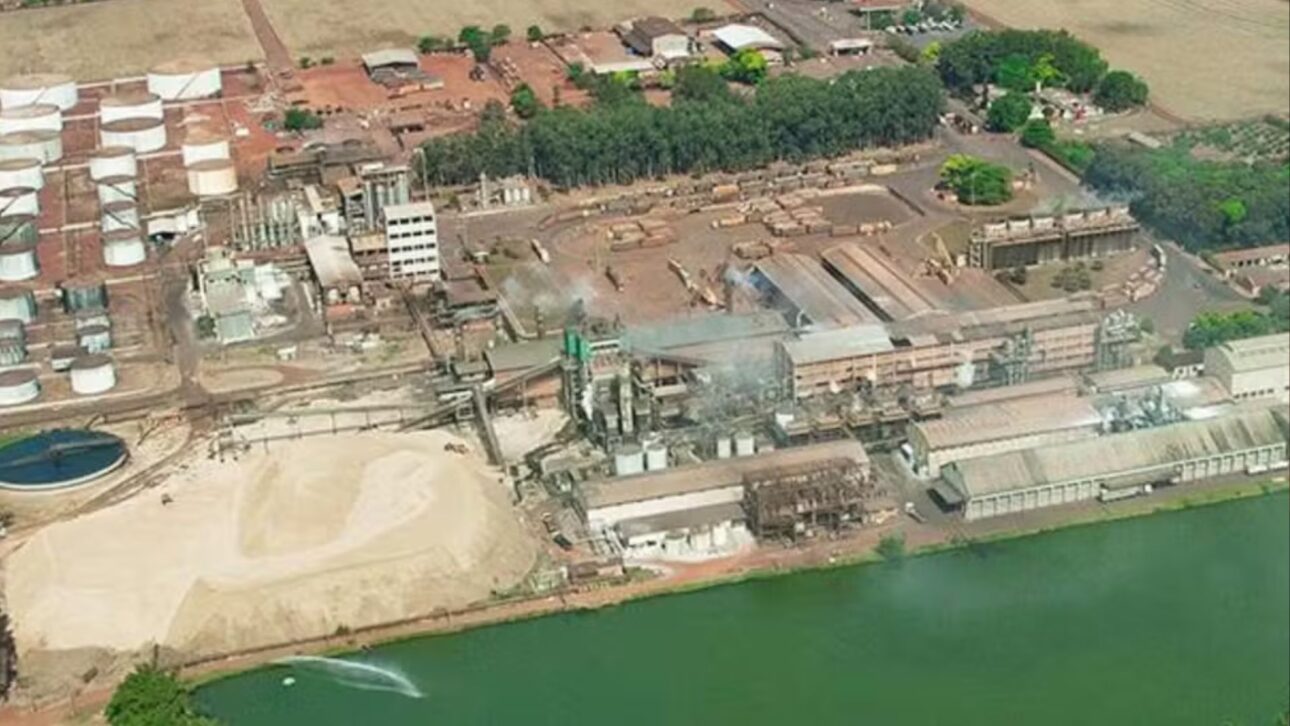
On Wednesday (16), the Union of Workers in the Sugar, Food and Related Industries of Sertãozinho and Region confirmed an unprecedented agreement with Raízen, following the layoff of approximately 2,000 workers linked to the Santa Elisa Plant.
The company had announced, one day earlier, the indefinite suspension of activities at the plant, located in Sertãozinho, São Paulo’s interior.
-
Internship vacancies in 2026: New selection process by ArcelorMittal Tubarão offers scholarships of up to R$ 1,100 for interns and reinforces investments in talent development for the industry, connecting education, technology, and professional development on a large scale.

-
2,653 job vacancies through Sine-RO, with 419 new opportunities this week, 81 openings for apprentices, and Ji-Paraná leading the list of hires in Rondônia
-
46 job openings are available with salaries up to R$ 2,500, benefits such as meal vouchers, medical assistance, and opportunities with no experience required in Cajamar.
-
642 job openings this Wednesday: candidates need to bring original documents, resume, vaccination certificate, and pay attention to the entry rules at the posts in Manaus.


The understanding, formalized after intense negotiations between the union and Raízen representatives, guaranteed these employees the temporary maintenance of essential benefits, in addition to the payment of termination fees and bonuses.
Among the main achievements, the extension of the health plan and dental plan for five months, with no additional cost for the holders and dependents stood out, as well as the maintenance of group life insurance for the same period.
The union, which represents approximately 60% of the affected workforce, highlighted that the package of measures was essential to minimize the social and financial impacts resulting from the mass dismissal by Raízen.
Regional Impacts and Social Consequences
The closure of the Santa Elisa Plant was not limited to Sertãozinho.
The repercussions also extended to neighboring towns like Pontal, Barrinha, and Pitangueiras, located in the same administrative region.
Workers from these localities, many of whom had been active for decades in the sugar-energy hub, were directly affected by the plant’s shutdown and the subsequent mass dismissal by Raízen.
According to data released by the union, a significant portion of these professionals had long-standing ties with the company, raising concerns about reintegration into the local job market.
At that time, Raízen communicated that the measure is part of a restructuring process aimed at the financial balance of the company, which currently ranks among the largest producers and distributors of renewable energy in Brazil.
Sale of Assets and Financial Plan
Another central point of the agreement involved the allocation of resources from the sale of approximately 4 million tons of sugarcane.
The operation, valued at around R$ 1 billion, was carried out as a strategy to reduce the debts accumulated by Raízen in recent years.
According to industry sources, the amount obtained will be fully used to settle financial liabilities, as part of a national restructuring plan for the company.
Raízen, which operates throughout the entire production chain of the sugar and alcohol sector, reinforced in a statement that the decision to temporarily close the plant sought to ensure the long-term sustainability of the group.
However, specialists in regional economics and local public representatives assess that the measure poses a significant challenge for the economy of Sertãozinho and surrounding towns, which have a strong dependence on the sugar and ethanol supply chain for job and income generation.
Union Negotiation and Rights Ensured
The negotiation process between the union and the company was conducted amid strong mobilization of workers.
Daily meetings, assemblies, and public demonstrations marked the days leading up to the closing of the agreement.
Among the items discussed were the extension of assistance benefits, the full payment of termination fees provided by Brazilian labor legislation, as well as extra bonuses as a form of compensation for the collective layoffs.
In the realm of assistance, the extension of the health plan and dental plan was seen as a significant achievement given the vulnerability of former employees and their families.
The group life insurance, maintained for the same period, was also highlighted by the union as one of the main guarantees obtained in the agreement.
Effects on the Economy and the Sector
The mass dismissal promoted by Raízen occurs at a time of intensifying challenges for the national sugar-energy sector.
Despite the partial recovery in sugar and ethanol prices in recent years, international competitiveness, combined with modernization of processes and the pursuit of greater operational efficiency, has led various companies to adopt similar measures.
In Sertãozinho, a city with approximately 125,000 inhabitants, the closure of the plant represents a significant loss for the job market and local revenue.
According to specialists, the sugarcane agribusiness chain accounts for a large part of Sertãozinho’s economy, driving sectors such as transportation, commerce, services, and family farming.
The impact of the layoffs tends to affect not only the former employees but the entire socioeconomic dynamics of the region.
Outlook for Workers
With the agreement signed between the union and Raízen, the expectation is that the emergency measures will reduce some of the immediate impacts, especially for those who relied exclusively on employment at the Santa Elisa Plant.
However, representative entities and specialists point out that the professional reintegration of these workers should be closely monitored by public bodies, the private sector, and qualification and social support initiatives.
Amid the national repercussions on the subject, the episode rekindles the debate regarding the social responsibilities of large agribusiness companies, as well as the need for public policies for job and income generation in regions highly dependent on monoculture activities.
In light of this scenario, what would be the best strategy to ensure the protection of workers in sectors subject to abrupt economic restructuring?