Portuguese
  Spanish


Tool created by scientists at Utrecht University allows you to enter any location on the planet and track how its latitude has changed over the past 320 million years, revealing the invisible journey of the ground where houses, cities, and backyards stand today
A new digital tool allows you to discover how anyone’s backyard has shifted in latitude over 320 million years, revealing the journey of lands that traveled thousands of kilometers before reaching their current position on the planet.
The site paleolatitude.org was developed by an international team of Earth scientists led by Douwe van Hinsbergen, professor of global tectonics and paleogeography at Utrecht University in the Netherlands. The platform uses the Utrecht Paleogeographic Model to reconstruct the movement of tectonic plates since the time of the supercontinent Pangea.
By entering a location on the site, the user sees a graph on the left side of the screen. The blue line shows how the latitude of that point has changed over millions of years, with the age indicated on the horizontal axis and the latitude on the vertical axis.
-
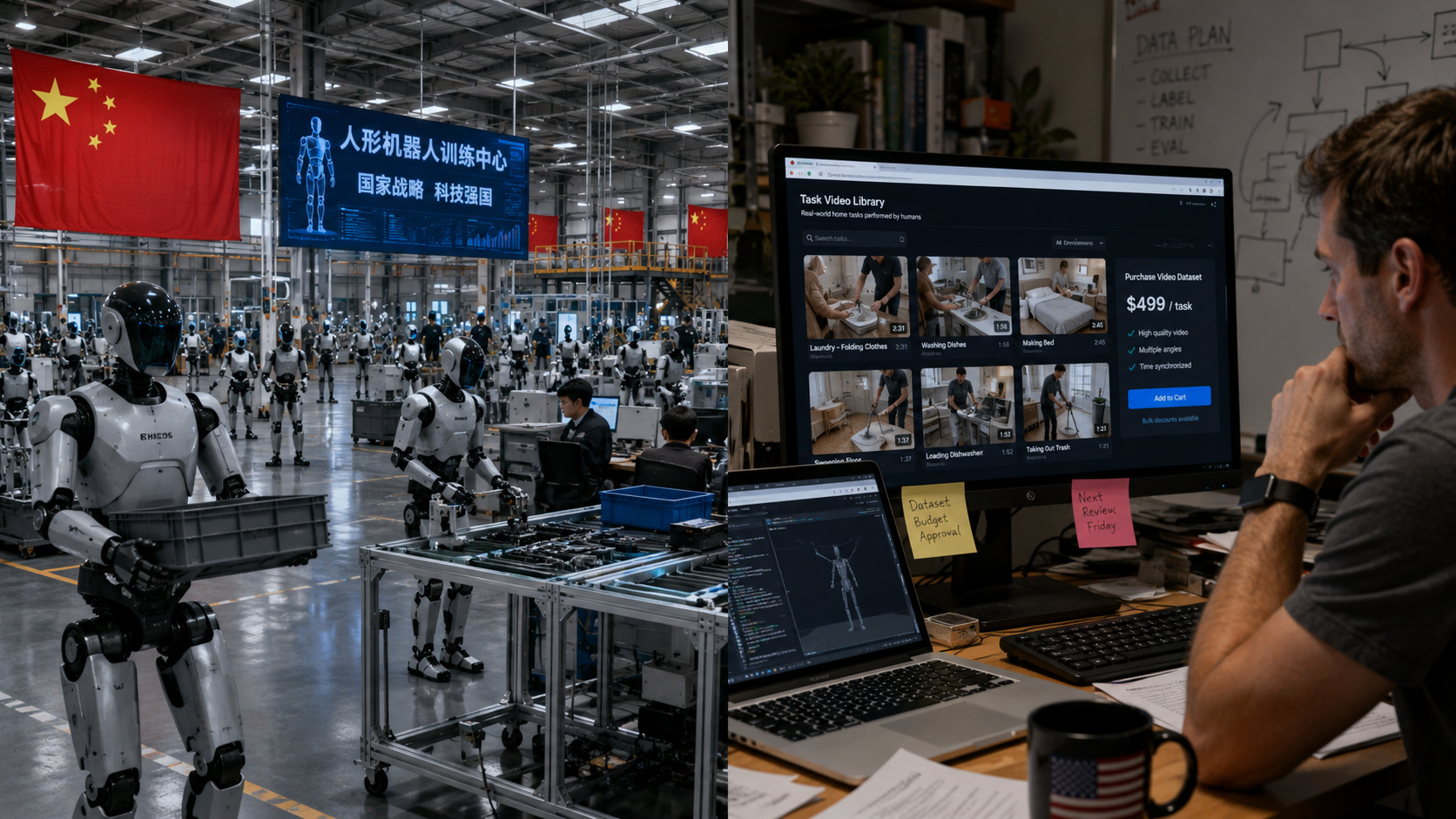
China Establishes State Centers to Train Humanoid Robots, While the West Lags Behind with Makeshift Solutions

-
The Trap of Modern Technology: How Screen Overload and Digital Connections Can Impact Your Mental Health and Well-being
-
Wyoming Couple Grows Tropical Fruits Year-Round in -40°C Using Geothermal Greenhouse, Demonstrating Earth’s Heat Can Produce Oranges and Lemons in Snow Without Traditional Heating

-
Ship Returns from Brazilian Coast with Thirty Newly Discovered Life Forms


The tool does not show changes in longitude, related to east-west movement, nor does it present an animation of the point traveling around the world. Nevertheless, it allows you to track how a place moved north or south during the deep history of the Earth.
Backyard can reveal journey from Pangea
Between about 320 million and 200 million years ago, North America was contiguous with Africa, South America, and Europe. These blocks formed Pangea, a single continent that preceded the current world map configuration.
Then, a three-pronged rift separated Africa, South America, and North America. This process created a volcanic rift zone, with powerful eruptions caused by magma passing through the weakened crust.
The eruptions released ash and volcanic debris as the continents drifted apart. The gaps opened between them gave rise to the Atlantic basin, which continued to expand over millions of years.
Van Hinsbergen told Gizmodo that it took 10 years of work to create the tool. The researcher hopes that paleolatitude.org will spark interest in paleogeography and aid studies in different scientific areas.
Model was refined with deformed regions
A decade ago, van Hinsbergen and his colleagues had already created a tectonic reconstruction for the main plates. However, the model did not include intensely deformed regions, such as the Caribbean, Himalayas, and Mediterranean.
These areas hold relics of plates that once existed on the Earth’s surface but have entered the mantle. The new reconstruction details these regions and allows for the correlation of rocks to the plates where they originally formed.
With this, researchers can trace the latitudinal journeys of these rocks through deep time. The current backyard of a city, therefore, may have occupied a very different climatic position in the past.
Tool aids ancient climate and fossils
The platform is expected to assist paleoclimatologists, who reconstruct ancient climates using geological samples. Since latitude influences the angle of solar rays and regional climate, locating rocks in the past is essential.
In the Netherlands, geoscientists from Utrecht study characteristics from 245 million years ago associated with a climate similar to the current Persian Gulf, with a desert near a tropical sea.
The tool can also help paleontologists analyze biodiversity, extinctions, and refuges at different latitudes. Van Hinsbergen hopes to create maps showing fossilized species in relation to the moving continents.