Portuguese
  Spanish


BRICS Expanded Its Power and Threatens the Hegemony of the U.S. Trump Wants to Retaliate with Aggressive Tariffs, but It Might End Up Strengthening the Bloc Even More.
The Expansion of BRICS in January 2024 Represented One of the Most Significant Moments in Recent Geopolitics.
The Inclusion of Six New Members — Saudi Arabia, Argentina, Egypt, United Arab Emirates, Ethiopia, and Iran — Increased the Economic and Strategic Weight of the Bloc, Making It an Even More Relevant Force on the Global Stage.
Brazil, Under the Presidency of Luiz Inácio Lula da Silva, Plays a Key Role in This New Phase of the Group, Strengthening Trade Ties and Advocating for a Multipolar Financial System, Less Dependent on the Dollar.
-
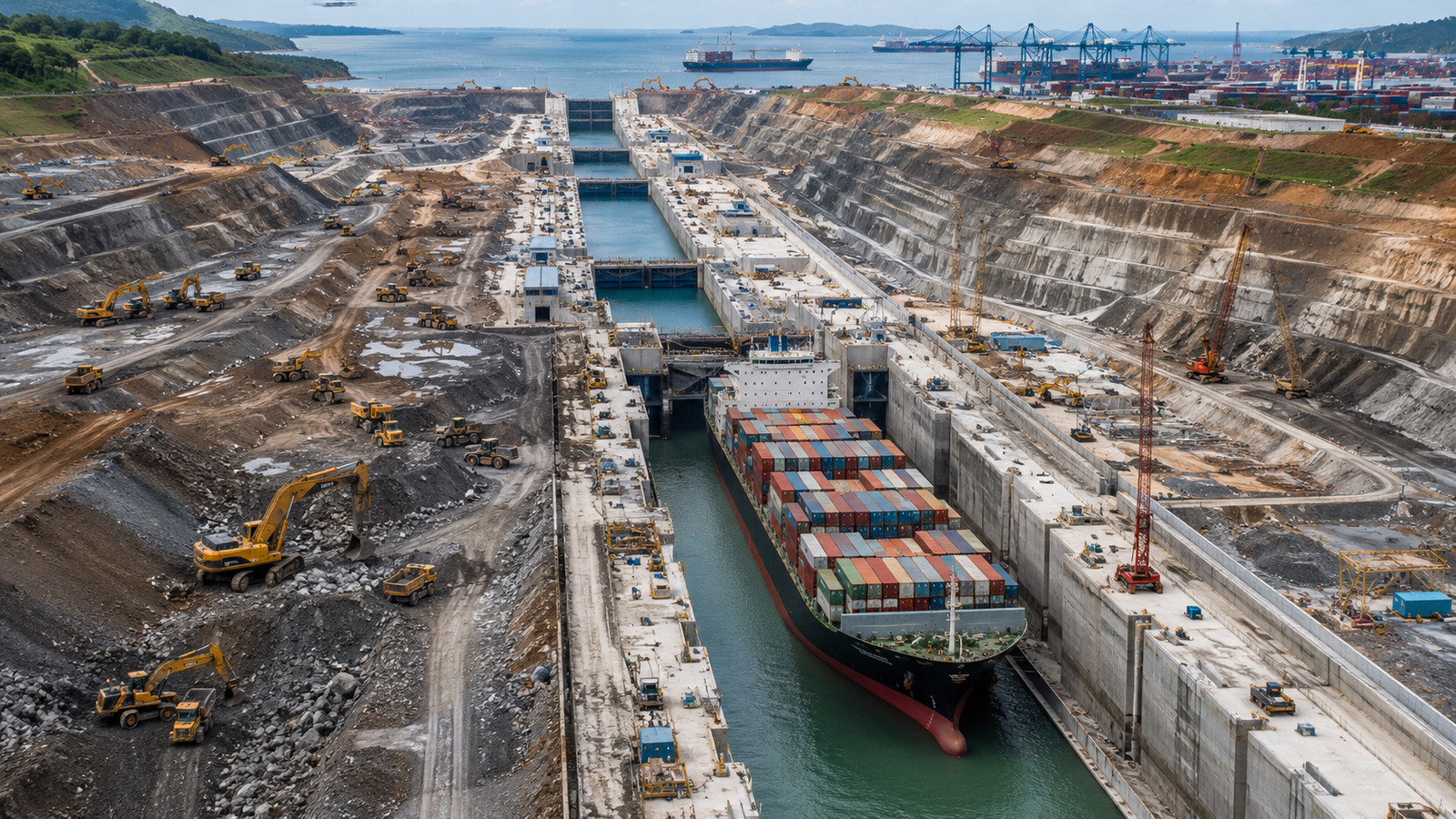
China wants to impress the world once again with a mega canal featuring giant locks, deep waters, and space for the largest ships, in a project aimed at shortening journeys, reducing queues, and rivaling the Panama Canal in global trade.

-
Brazil saved US$ 32.4 billion in 2025 by switching from fossil to renewable energy and only ranked behind China and the United States on the IRENA global podium.

-
A company from SC that moves R$ 125 billion in agribusiness is integrated into an international group, maintains its headquarters and jobs in Chapecó, and is preparing to expand software for cooperatives, grain companies, and industries while targeting new markets without leaving the western region of Santa Catarina.
-
Portugal “hides” gold reserves of 382 tons valued at 47 billion euros in an armored building, and the story involves gold from colonial Brazil, Nazi Germany, and a fortune that once amounted to 866 tons.




In Contrast, the United States, Led by Donald Trump, Adopts an Aggressive and Protectionist Stance in Response to the Growth of BRICS.
Recently, Trump Threatened to Impose Tariffs of Up to 100% on Imports from Countries in the Bloc, If They Advance in Plans to Replace the Dollar in International Transactions.
According to Him, the U.S. Will Not Stand by “With Their Arms Crossed” in the Face of This “Threat” to the Dollar’s Hegemony.
However, the Reality May Be Much More Complex and Challenging Than Trump Imagines.
The New BRICS and Its Growing Economic Power
With the Entry of the New Members, BRICS Represents More Than 45% of the World’s Population and a Combined GDP Exceeding 30 Trillion Dollars.
In Addition, with the Inclusion of Major Oil Exporters Such as Saudi Arabia, United Arab Emirates, and Iran, the Bloc Strengthens Itself in the Energy Market, Traditionally Dominated by Transactions Made in Dollars.
This Dynamic Directly Challenges the Monopoly of the American Currency and Reinforces the Possibility of Adopting Local Currencies for International Trade.
China and Russia, Influential Members of BRICS, Are Already Advancing in Bilateral Agreements to Trade in Yuan and Ruble, Reducing Dependence on the Western Financial System.
Brazil, Under Lula’s Leadership, Also Advocates for Creating Mechanisms Allowing Transactions Without Mediation of the Dollar, Which Could Significantly Impact the Global Economy.
The Threat of Trump and Its Potential Effects
Trump’s Strategy to Impose Exorbitant Tariffs Against BRICS May Have Unintended Consequences for the United States Itself.
Firstly, a Large-Scale Trade War Could Harm American Industrial Sectors That Depend on Inputs and Raw Materials from These Countries.
Moreover, Many of America’s Historical Allies, Such as the European Union, Have Shown Interest in Diversifying Their Trade Relations to Reduce Exposure to Washington’s Unpredictable Foreign Policy.
Furthermore, If Trump Really Implements Massive Tariffs, He May Further Boost BRICS’s Efforts to Strengthen Its Internal Ties and Accelerate the Transition to a Financial System Less Dependent on the U.S.
Such Action Could Lead Affected Countries to Seek Alliances with Other Nations and Further Foster Economic Multipolarity.
The Role of Brazil and Lula in the New Global Order
Since Resuming the Presidency, Lula Has Taken an Active Stance in Global Diplomacy, Strengthening Brazil’s Relations Within BRICS and Expanding Strategic Partnerships with Different Regions of the World.
Brazil Holds Significant Weight in Global Food Security, Being One of the Largest Exporters of Commodities Such as Soybeans, Meat, and Iron Ore.
This Position Places the Country as a Relevant Actor in Any Global Trade Conflict.
Moreover, Lula Has Openly Advocated for Greater Cooperation Among Developing Countries, Promoting Investments in Infrastructure, Technology, and Clean Energy Within BRICS.
He Also Emphasizes the Need to Reform International Organizations, Such as the IMF and the World Bank, Which Currently Favor Developed Economies at the Expense of Emerging Nations.
The Future of the Dispute Between BRICS and the United States
Given This Scenario, Trump’s Attempt to Weaken BRICS May Prove Ineffective and Counterproductive.
The Growth of the Bloc Is Not Just a Political Issue But Also a Reflection of Structural Changes in the Global Economy.
Emerging Nations Are Seeking Viable Alternatives to Ensure Greater Economic Autonomy, and Punitive Measures by the U.S. May Only Accelerate This Process.
The Success of BRICS Will Depend on Its Ability to Maintain Cohesion Among Its Members and Overcome Internal Challenges, Such as Political Differences and Diverging Interests.
However, If It Can Solidify Its Influence and Establish Effective New Financial Mechanisms, the Bloc Could Become a Fundamental Pillar of the New Global Order, Reducing the Unilateral Power of the United States.
According to Experts, The Expansion of BRICS and Its Growing Economic Integration Represent a Real Challenge to American Hegemony.
In This Sense, While Trump Believes That Tariffs and Economic Threats Will Be Enough to Contain the Bloc, Reality Suggests That Defeating BRICS Will Be Much More Difficult Than He Imagines.
The World Is Moving Toward Economic Multipolarity, and Countries Like Brazil, China, and Russia Are Becoming Increasingly Prepared to Deal with External Pressures and Build a New Global Dynamic.
Brazil, Under Lula’s Leadership, Occupies a Central Position in This New Landscape, Consolidating Ties Within BRICS and Promoting Alternatives to the Financial System Dominated by the West.
In Any Case, Analysts Highlight That, in an Ever More Interconnected World, Trump May Discover That Threats Are Not Enough to Halt a Change That Is Already Underway.