






 Portuguese
  Spanish
  3 min of reading
  0 comments


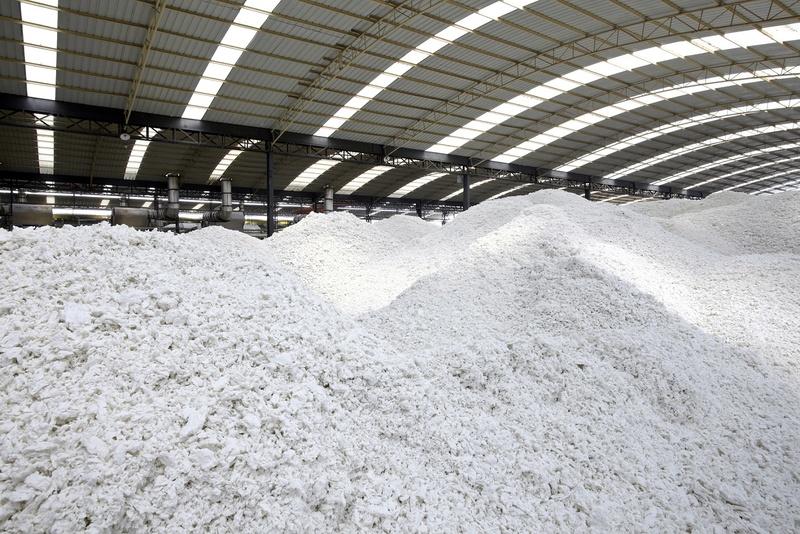
The Rise in Pulp Prices Challenges Paper Companies in Brazil to Adopt Strategic Partnerships, Sustainable Technologies, and Efficient Planning to Maintain Competitiveness.
The increase in pulp prices is putting the paper industry in Brazil in a challenging situation. Companies in the sector need to adopt strategic partnerships and sustainable technologies to absorb the additional costs. With adjustments ranging from US$ 30 to US$ 80, efficient planning is essential to ensure the industry’s competitiveness without passing these costs on to the final consumer.
Many industries are investing in alternatives such as using cellulosic raw materials from more economical and renewable sources. In addition, optimizing processes and reducing wood fiber waste can be a viable solution. It is crucial for paper companies to continuously adapt their strategies to face fluctuations in pulp prices and maintain stable performance. These actions are fundamental to ensuring sustainability and profitability in the long term, even in times of price instability.
According to an analysis by Bradesco BBI, despite new increases being halted in June, there is no expectation of a significant decline in prices per ton worldwide. To maintain competitiveness and cope with high prices, companies in the sector need to find innovative ways to absorb these costs without passing them on to the final consumer.
-
Brazilian Joins Homeownership Consortium, Faces Decade of Dual Payments Totaling $141,000, Surpassing Traditional Mortgage

-
Land Rover to Halt Production in July, Putting 371 Jobs at Risk, as Chinese Automaker Negotiates to Convert Factory to 100,000 Vehicles Annually by 2027

-
Bolivian Female Construction Workers Form Association to Combat Discrimination and 38% Pay Gap in the Industry
-
Mexican Pest Threatens U.S. Cattle Herds at Historic Lows, Potentially Boosting Brazilian Beef Exports as Burger Prices Soar


Ripz’s Strategies to Maintain Competitiveness
Ripz, a company specialized in hygiene papers based on the coast of Paraná, has implemented several effective strategies. One of them involves optimizing internal processes to increase efficiency and reduce waste. Furthermore, they have strengthened strategic partnerships with suppliers, ensuring better purchasing conditions. These actions are essential to tackle the challenges posed by rising costs.
Investments in More Sustainable Technologies
The company has also directed its efforts toward more sustainable and efficient technologies, resulting in a reduction of about 50% in the amount of waste generated. Almost 100% of the energy used is sustainable, generating savings in the production process and aligning the company with sustainability practices. This demonstrates Ripz’s commitment to operating in an environmentally responsible manner.
Quality and Strategic Planning
By reviewing processes and investing in sustainability, it was possible to absorb part of the cost increases without compromising product quality. Rafael Rieper, CEO of Ripz, emphasizes: ‘By reviewing our processes and investing in sustainability, we managed to absorb part of the cost increases without compromising the quality of our products‘. Another measure adopted by the company was a strategic inventory plan, purchasing raw materials at the most favorable times to avoid price spikes, thus ensuring more efficient management.
Pulp: Smart and Sustainable Choice
The question of choosing another cellulosic raw material is challenging. ‘Because it is made from natural fibers, 100% pulp paper is easily decomposed, making it a smart choice for consumers and companies looking to reduce their environmental impact without sacrificing quality’, explains Rieper. In this context, pulp provides environmental benefits and is sustainable.
Advantages of Pulp in the Final Product
100% pulp paper not only minimizes environmental impact but also offers excellent strength and a soft touch, perfect for all hygiene needs. This material, derived from wood fiber, continues to be a preference due to its unmatched advantages. Ultimately, pulp proves to be an essential cellulosic raw material in the production of paper pulp, ensuring the quality and sustainability of the final products.
Source: © Fernanda Glinka





Be the first to react!