





 Portuguese
  English
  Spanish
  5 min of reading
  0 comments


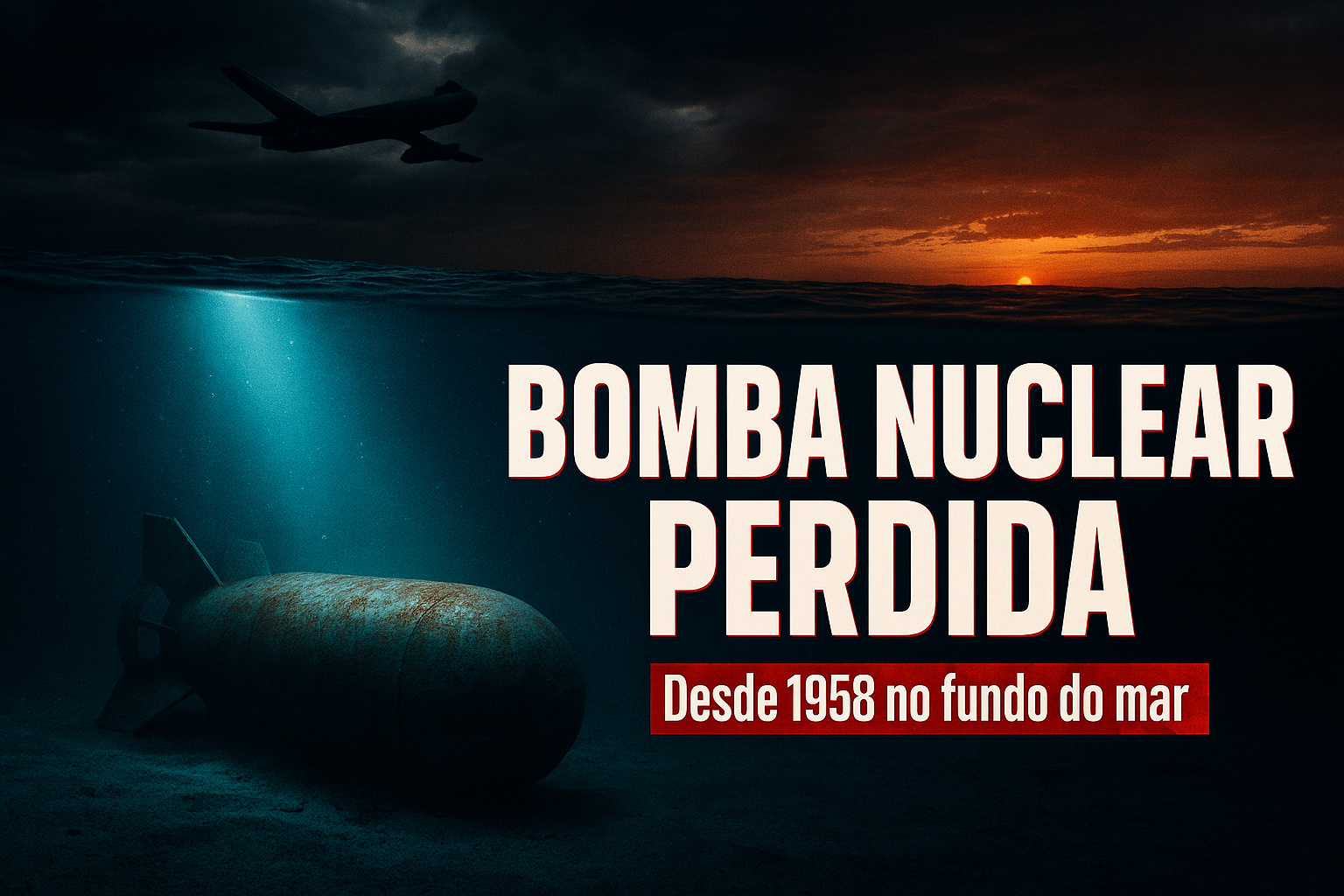
In 1958, A Mark 15 Nuclear Bomb Was Dropped in the Sea Near Tybee Island After a Mid-Air Collision and Has Never Been Recovered.
On February 5, 1958, during the height of the Cold War, a strategic bomber B-47 Stratojet of the United States Air Force collided with a fighter jet F-86 Sabre during a nighttime interception exercise off the coast of Georgia. The aircraft was carrying a thermonuclear Mark 15 nuclear bomb. To reduce weight and ensure a safe emergency landing, the crew dropped the device into the ocean, near Tybee Island.
The object has never been recovered.
The incident became known as a “Broken Arrow” incident, a term used by the U.S. Department of Defense for accidents involving nuclear weapons that do not result in a nuclear detonation or acts of war.
-
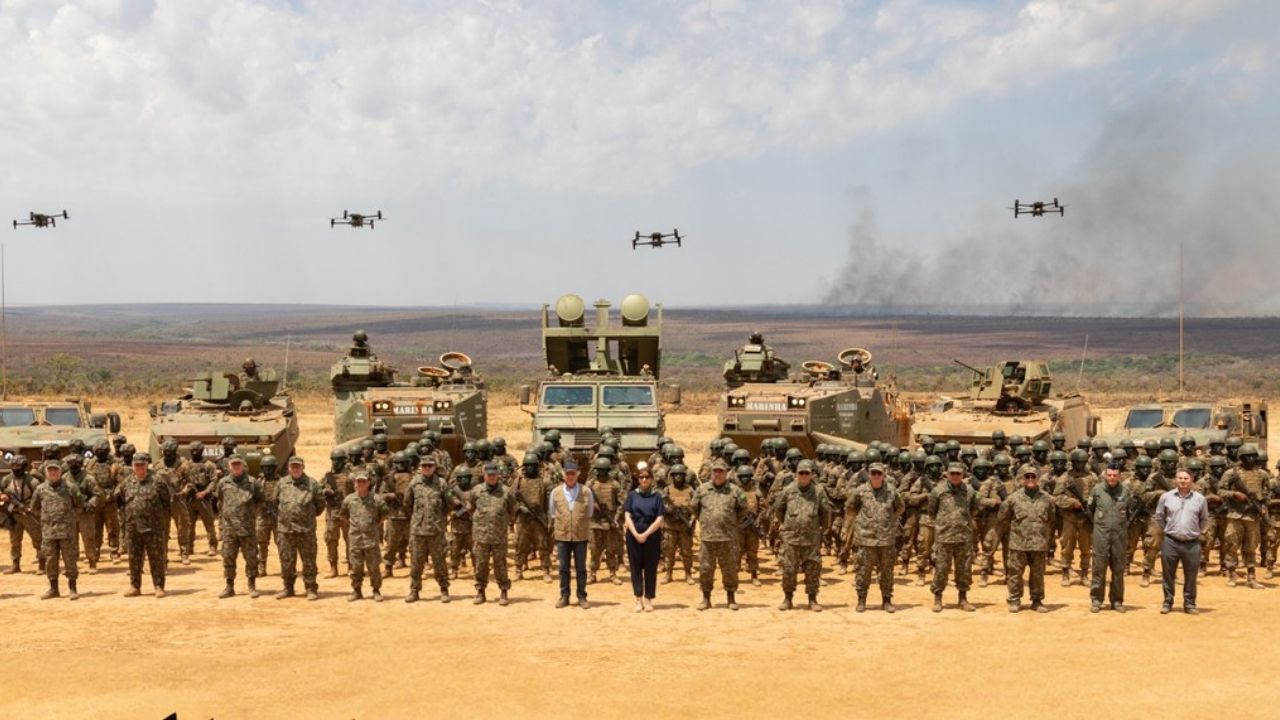
Operation Atlas gathered 2,500 marines, armored vehicles, helicopters, fighter jets, anti-tank missiles, and kamikaze drones in a demonstration of firepower in the Cerrado, while the Navy, Army, and Air Force tested coordinated actions in a tactical scenario presented to the Minister of Defense.

-
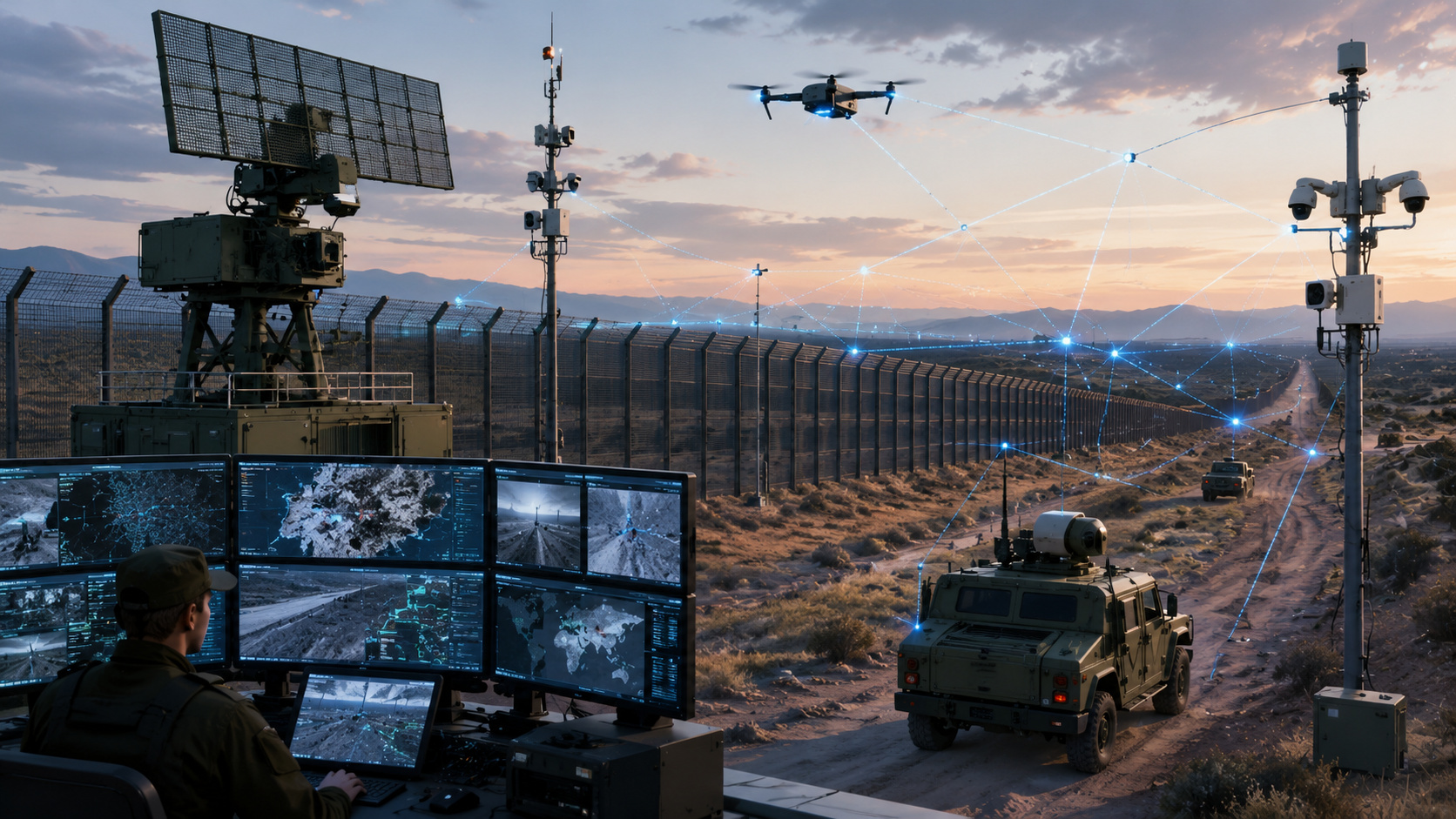
Brazil erects a digital wall along 16,886 km of borders with 10 countries, using sensors, radars, military communications, and the Army’s decision-making system to protect one of the largest land stretches on the planet and showcase the technological strength of national defense.

-
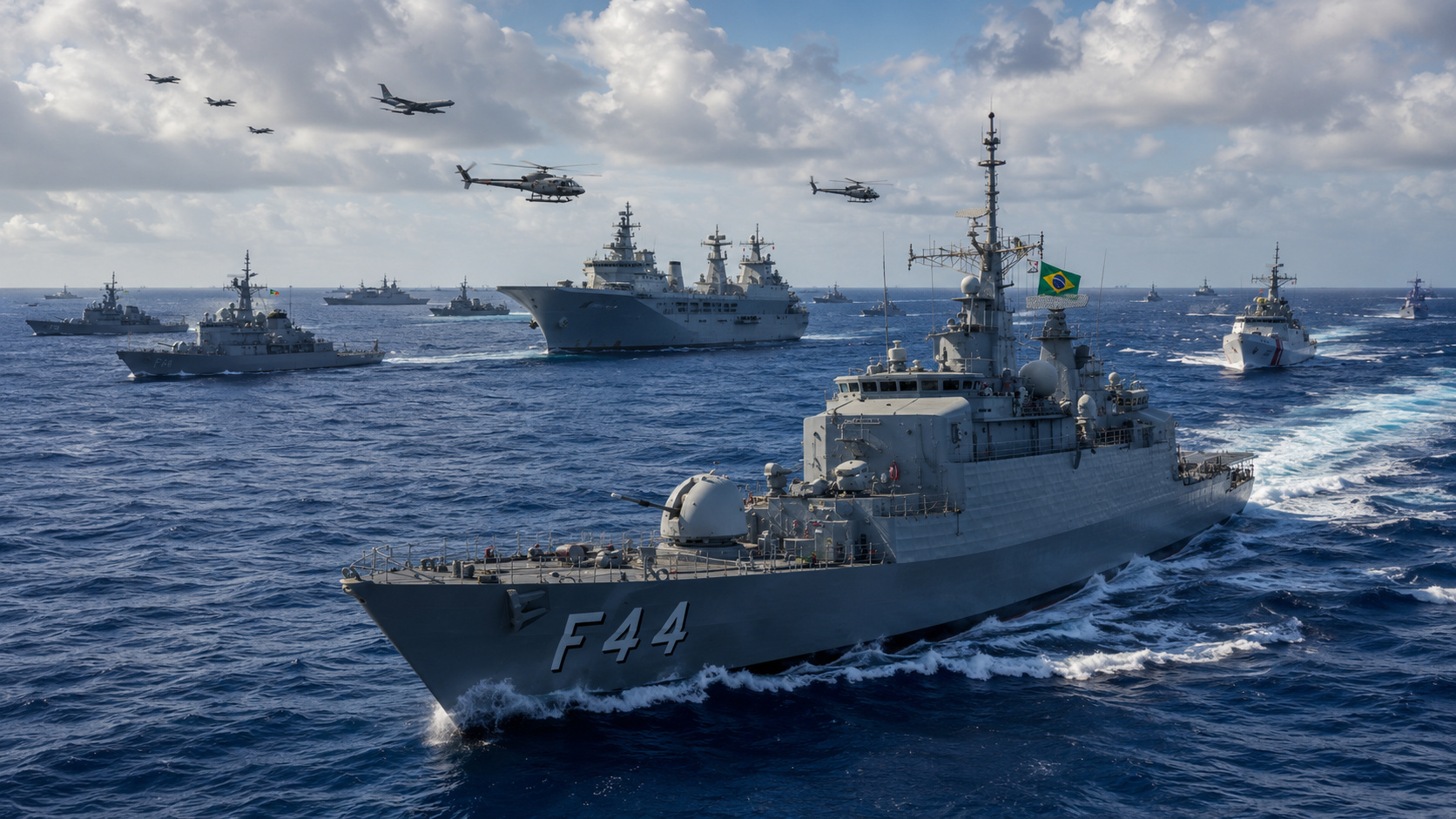
Brazilian warship crosses the North Atlantic on a historic 85-day mission, sailing alongside more than 60 warships, aircraft, and amphibious troops, heading to the largest naval review in U.S. history with over 100 military vessels, and carries the Brazilian Navy flag to the celebrations of the 250th anniversary of American Independence.
-
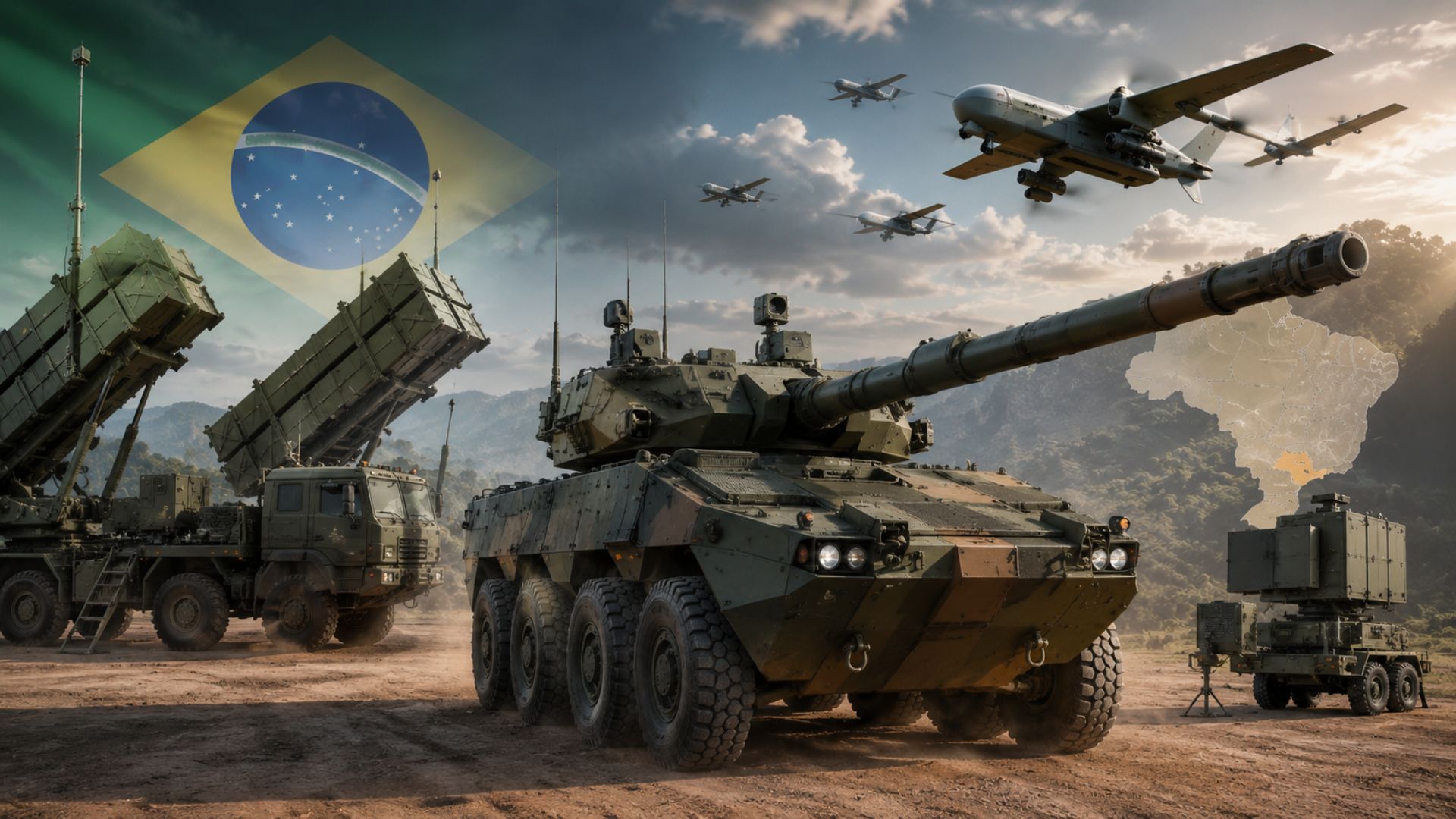
The Brazilian Army is about to finalize one of the largest military purchases in recent years with Italy, consisting of 96 Centauro 2 armored vehicles with 120 mm cannons and three anti-aircraft batteries unprecedented in the country, including armed drones under negotiation.

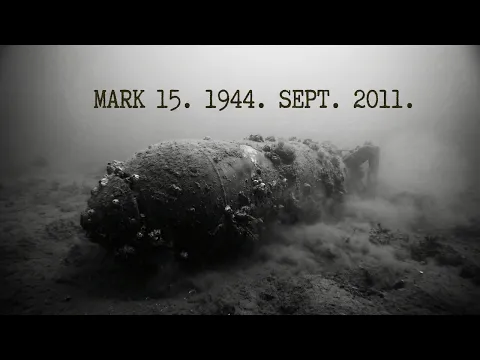
More than six decades later, the bomb remains officially missing.
The Strategic Context of the Cold War and the Arrival of the Mark 15 Nuclear Bomb
The year 1958 marked a period of maximum tension between the United States and the Soviet Union. The American military doctrine was based on nuclear deterrence, supported by strategic bombers armed with thermonuclear weapons ready for rapid response.
The B-47 Stratojet was a central part of this machinery. Designed for high-altitude, long-range flights, it could carry nuclear bombs like the Mark 15. These aircraft conducted constant training missions to maintain operational readiness.

The exercise that night simulated air interception. During the maneuver, the F-86 collided with the bomber. Although the fighter was lost, the B-47 remained flyable but sustained structural damage.
The commander decided that landing with the artifact on board would increase the risk of a conventional explosion in the event of a crash. The solution was to drop the bomb into the sea before proceeding to Hunter Air Force Base in Savannah.
What Was the Mark 15 Nuclear Bomb
The Mark 15 was a thermonuclear weapon developed in the early 1950s. It was one of the first operational hydrogen bomb models of the United States.
The device was approximately 3.7 meters long and weighed over three tons. It was designed for strategic air detonation.
There are discrepancies in documentation regarding whether the bomb was fully armed at the time of the drop. Air Force documents indicate that it did not have the nuclear core installed, which would prevent a full thermonuclear explosion. However, it contained high-yield conventional explosives, part of the detonation mechanism.
This technical detail is central to the debate that continues to this day.
The Searches That Never Found the Artifact
After the incident, search operations were conducted by the Navy and the United States Air Force. The estimated drop area was scoured with technology available at the time.
The problem was inaccuracy.
The drop occurred at night, under operational stress, with approximate position estimates. The bomb likely sank quickly and became buried under marine sediments in the coastal area.
The searches were called off weeks later, without success.

Subsequent investigations, including in the 2000s, used radiation sensors and modern equipment. Some independent researchers claimed to have detected anomalies consistent with the artifact, but no location was officially confirmed.
To this day, the exact position remains unknown.
What Does “Broken Arrow” Mean
The term “Broken Arrow” designates accidents involving nuclear weapons that do not result in a nuclear detonation or imminent risk of war.
During the Cold War, there were various incidents classified this way. Some involved aircraft crashes, others fires in silos or collisions.
The Tybee Island case is one of the most emblematic because it involves an artifact that remains missing.
It also illustrates a little-discussed aspect of the Cold War: the constant risk associated with maintaining an operational nuclear arsenal in peacetime.
Is There Environmental Risk Today from the Mark 15 Nuclear Bomb?
American authorities maintain that there is no significant risk to the population.
If the bomb truly did not contain an installed nuclear core, the radiological risk would be minimal. Still, the presence of conventional explosives and potential secondary radioactive components keeps the debate alive among experts.
The coastal area of Tybee Island is frequented by fishermen and tourists. Periodically, the case resurfaces in the media, reigniting questions about transparency and safety.
So far, there is no record of proven contamination linked to the incident.
What the Case Reveals About the Nuclear Age
The 1958 episode was not an isolated event. It symbolizes a phase in history when nuclear weapons were regularly in operation.
Armed bombers flew over allied territories and coastal areas in continuous exercises. The strategic logic was to maintain immediate response capacity against the Soviet Union.
This operational model involved calculated but real risks.
The disappearance of the Mark 15 demonstrates how the nuclear deterrence infrastructure relied on complex procedures, limited technology, and human decisions made under extreme pressure.
A Mystery That Spans Decades
More than 65 years later, the bomb remains officially missing. There is no visible mark in the ocean. There is no monument at the site. There has been no formal recovery of the artifact.
The story remains recorded in military reports and declassified files, but the physical object remains invisible beneath the seafloor.
The case of the Mark 15 at Tybee Island is not just a historical curiosity. It represents a concrete reminder of how the Cold War operated in practice: with ready arsenals, constant training, and silent risks that, at times, remain buried forever.
As global tensions change form and new strategic systems come into play, the missing bomb from 1958 continues to serve as a submerged vestige of an era when nuclear balance relied on decisions made in seconds.
And, at some point on the sea floor off Georgia, the Mark 15 remains where it was left.









Be the first to react!