






 Portuguese
  Spanish


1.5 Million-Year-Old Antarctic Ice Is Studied in the United Kingdom and Promises to Reveal Crucial Information About Climate and Planet Health!
With a glassy appearance and crystalline structure, the ice core is a true natural time capsule. It was extracted from the depths of Antarctica, where the extreme cold preserved, intact, millennia-old atmospheric records.
According to scientists from the British Antarctic Survey, these samples could revolutionize current climate knowledge.
Every centimeter of the block hides traces of past eras: ashes from volcanic eruptions, ancient dust, air bubbles, and even diatoms, microalgae that lived in ancient oceans.
-
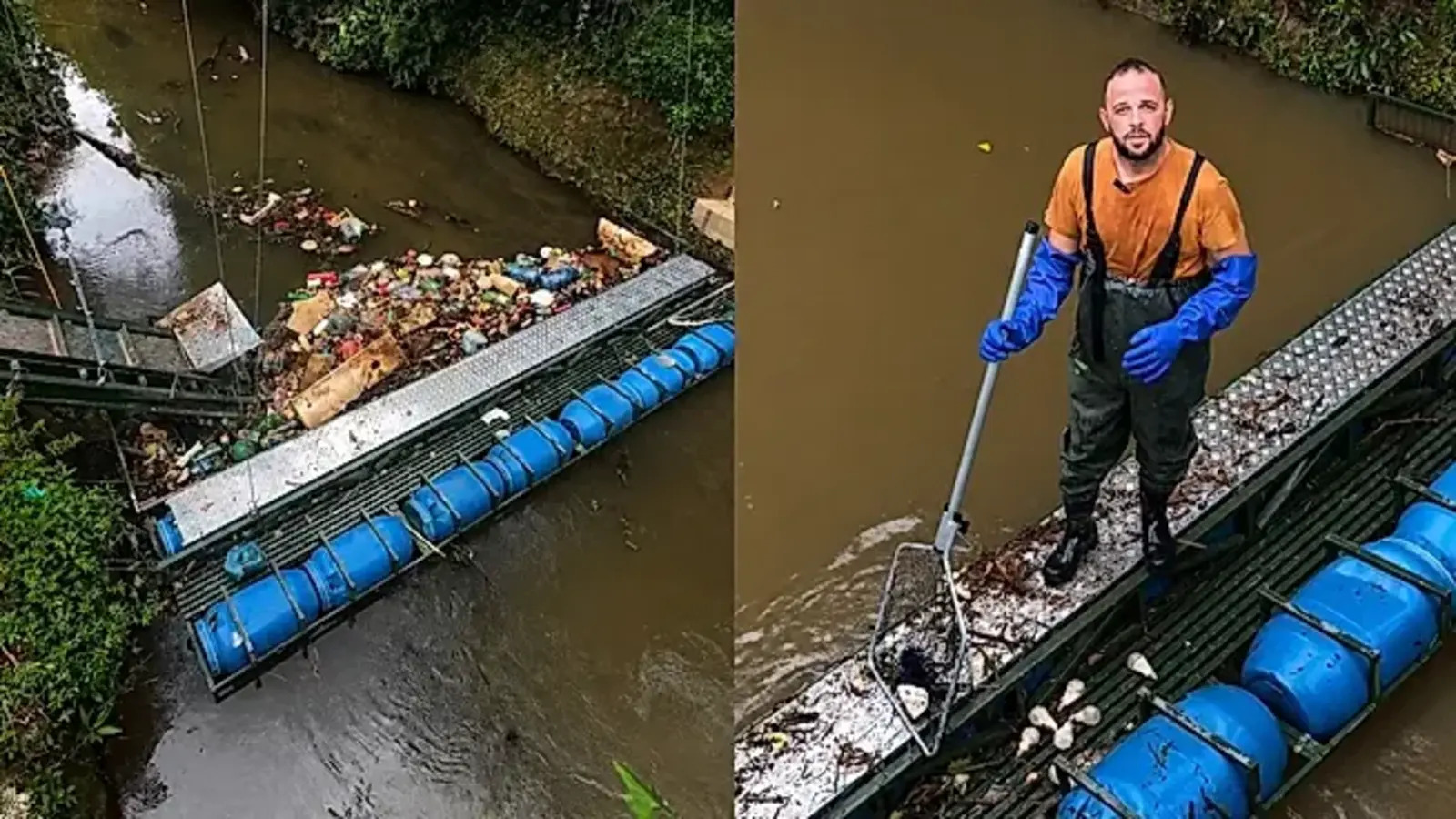
Brazilian promises his children to save a river, creates an eco-barrier in his backyard, has already removed more than 40 tons of trash from the water, and even inspires the idea in other states of the country.

-
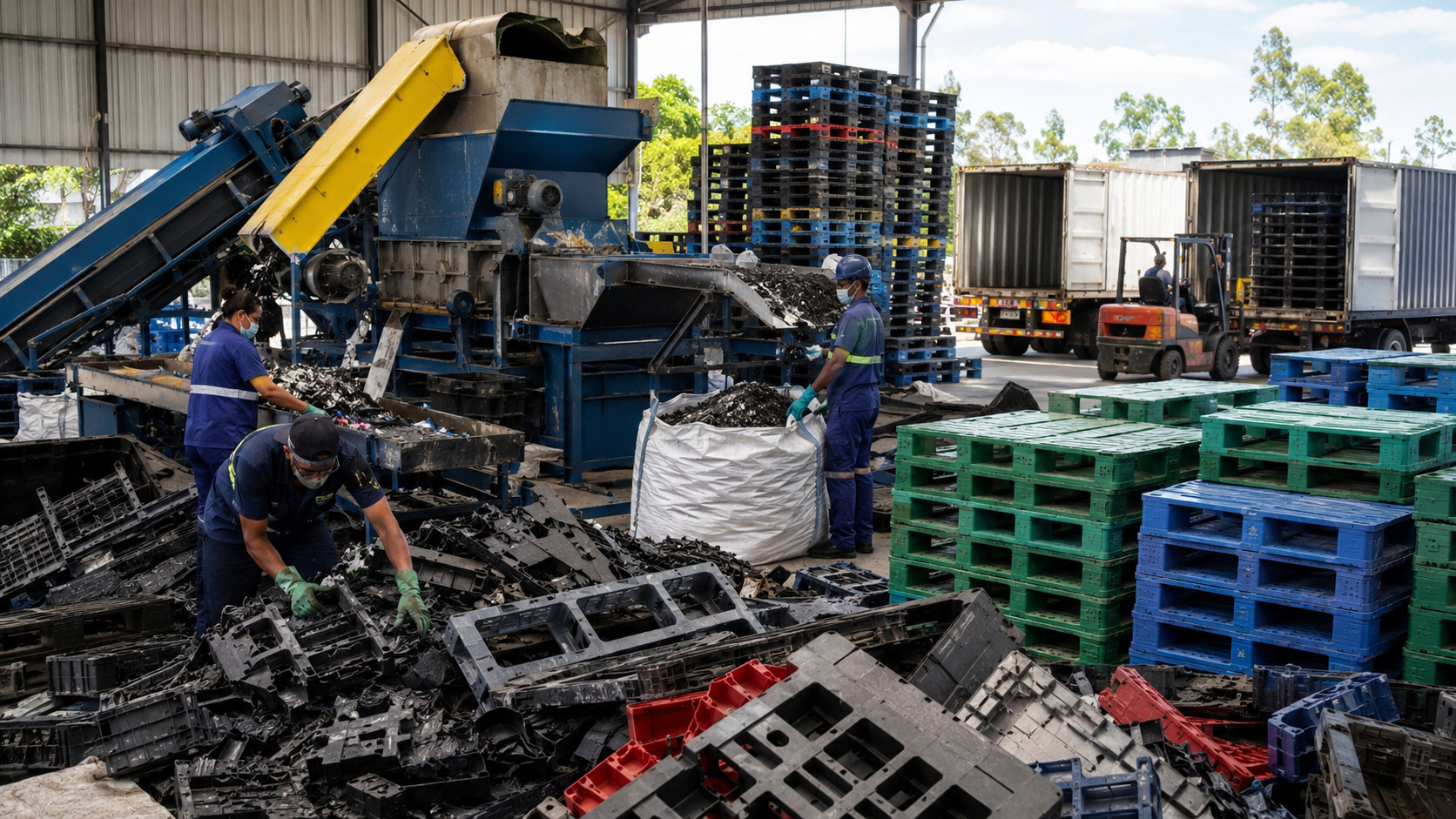
How a Brazilian company created a system that transforms broken pallets of any brand into new assets, recycles 80 tons of plastic per month, and found a profitable solution to a problem that challenges industries across the country.

-
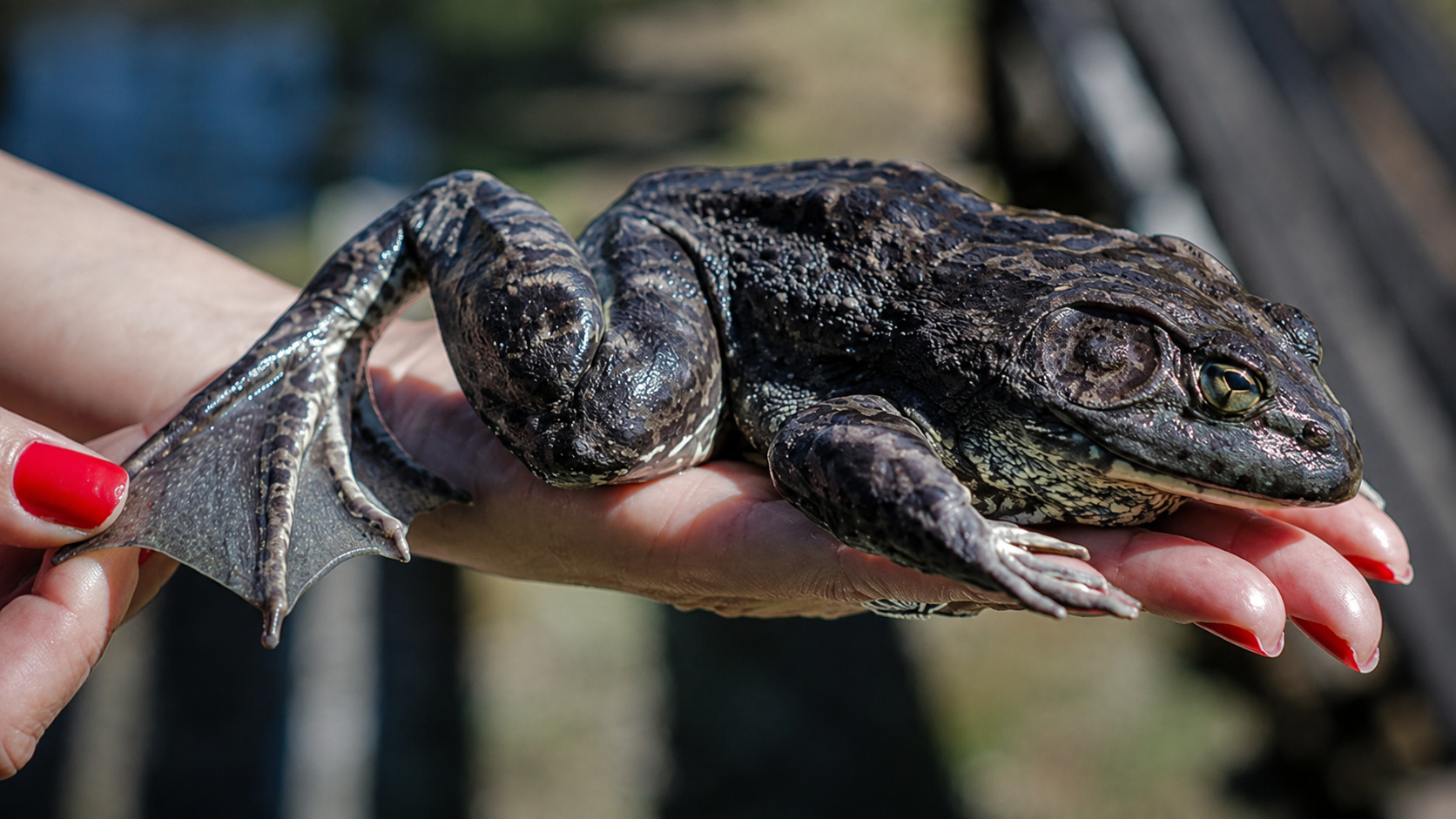
Invasive bullfrog capable of devouring other amphibians and laying up to 20,000 eggs is found in Florianópolis, raising an alert about the threat to native fauna.
-
It looks like a baby, but it’s an adult: meet the Bornean pygmy elephant, the smallest elephant in the world threatened by habitat loss.

All of this will be slowly melted and analyzed in state-of-the-art laboratories.
Climate, Health, and the Future of Humanity
Behind the research with the ancient ice lies a central question: how do past climate changes influence our future? The data retrieved from the ice core will be compared to current patterns and will help predict extreme phenomena, such as heatwaves, droughts, and rising oceans.
These findings not only affect ecology and natural habitats but also have a direct impact on human health. Exposure to extreme temperatures, variations in food supply, and changes in sleep cycles and metabolism are examples of how the body can react.
Experts highlight that climate changes are linked to difficulties in regulating body weight, affecting muscle mass and the immune system.
Melting the Past to Understand the Present
For seven weeks, scientists will slowly melt the block, millimeter by millimeter. The liquid that drips from this process will be transferred through special tubes to sterile rooms. There, chemical and physical analyses will determine the composition and origin of each particle.
The data will allow the reconstruction of climate timelines, observing moments of intense warming and cooling—and how the Earth responded to them.
The goal is to understand the planet’s natural behavior before human action, providing a solid basis for future political and environmental decisions.
A Laboratory That Defies Time
Few places in the world have the capacity for this type of research. Cambridge is one of them.
The environment is so extreme that there are strict protocols for the safety of researchers: the maximum time allowed inside the chamber is 15 minutes, with padded suits and durable equipment.
What Does This Have to Do with You?
It may seem that a sample of ice from Antarctica is far from our reality, but it is not. The conclusions of this research will shape the next decisions about the planet.
The impact will be felt in everyday life: in the food we eat, the air we breathe, and how our body functions, including how we control weight and protect muscles in hostile environments.
Moreover, the knowledge generated by this research may influence studies on longevity, immunity, and metabolism, fundamental factors for maintaining health in a world increasingly affected by climate change.







Be the first to react!