Portuguese
  Spanish


New materials gain ground in civil construction by combining economy, energy efficiency, and lower environmental impact, with sustainable concrete, ecological bricks, structural bamboo, engineered wood, and biomaterials in research and projects worldwide
Sustainable concrete has become one of the strongest signs of transformation in civil construction, which seeks to reduce costs, consume fewer natural resources, and increase energy efficiency with materials previously seen as unusual.
Sustainable concrete gains ground in construction projects
Civil construction is undergoing a silent change, but one that is increasingly visible in construction sites, industries, and architectural projects. The pressure for economy, sustainability, and energy efficiency has paved the way for new materials.
Concrete that stores energy, ecological bricks, engineered wood, structural bamboo, recycled plastic, and materials made from fungi are already appearing in research and more sustainable ventures.
-
Green Roofs on Homes Gain Popularity for Reducing Heat, Noise, and Rain Impact in Brazil

-
Brazilian promises his children to save a river, creates an eco-barrier in his backyard, has already removed more than 40 tons of trash from the water, and even inspires the idea in other states of the country.

-
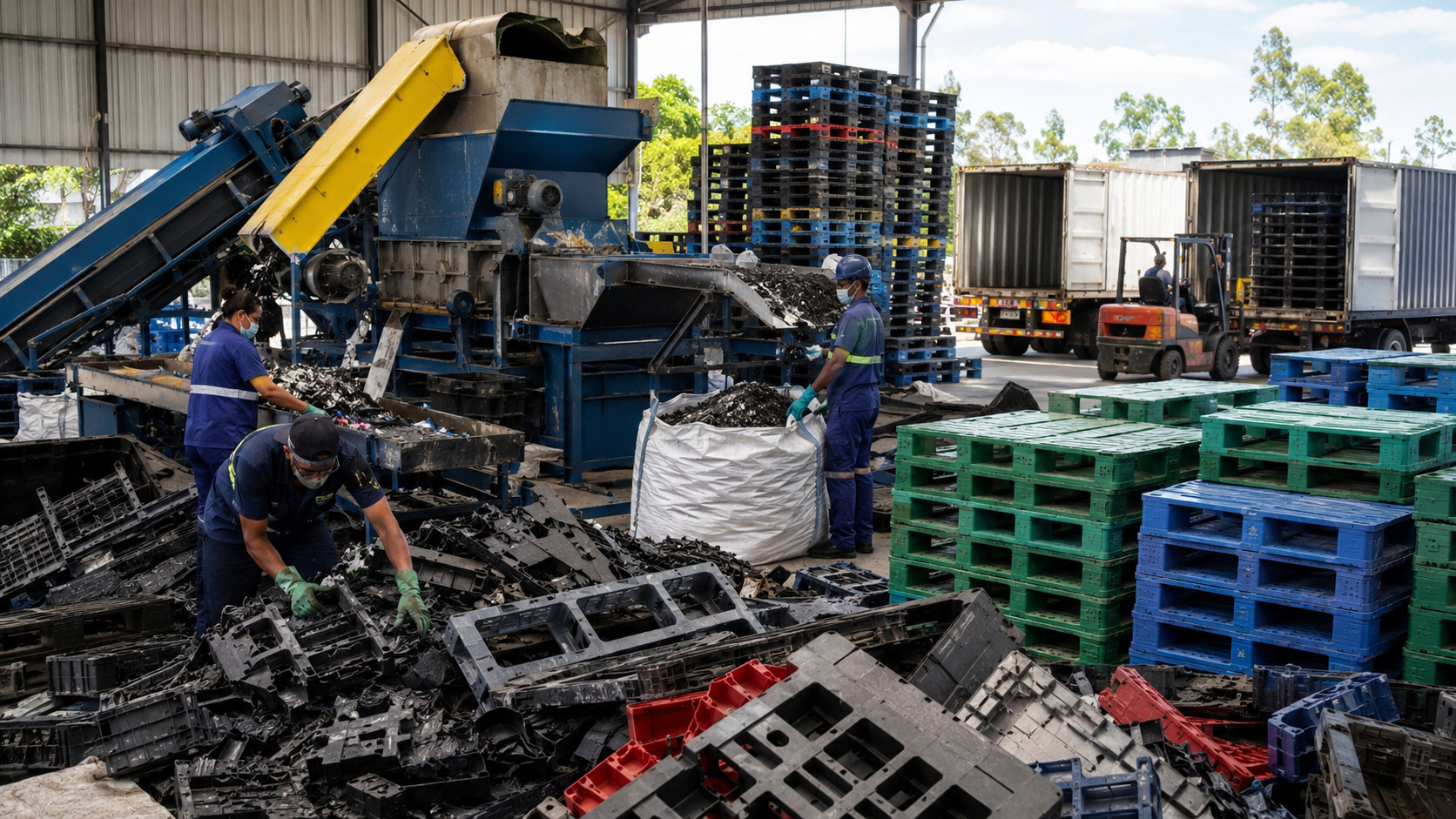
How a Brazilian company created a system that transforms broken pallets of any brand into new assets, recycles 80 tons of plastic per month, and found a profitable solution to a problem that challenges industries across the country.
-
Invasive bullfrog capable of devouring other amphibians and laying up to 20,000 eggs is found in Florianópolis, raising an alert about the threat to native fauna.



The trend follows a global shift: building more while consuming fewer natural resources. Operational costs and lower environmental impact have accelerated the search for alternative solutions.

Alternative materials reduce the use of traditional cement
Among the materials attracting the most attention is sustainable concrete, developed to reduce carbon emissions during manufacturing.
Some technologies incorporate industrial waste, ash, and recycled materials into their composition.
This substitution reduces the consumption of traditional cement, cited as one of the planet’s largest CO₂ emitters, and seeks to make production more efficient.
Another highlight is engineered wood, used in modern buildings for combining structural resistance and lower environmental impact.
It is being used in several countries as an alternative to steel and concrete in certain applications.
Structural bamboo also appears among the promising options. The material stands out for its rapid growth, high resistance, low cost, and adaptability in sustainable projects.
Ecological bricks accelerate construction stages
Ecological bricks produced with soil-cement or recyclable waste are gaining ground by reducing waste and accelerating construction stages. In some models, the interlocking design eliminates the need for large quantities of mortar.
As a result, these bricks can reduce construction time and labor. The logic is simple: less material waste, faster execution, and greater utilization of resources used on site.
Lighter and smarter materials can also reduce logistical costs, decrease waste, and improve the thermal performance of properties. This point becomes important in a scenario of extreme temperatures.
Academic studies and industry research indicate that sustainable constructions tend to have lower energy consumption, reducing costs for climate control and maintenance.
Economy became a priority for the sector
The search for alternative materials is not only driven by environmental reasons. The economic factor has become decisive given the increase in costs for energy, transport, and traditional raw materials.
Companies have started investing in technologies capable of generating long-term savings. Sustainable solutions also help ventures meet environmental requirements and obtain valuable certifications in the real estate market.
In this scenario, sustainable concrete joins alternatives that combine efficiency, less waste, and intelligent resource use. Innovation now guides project decisions.
Sustainable concrete that stores energy attracts attention
Among the most futuristic technologies is the development of concretes capable of acting as energy batteries. Researchers are studying ways to store electricity in urban and industrial structures.
The proposal involves integrating conductive materials into structures to transform walls and foundations into energy storage systems. Thus, common parts of buildings could also fulfill an electricity-related function.
Another innovation involves biomaterials produced with fungi, bacteria, and organic waste. These biodegradable materials can replace traditional components in coatings, thermal insulation, and lightweight structures.
There are also studies on 3D printing in civil construction. The technology allows for the creation of custom-made parts, with less material waste and faster execution.
Brazil follows global innovation trend
Although many solutions are still in experimental phase or limited application, Brazil is following the global movement of modernization in civil construction.
Companies, universities, and research centers are expanding studies on sustainable materials, waste reuse, and energy efficiency in constructions. The trend also gains momentum with new environmental demands.
The appreciation of sustainable developments reinforces this progress. For specialists, the future of civil construction will be marked by the combination of technology, economy, and sustainability.
Sustainable concrete summarizes this new phase of construction, but shares space with ecological bricks, engineered wood, structural bamboo, biomaterials, recycled plastic, and solutions aimed at smarter, more durable, and efficient constructions.
With information from Tribuna de Jundiaí.