






 Portuguese
  Spanish
  3 min of reading
  0 comments


Brazilian corals reveal a natural structure of global reach, sustain marine species, and reinforce the country’s importance in ocean conservation
One of the largest coral systems on the planet is located in Brazil, attracting the attention of researchers and environmental specialists.
The Brazilian marine formation stands out for its extension, biodiversity, and strategic role in the balance of oceanic ecosystems. The system brings together varied marine species and functions as a natural shelter for fish, algae, crustaceans, and other organisms. This ensemble reinforces the environmental importance of Brazilian reefs and expands scientific interest in the conservation of these structures.
Brazilian coral system draws attention for its submarine dimension
The coral system present on the Brazilian coast impresses with its dimension and ecological complexity. The structure occupies extensive areas of the ocean and forms essential environments for marine life.
-
Brazilian promises his children to save a river, creates an eco-barrier in his backyard, has already removed more than 40 tons of trash from the water, and even inspires the idea in other states of the country.

-
How a Brazilian company created a system that transforms broken pallets of any brand into new assets, recycles 80 tons of plastic per month, and found a profitable solution to a problem that challenges industries across the country.

-
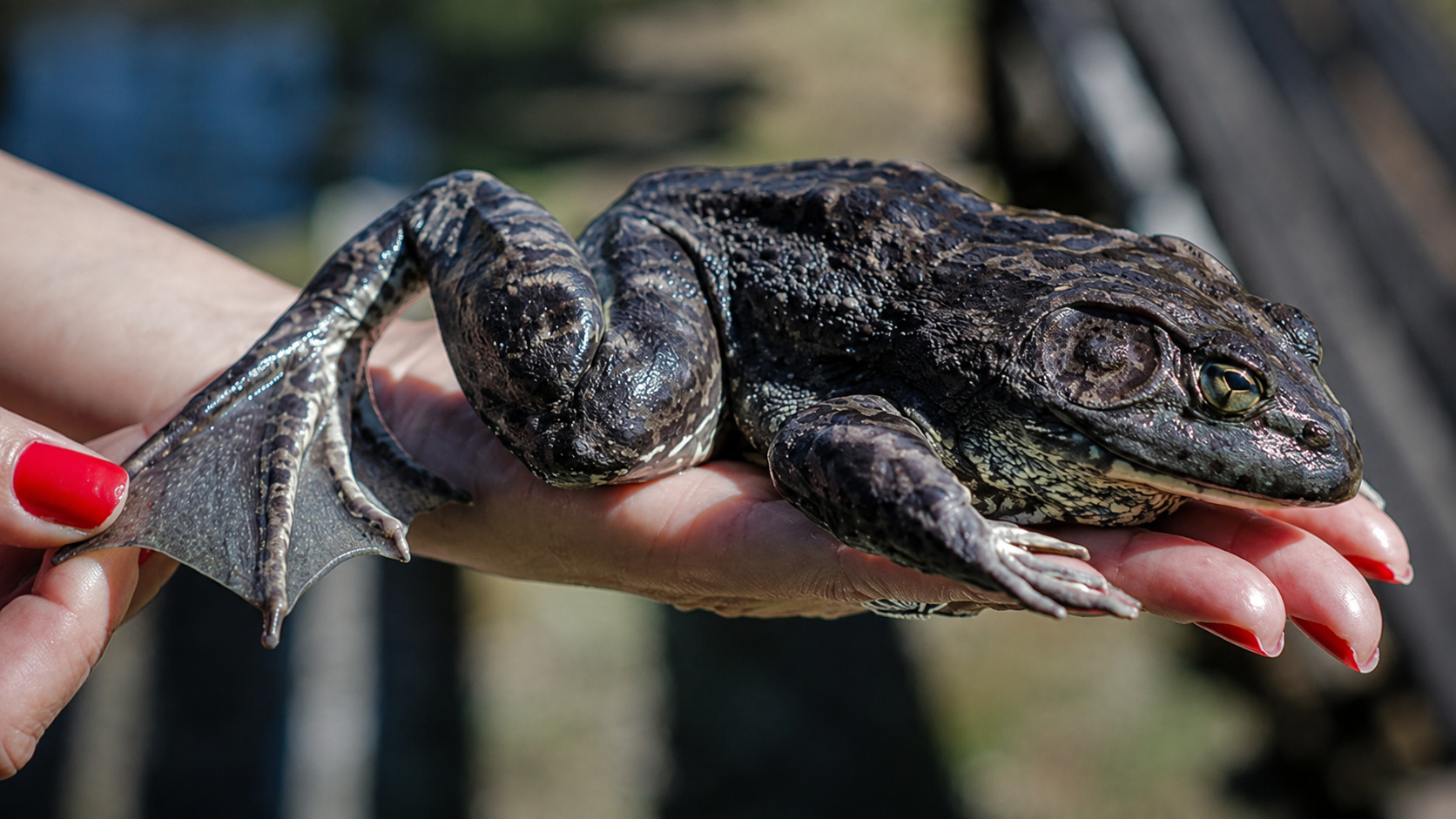
Invasive bullfrog capable of devouring other amphibians and laying up to 20,000 eggs is found in Florianópolis, raising an alert about the threat to native fauna.
-
It looks like a baby, but it’s an adult: meet the Bornean pygmy elephant, the smallest elephant in the world threatened by habitat loss.



According to recently released information, Brazilian reefs are among the most relevant coral formations in the world. The composition of these environments provides shelter, food, and reproduction for countless species. For this reason, researchers consider corals an essential piece for maintaining biodiversity in the South Atlantic.
Marine biodiversity reinforces the environmental importance of reefs
The biological richness of Brazilian reefs is among the main factors that highlight the system. Different species live in these environments and depend directly on the preservation of coral formations.
Corals function as true marine nurseries, as they support important stages in the development of fish and other organisms. This ecological function makes the Brazilian system especially relevant for environmental studies. At the same time, international recognition strengthens Brazil’s role in discussions about ocean conservation.
Reefs help in the environmental protection of coastal regions
Brazilian reefs also play an important role in the natural protection of coastal areas. These formations help reduce marine impacts and contribute to the environmental stability of coastal regions.
The presence of corals favors the balance of oceanic ecosystems and extends the protection of sensitive habitats. Environmental specialists emphasize that the conservation of these structures is fundamental to preserving biodiversity and maintaining the health of Brazilian seas. This scenario highlights the strategic importance of reefs on the country’s coast.
International recognition expands debates on marine conservation
The prominence given to the Brazilian coral system reinforces the country’s environmental relevance on the global stage. The formation began to be observed by scientists due to the combination of dimension, biodiversity, and ecological function.
Researchers assess that structures like this play a decisive role in maintaining oceanic life. The conservation of reefs, therefore, gained strength in debates about environmental protection and ocean preservation. This movement demonstrates how Brazilian natural heritage also influences international scientific discussions.
The future of Brazilian coral preservation
The preservation of Brazilian corals depends on continuous attention, environmental monitoring, and scientific appreciation. The system represents a natural heritage of global relevance and brings together essential characteristics for marine balance.
International recognition reinforces the ecological value of the Brazilian coast and highlights the need to protect these formations.





Be the first to react!