Portuguese
  Spanish


Strategic Copper and Billions in Gold Reveal Hidden Potential in South America — But Ecological Risks Worry Experts
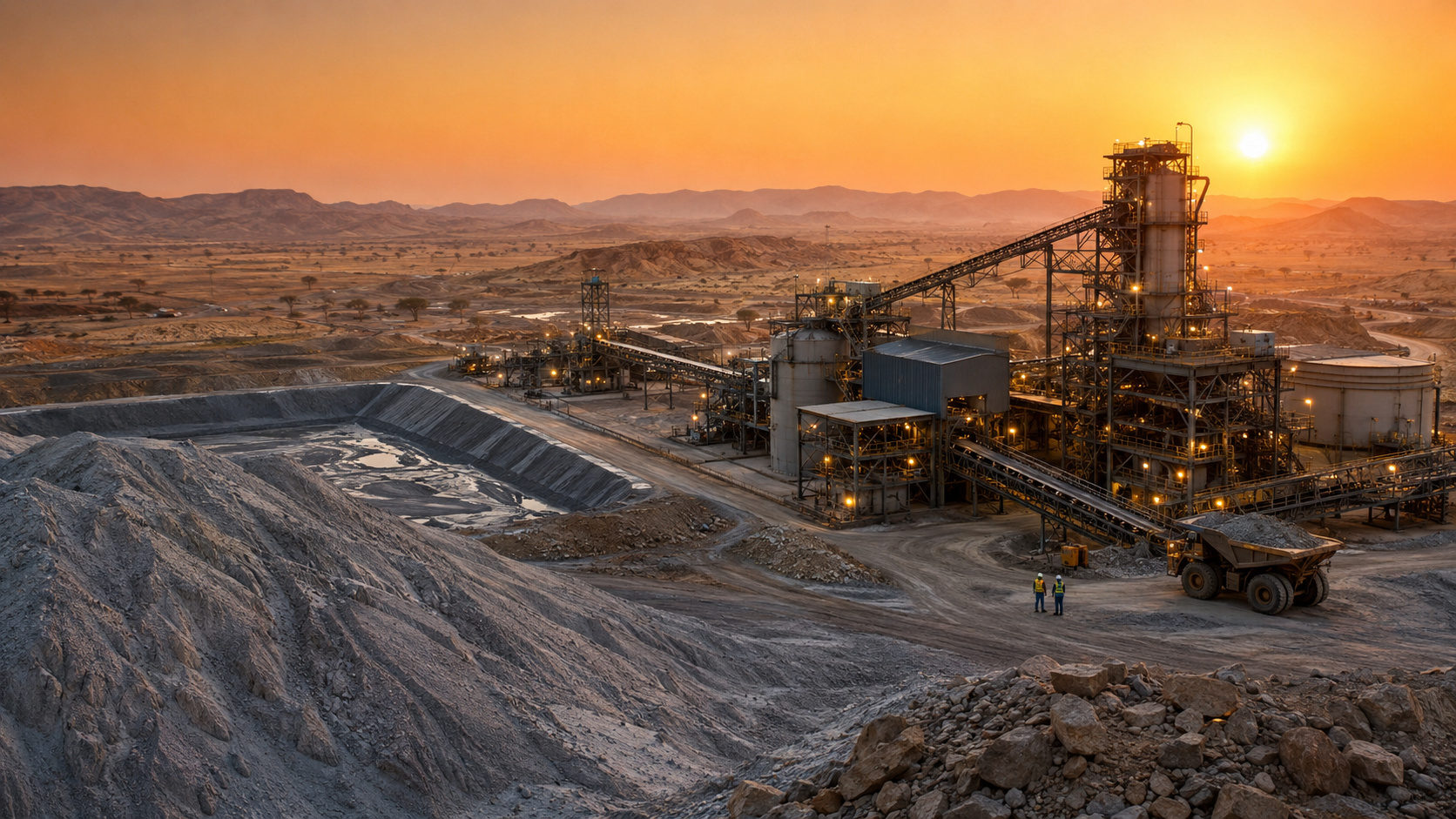
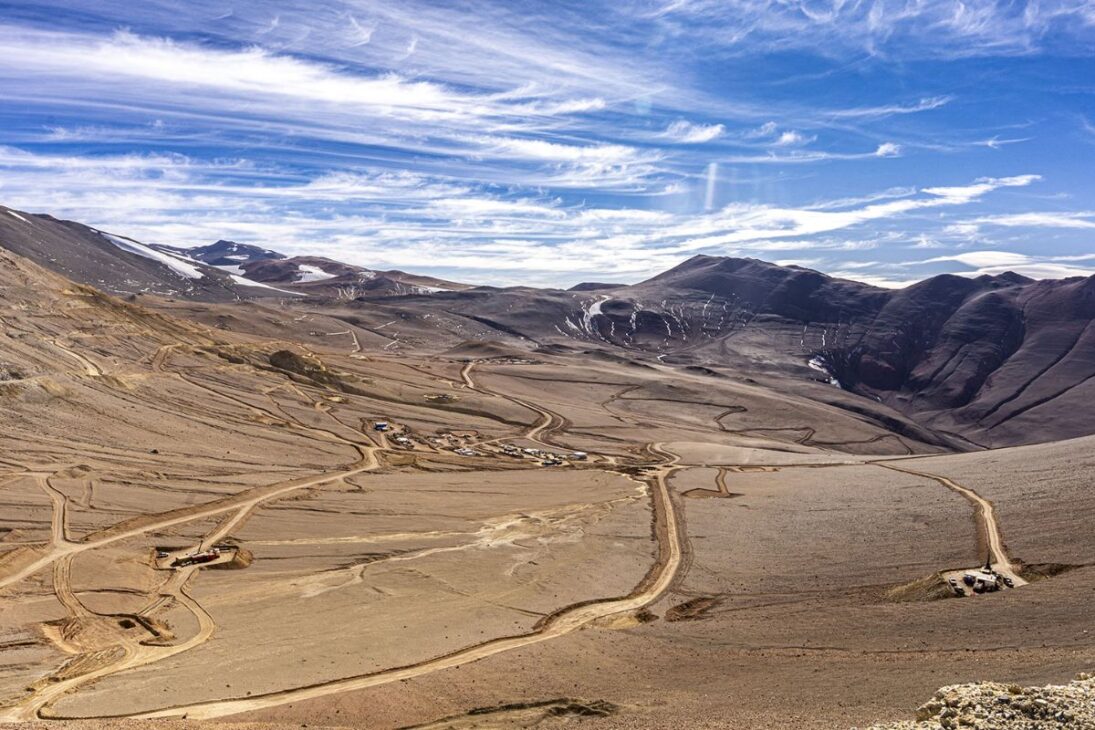
A mineral discovery that promises to shake the foundations of global mining has just been announced by two giants of the sector. In the heart of the Andes, on the border between Chile and Argentina, the Lundin Mining Corporation from Canada and the Australian BHP revealed the existence of one of the largest deposits of copper, gold, and silver ever found in South America. The region, dubbed Vicuña Mineral Resource, could become a turning point for the economy and the environment across the continent.
A Billion-Dollar Nucleus in the Andes
According to the companies’ official announcement, the high mineral concentration nucleus houses 13 million tons of copper, along with 907 thousand kilograms of gold and impressive 18.6 million kilograms of silver. The volume is so substantial that analysts have classified the project as a potential world-class endeavor, with the potential to rival the largest mines ever known on the planet.
The deposit is part of the Filo del Sol project, located in one of the most remote and geologically active regions of the Andes. There, natural processes have formed, over millions of years, underground pockets rich in precious metals — a true mineral treasure that is now starting to be explored.
-
Brazilian Company in Minas Gerais Innovates by Using Electric Currents to Extract Critical Metals from Industrial Waste

-
U.S. Acquires Brazil’s Only Rare Earth Mine for $2.8 Billion, Diverting It from China

-
Indian Project Aims to Recover Zinc and Silver from Mining Waste, Targeting Over ₹3.8 Billion Revenue in 28 Months
-
Giant 142 kg Emerald from Brazil’s Bahia Region Auctioned with Starting Bid of Nearly $16 Million



Economic Ambition and Geopolitical Impact
The ambition of the mining companies is clear: to transform South America into a new global hub for mining. To achieve this, investments are being planned that could exceed billion dollars, although the exact amounts have yet to be disclosed. The CEO of Lundin Mining, Jack Lundin, stated to the press that the project could elevate the company to a new level in the international market, as well as generate jobs and development for local communities.
If projections are confirmed, the impact will extend beyond mining. Copper, for example, is essential for sectors such as clean energy, electric vehicles, telecommunications, and aviation. Gold and silver remain highly valued both in the tech industry and as strategic reserves in times of economic instability. As a result, the project could reposition Chile and Argentina as key players in global supply chains.
According to experts from Mining Technology, the complete technical report on the Vicuña Mineral Resource is expected to be published by the first quarter of 2026, with estimates for operations to begin shortly after the completion of impact studies and environmental licensing.
Environmental Pressure and Biodiversity Risks
But not everything is applause. The revelation of a deposit of this magnitude has reignited an old but always urgent debate: what is the environmental cost of mineral development?
Large-scale mining is often associated with deforestation, biodiversity loss, drastic landscape changes, and contamination of water resources. Not to mention the pressure on traditional communities and the generation of greenhouse gases. The project area is situated in fragile ecosystems of the Andes, which host endemic species and important water recharge zones for both countries.
The Argentine newspaper Clarín echoed the concerns of environmental groups warning of the potential permanent damage to the natural balance of the region. In Chile, public debates are already underway, and organizations like the Latin American Observatory of Environmental Conflicts (OLCA) claim that the project “could repeat the mistakes of previous mega-mines, whose economic promises did not compensate for social and ecological losses.”
A South American Dilemma: Progress or Preservation?
The discovery of the Vicuña Mineral Resource raises a difficult question for the governments of the region: how to balance economic growth with environmental protection in a world increasingly thirsty for strategic minerals?
For Professor Luis Carvajal, a geologist at the University of Chile, “there is no doubt that the project is a unique opportunity to energize the local economy, but it needs to be carried out with complete transparency and technical rigor, respecting the ecological limits of the region.” In an interview with El Mercurio, he noted that the Andes are already suffering from the effects of the climate crisis, which demands even more caution in large-scale operations.
On social media, the topic has been generating intense discussions. On one side, enthusiasts point to the benefits in job creation, exports, and tax revenue. On the other, activists and local communities warn of the risk of a new gold rush that could leave destruction and abandonment in its wake.
For now, mining companies are still in the phase of studying and mapping the deposit. But the future of this treasure hidden beneath the mountains of the Southern Cone will depend on political decisions, international agreements, and — above all — the pressure from civil society.