






 Portuguese
  Spanish


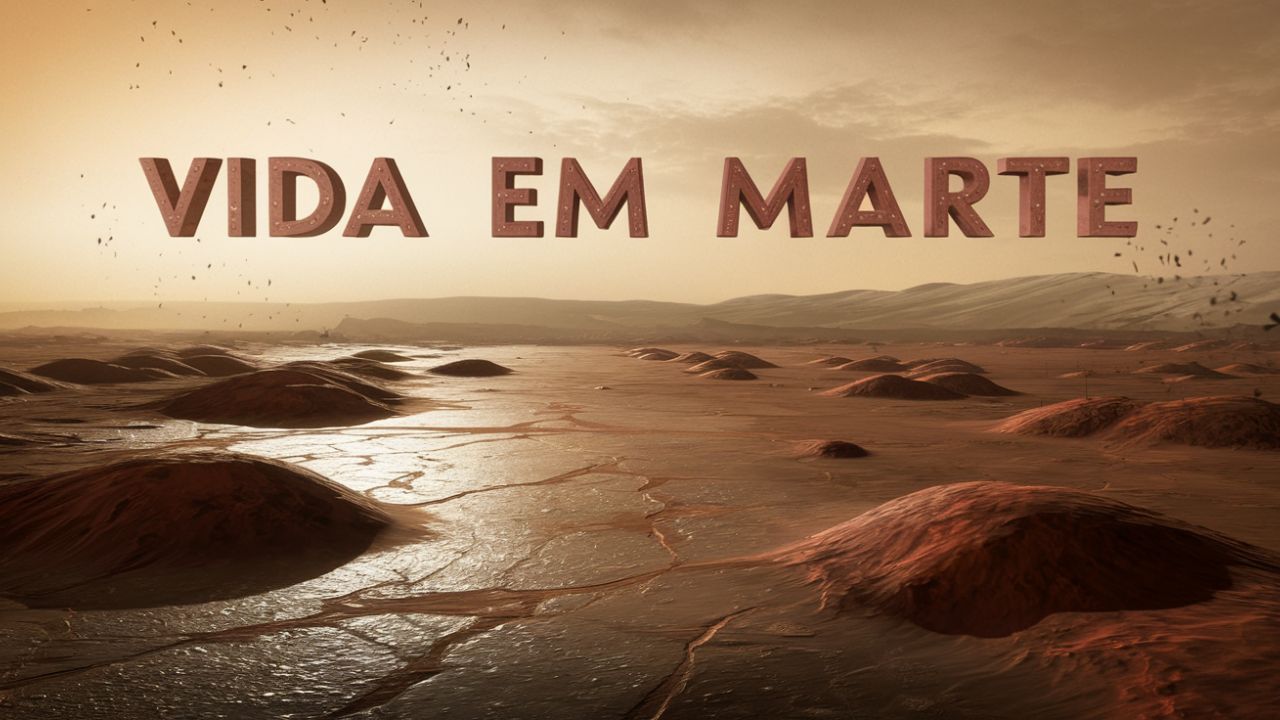
Unreleased Images Captured by the Mars Reconnaissance Orbiter Reveal Frozen Bean-Shaped Dunes on Mars, Covered by Carbon Dioxide and Potentially Linked to Clues About Microbial Life in the Planet’s Past.
In September 2022, NASA’s Mars Reconnaissance Orbiter (MRO) captured a stunning image of frozen sand dunes in the northern hemisphere of Mars. The most curious part? They are bean-shaped! These intriguing formations, photographed by the High-Resolution Imaging Science Experiment (HiRISE) camera, were recently released to the public and may provide crucial clues about the possibility of life on the planet.
Why Are These Dunes So Different?
While dunes on Earth are always changing due to wind action, Martian dunes remain practically static. This happens because they are covered by a layer of frozen carbon dioxide during the winter. On Mars, temperatures can plummet to -123ºC at night, creating ideal conditions for snow and frost. But don’t expect fluffy flakes like those on Earth! Martian snow is made up of water ice and dry ice (frozen carbon dioxide).
Martian Frost and Its Secrets

This combination of ice prevents the wind from altering the dunes, keeping them intact until spring. Observing how carbon dioxide ice behaves helps scientists better understand Mars’ past climate. Could these conditions have supported some form of life in the past?
-
Bosch Unveils Revolutionary 2.3 kg Hub Motor for E-Bikes with 45 Nm Torque and 400 Watts Power, Eliminating Resistance Above 25 km/h in Historic Shift for German Manufacturer

-
Brazilian Engineer Develops Marine Bacteria from Ubatuba into a Mini Power Plant Generating 227 mW per Square Meter, Cleans Air by Capturing CO₂ and Releasing Oxygen
-
Trump Signs Orders to Develop Quantum Computer and Bolster U.S. Systems Against Encryption-Breaking Attacks

-
Breakthrough in Clean Energy: Scientists Develop Battery-Free Artificial Photosynthesis Using Only Sunlight to Generate Chemical Energy


Mars and the Search for Life
The idea of life on Mars is not new. In October 2024, NASA suggested that microbes could survive beneath the frozen water on the Martian surface. This is because the sunlight that penetrates the ice may be enough to allow photosynthesis in small pools of melted water. A Harvard study revealed that Mars’ magnetic field may have lasted until about 3.9 billion years ago, creating a favorable environment for life.
What Comes Next?
These bean-shaped dunes are more than geological curiosities. They may be keys to unlocking the mysteries of the climate and the possible existence of life on Mars. With new missions and studies, we are getting closer to answering the question that has intrigued us for decades: Has there ever been life on Mars?


-

1 person reacted to this.