






 Portuguese
  Spanish
  3 min of reading
  0 comments


Archeologists Found a 2,600-Year-Old Shipwreck in Sicily, with Its Cargo Intact, Revealing Details About Trade Routes, Maritime Practices, and Cultural Connections. Discover How This Discovery Impacts the Present and the Future.
Surprisingly, archeologists found a 2,600-year-old shipwreck near Sicily, with its cargo still preserved. This discovery will undoubtedly transform historical and cultural studies.
What Did the Shipwreck Reveal?
Undoubtedly, the items found in the shipwreck offer a rare glimpse into ancient trade practices. Among the highlights, we can list:
- Intact Amphorae: About 40 containers used to transport olive oil and wine, essential in Mediterranean trade.
- Exceptional Preservation: The cargo remained organized as originally arranged on the vessel, a fact that intrigues experts.
- Cultural Connections: The “Richborough 527” amphorae, frequently found in archaeological sites, demonstrate significant trade interactions.
These finds certainly expand our understanding of maritime routes and logistics of the time.
-
North Korean Fiasco: Launch of the Largest Warship Ends in Sinking

-
While giant ships still burn heavy fuel and the maritime sector races against climate targets, Maersk and Vale are starting to bet on ethanol as a new route to reduce emissions at sea.

-
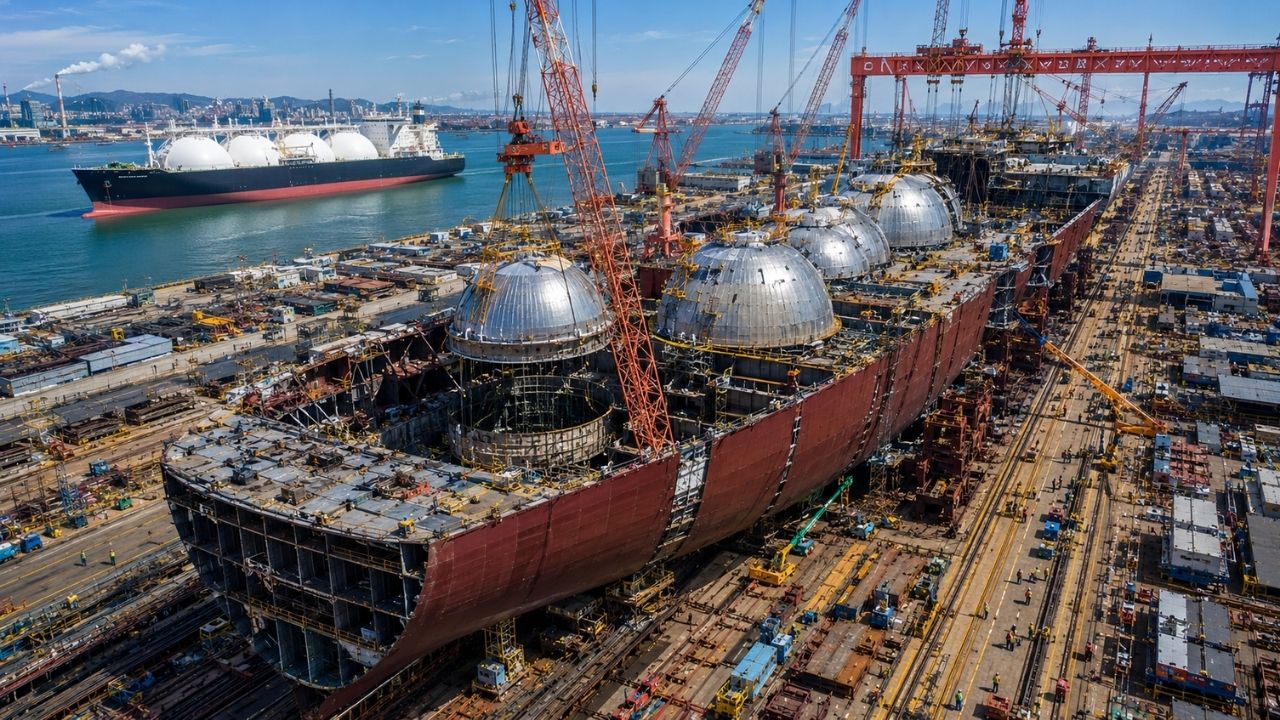
China begins construction of the world’s largest LNG ship, a 344-meter giant capable of supplying 4.7 million homes for a month, carrying 271,000 m³ of gas, and placing QatarEnergy in the largest naval order ever recorded in world history.
-
China is designing a container ship with a thorium nuclear reactor that will operate for 40 years without refueling, and the 25,000-container giant from Jiangnan Shipyard will cross oceans without emitting carbon in an industry that burns 300 million tons of fuel per year.



Preservation of Underwater Heritage: A Necessary Challenge
Indubitably, the preservation of shipwrecks is a complex challenge. However, global initiatives, such as the “Atlas of Shipwrecks of Historical Interest on the Coast of Brazil”, have achieved significant results.
Indeed, preserving these sunken treasures means:
- Protecting History: Ancient remnants help us understand the roots of civilization.
- Technological Inspiration: Materials and methods from the past influence modern naval engineering.
- Cultural Connections: Submerged discoveries offer a unique window into interactions between ancient civilizations.
Certainly, continuous efforts are essential to prevent these heritages from being lost forever.
Impacts of the Discovery on the Contemporary Naval Industry
Surprisingly, the naval industry can learn a lot from ancient shipwrecks. Undoubtedly, they offer valuable lessons, such as:
- Study of Durable Materials: Analyzing the ship’s components reveals solutions to withstand maritime wear.
- Strategic Trade Routes: Ancient logistics can inspire improvements in modern maritime transport.
- Preservation and Recovery: Techniques applied in the rescue of shipwrecks influence current naval engineering practices.
Therefore, the legacy of ancient vessels goes beyond history, connecting the past with future innovations.
Shipwrecks: Submerged Stories That Captivate the World
Certainly, shipwrecks are fascinating for various reasons. They combine mystery, history, and science in discoveries that transform human knowledge. Moreover, they:
- Enrich Archaeology: Each discovered shipwreck expands our understanding of ancient cultural practices.
- Enhance Tourism: Destinations with shipwrecks attract tourists and divers interested in history.
- Inspire Exhibitions: Recovered artifacts become central pieces of museums and documentaries.
Undoubtedly, each discovered shipwreck creates exciting opportunities for learning and exploration.
Secrets of the Sea, Lessons for the Future
Finally, the discovery of the Sicilian shipwreck is a reminder of how much the sea can still teach us. With coordinated efforts, more historical secrets may be revealed.
Without a doubt, protecting these submerged treasures is crucial. They connect the past and present, offering valuable insights for the future of archaeology and naval engineering.
Therefore, the legacy of the sea is eternal. It inspires new generations to explore and preserve the vast underwater world, which still holds so many stories waiting to be told.








Be the first to react!