






 Portuguese
  Spanish


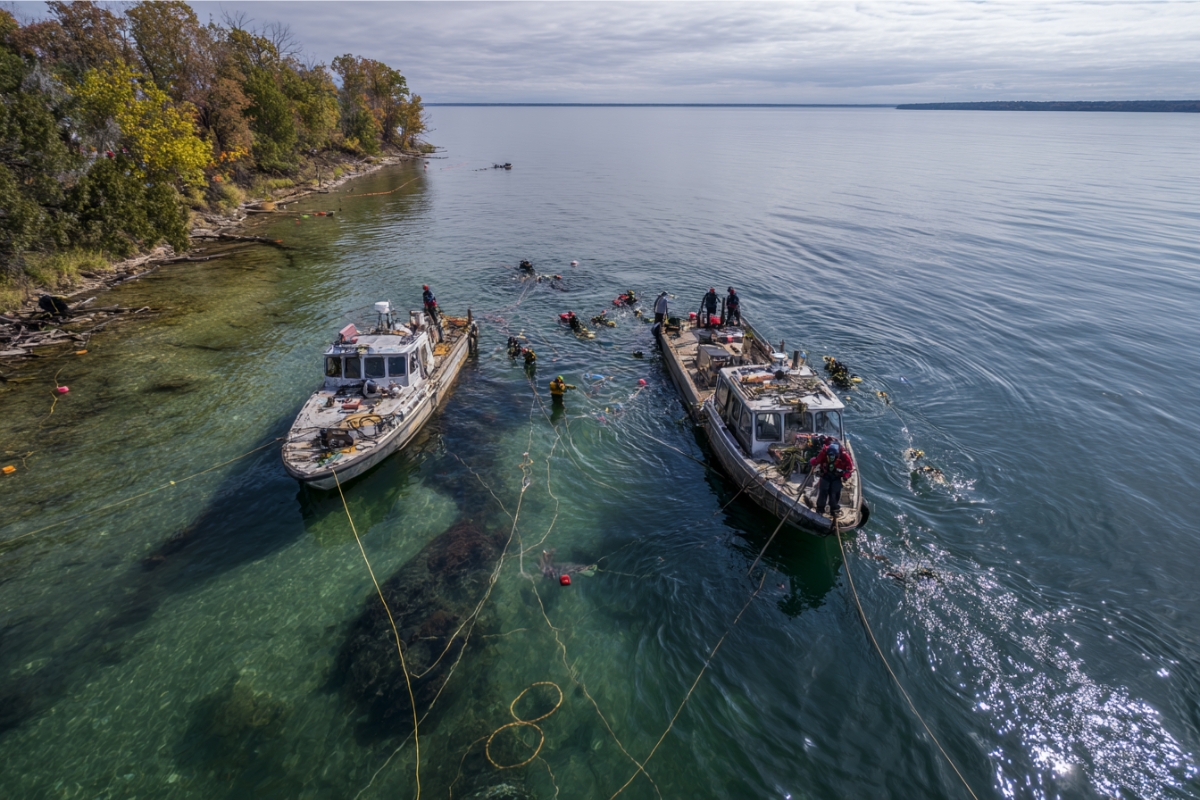


Excavations in a Wisconsin Lake Uncovered Millennia-Old Canoes Made from Logs, Indicating Continuous Occupation, Navigation Routes, and Advanced Techniques in Ancient America
The first evidence draws attention due to the number: one of the canoes found in Lake Mendota is about 5,200 years old, surpassing the age attributed to the Great Pyramid of Giza, which is at least 4,500 years old. The discovery occurred in a lake in Wisconsin and opens up broader interpretations of ancient human organization in North America.
The find was not limited to an isolated piece. Since 2021, excavations at the site have been revealing a collection of vessels suggesting frequent use of the lake over many generations, with possible routes for movement, fishing activities, and regional circulation.
What Appeared in Lake Mendota and Why the Age Drew So Much Attention

Six canoes have been identified that had not previously been recorded in Lake Mendota. This new batch adds to a total of 16 vessels of the pirogue type found since 2021, reinforcing that the lake’s bottom holds traces of successive occupations over time.
-
Germany Opens World’s Largest Smart Power Semiconductor Factory with €5 Billion Investment, Creating 1,000 Jobs and Doubling Capacity for AI and Energy Needs

-
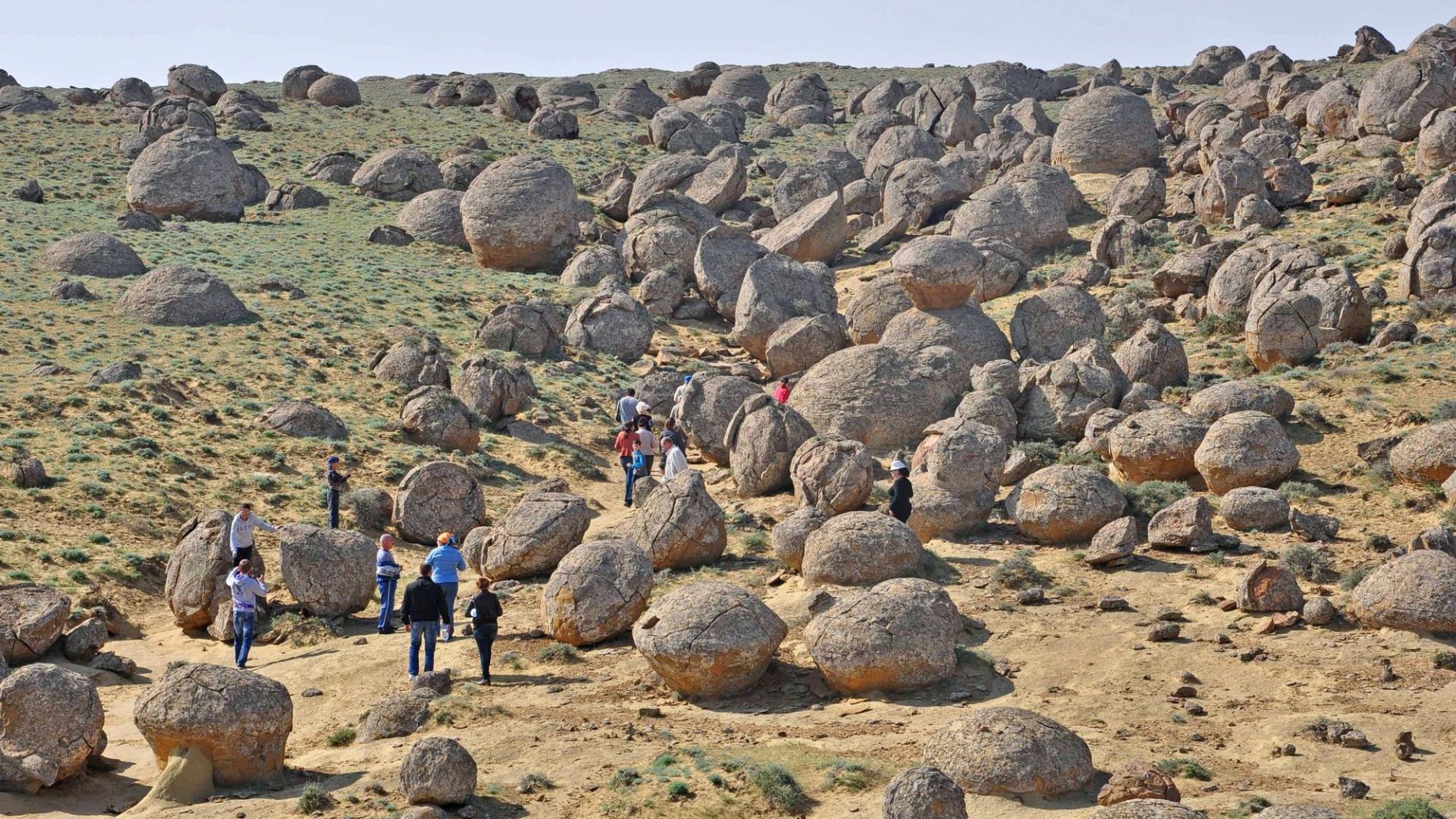
Kazakhstan’s Torysh Valley Holds Thousands of Giant Stone Spheres, Intriguing Scientists with Ancient Oceanic “Cannonballs”

-
Egypt Discovers 18 Ancient Tombs with Gold Tongues, Unveiling Unusual Funeral Rituals and Amulets Believed to Give Voice to the Dead

-
Nigeria Dumps 120 Million Tons of Sand into Atlantic to Build Massive City with 8.4 km Sea Wall for Protection Against Ocean Waves and Erosion



The oldest canoe, about 5,200 years old, places the level of skill in canoe construction much earlier than many people imagine for the region. The comparison with the Great Pyramid of Giza helps to gauge the antiquity of the material and the historical weight of the find.
How Canoes Were Made and What This Reveals About Ancient Techniques
The vessels were produced from individual tree trunks, which explains their classification as canoes. The manufacturing method involved fire and simple tools, such as stones and shells, indicating mastery of efficient techniques to hollow out and shape the wood.
This type of construction requires planning to balance shape, strength, and usability in water. The collection found points to a technical tradition repeated over long periods, with practical knowledge about tree selection, material control, and adaptation to the lake environment.
Dating Indicates a Wide Range Between 3000 BC and 1300 AD

The analysis of the wood measured how much of a naturally radioactive element decayed over time. From this procedure, it was indicated that the canoes were constructed between 1300 AD and 3000 BC, showing an extensive time range with different production moments.
This interval helps to understand why the discoveries do not seem to represent a single event. The presence of pieces from such different ages suggests a continuity of lake use, with groups returning to the site, leaving canoes, and maintaining circulation for many centuries.
Canoes at 30 Feet Deep and the Trail of Routes Used by Generations
The canoes were found 30 feet below the surface and were located in groups near natural trails. This pattern strengthens the idea that the lake functioned as a busy point, with recurring paths and stops at strategic locations.
The grouping of the vessels also indicates that the deposit was not random. The repetition of finds in similar areas suggests consistent movement choices, possibly connecting shores, fishing areas, and other important points in the regional landscape.
Only Two Canoes Have Been Removed from the Water and Preservation Takes Years
Despite a total of 16 canoes located, only two have been removed from the lake so far. These pieces are nearing the end of a preservation process that lasts several years, a necessary step to prevent damage to materials that have been submerged for so long.
Among the vessels being preserved is a 14-foot boat that is about 3,000 years old. The limited removal shows that the work involves caution and planning, as moving and stabilizing ancient wood requires control of moisture and specific procedures.
Oak Wood and the Hypothesis of Natural Blockages to Improve Buoyancy

Many canoes were made with hard, durable woods like red oak and white oak. The use of red oak caught attention because this wood tends to absorb water through its open pores, which can make the vessel heavier or less buoyant.
One possibility considered is that builders prepared the trees to form natural blockages called tildes, which seal the wood against water and decay and also improve buoyancy. The formation of these structures may have stemmed from the selection of stressed or damaged trees or intentional injuries while they were still growing.
Rocks on the Canoes and the Link to the Ho Chunk People and Wingra Lake
The canoes were found with rocks meticulously placed on them. One explanation raised is that this would help avoid deformities during the winter months, keeping the shape stable even with seasonal changes in the submerged environment.
The discovery also held significance for the Ho Chunk people, reinforcing their ancestral connection to the waters and lands of the region. Wingra Lake, nearby, is seen as spiritually significant, and one of its springs is treated as a portal to the spiritual world, with memorial ceremonies held for generations.
Human presence in the area spans different periods. Paleo-Indians are cited as the first inhabitants, arriving about 12,000 years ago, while the Ho Chunk tribe would not have migrated to the region until 800 AD. With canoes dated over such a wide range, Lake Mendota becomes a direct landmark for understanding how ancient communities lived and moved for thousands of years.
The collection of vessels reinforces that the history of human occupation in North America includes long phases of adaptation, technique, and organization, with material signs preserved in places where almost no one expects, at the bottom of a lake.
This content was produced based on information published by the Daily Mail, a British publication known for its extensive international news coverage.





E ainda tem gente que acredita que a humanidade só existe há 3.000 anos…