Portuguese
  Spanish



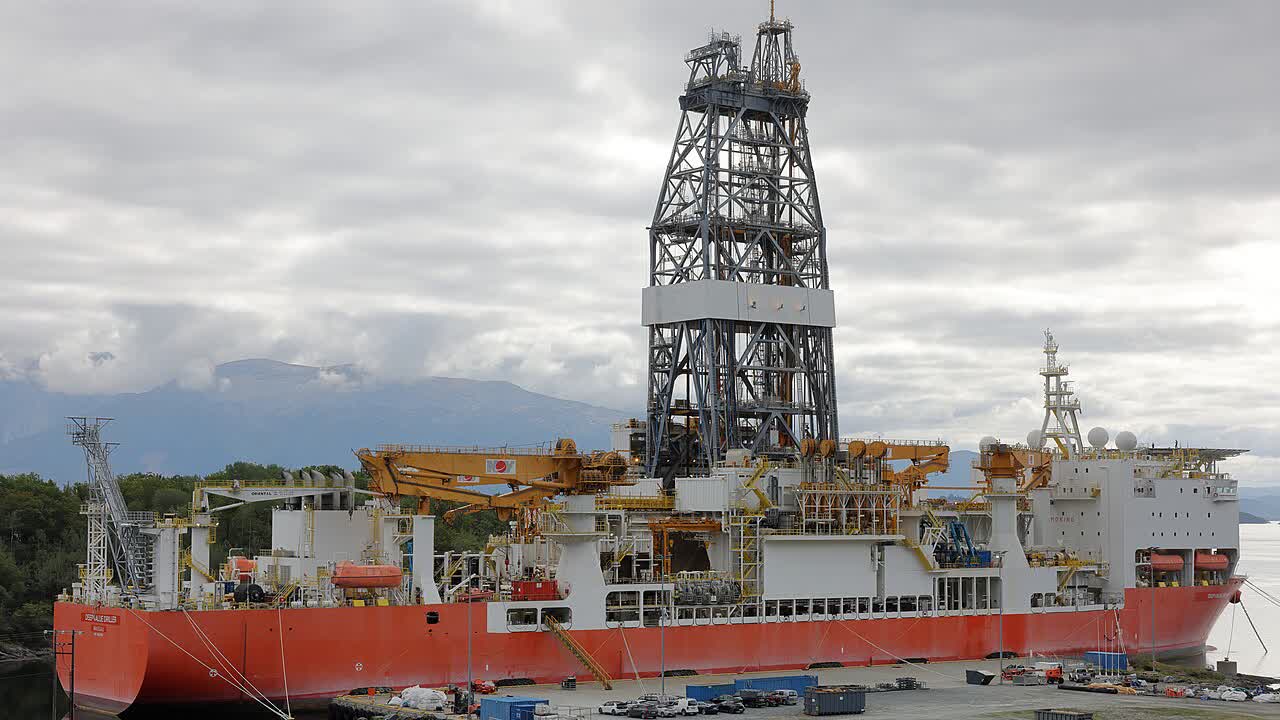
National Agency of Petroleum (ANP) and FGV Energia Launched Yesterday (01/25) the Offshore Decommissioning Notebook in Brazil – Opportunities, Challenges & Solutions
Decommissioning in Brazil can generate jobs and income in the sector. The Offshore Decommissioning Notebook in Brazil – Opportunities, Challenges & Solutions was launched yesterday (01/25) by the National Agency of Petroleum and Natural Gas (ANP) in partnership with Fundação Getúlio Vargas Energia (FGV) and had broad participation from academia, regulators, and companies, such as COPPE/UFRJ, CNEN, Petrobras, Shell, ABPIP, ABESPETRO, and Atlântico Sul Shipyard.
Read Also
- Auction of Petrobras Automation Panels of Platforms P-72 and P-73 Starts at 11AM
- Gigantic Potassium Reserves Discovered in Amazonas and Pará
- Multinational NOV Hiring for Job Vacancies in Macaé, São João da Barra, and Minas Gerais
- Maritime Support, Construction, and Naval Repair Company Urgently Calls for Work in Rio de Janeiro
The Offshore Decommissioning Notebook in Brazil was launched in a webinar organized by FGV and featured the participation of Rodolfo Saboia, General Director of the Agency.
The General Director of ANP explained the importance of the notebook, which, according to him, “is already historic, as the main reference in Brazil on such a current topic as decommissioning.”
-
Qantas and Airbus Invest in Company Aiming to Convert Unsorted Household Trash into Jet Fuel

-
Brazil’s ANP Opens 86 New Oil Blocks in the Equatorial Margin, Expanding the Amazon River Mouth Frontier

-
OPEC+ Boosts Oil Supply by 188,000 Barrels per Day in July 2026, Leading to Price Drop from $112 to $89 per Barrel in Under Two Months

-
TotalEnergies Signs 20-Year Deal to Purchase 2 Million Tons of LNG from Alaska, Boosting Project Viability
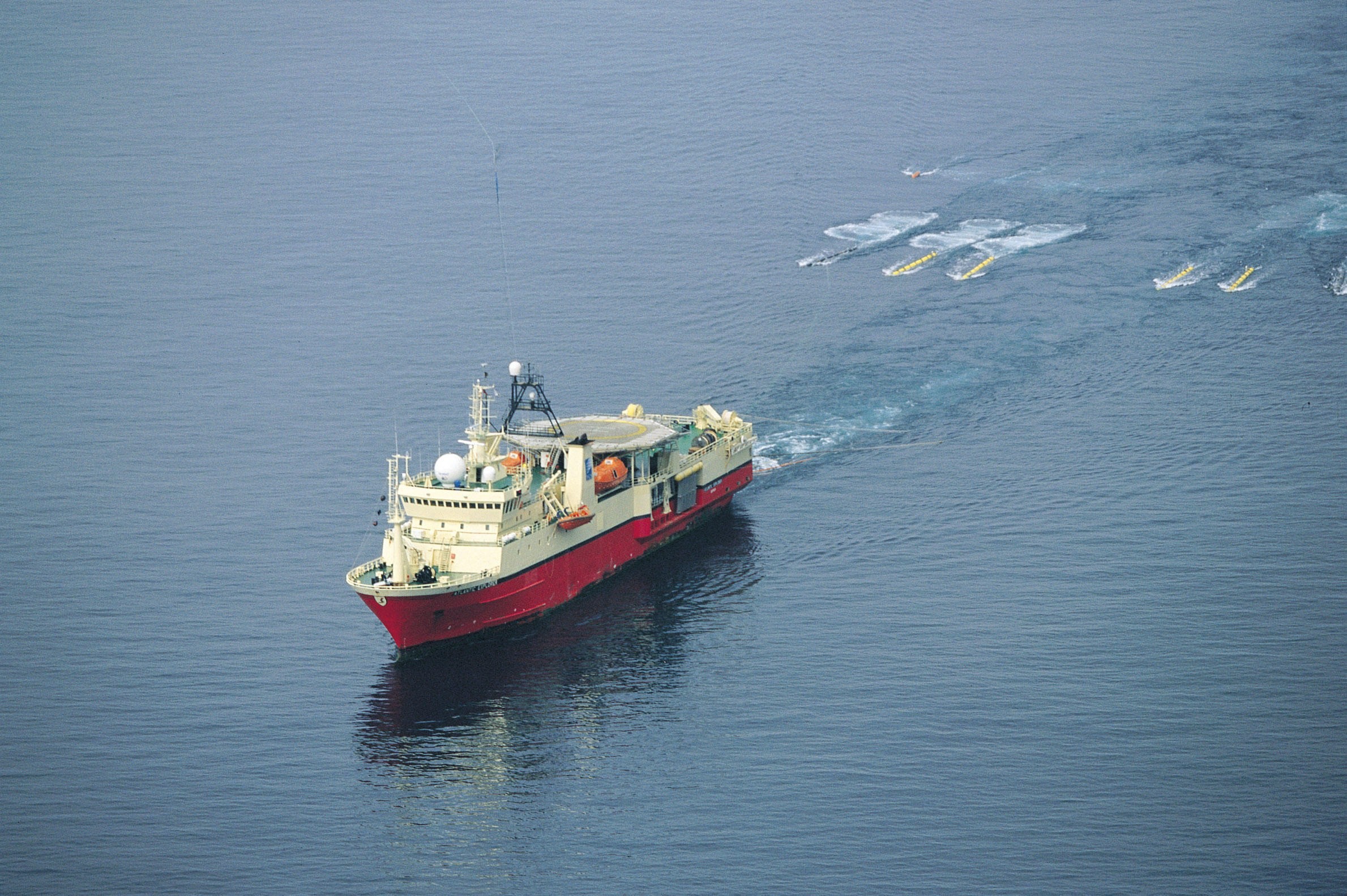

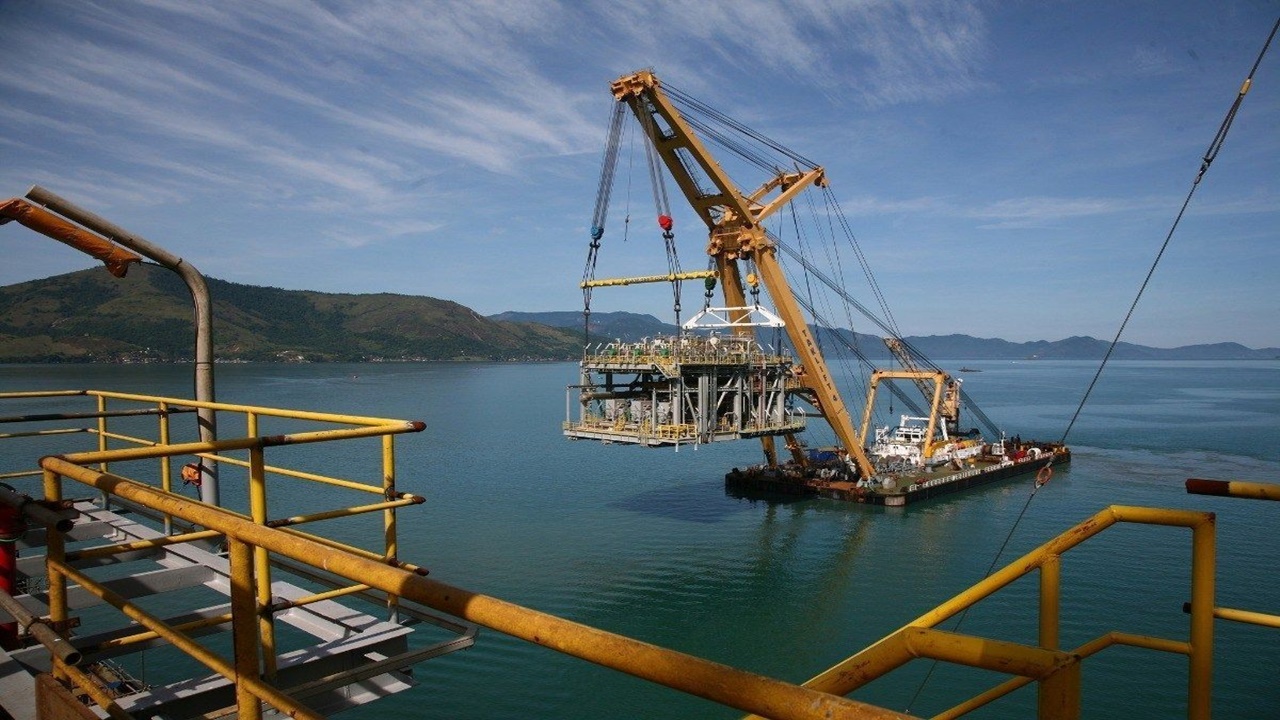
“There is a whole industry involved in decommissioning activities, from engineering design to shipyards, generating jobs and income throughout this entire chain. Worldwide, it is estimated that at least US$ 85 billion will be spent on decommissioning this decade. In Brazil, this industry is expected to generate R$ 28 billion by 2025, between well dismantling and abandonment, area recovery, and equipment removal. Most of these resources will go to the Campos and Santos basins, but there will also be opportunities in almost all regions of the country, such as in the Potiguar, Sergipe-Alagoas, Solimões, and Amazonas basins,” said Rodolfo Saboia.
Also present at the launch of the Offshore Decommissioning Notebook in Brazil were the Superintendent of Operational Safety and Environment of ANP, Raphael Moura, as well as representatives from FGV and companies in the oil and gas sector.
The event delved into diagnostics regarding the decommissioning activity in Brazil, through the perspectives of different stakeholders, aiming to address opportunities, challenges, and solutions, as well as to clarify to society the possibilities of this activity in Brazil.
About Decommissioning
Decommissioning is the set of activities associated with the definitive interruption of operations of facilities, permanent abandonment and dismantling of wells, removal of installations, proper disposal of materials, waste and by-products, environmental recovery of the area, and the preservation of local navigation safety conditions.
Click here to check the Offshore Decommissioning Notebook in Brazil – Opportunities, Challenges & Solutions
Check Below the Webinar Recording