Portuguese
  Spanish


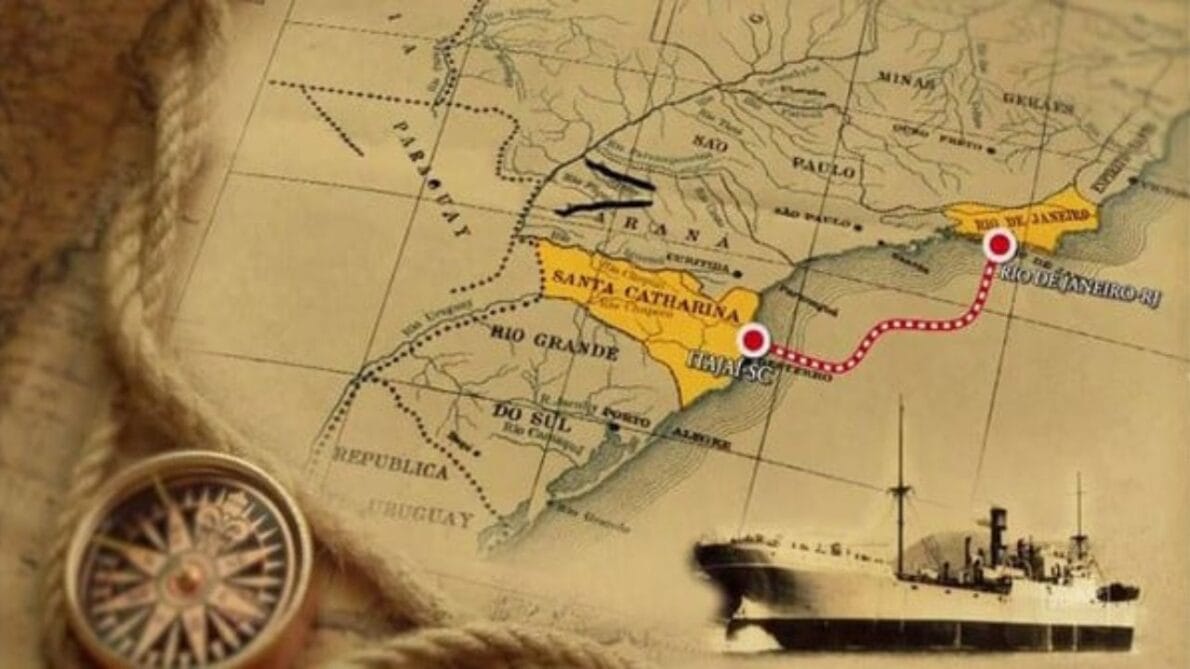

The Ship Pallas, An Imposing 19th-Century Vessel, Mysteriously Sank In The Itajai-Acu River. Its Discovery In 2017 During Work At The Port Of Itajai Revealed A Fascinating Piece Of Brazilian Maritime History.
In 2016, expansion works at the port of Itajai began with the aim of allowing the entry of larger ships. During these works, a dredger hit something large and unknown at the bottom of the river, leading to the discovery of an ancient ship.
Divers sent to investigate found pieces of the ship Pallas, a 19th-century vessel that participated in the Revolt of the Armada. Historians determined that the ship’s hull had broken apart, explaining its larger extent at the bottom of the river.
In 2017, During Dredging, Workers Discovered Something Large At The Bottom Of The River


The expansion works at the port of Itajai, initiated in 2016, aimed to widen the mouth of the river to accommodate ships up to 333 meters long. In 2017, during dredging, workers discovered something large at the bottom of the river. Initially, they thought it could be a large rock or a train carriage.
-
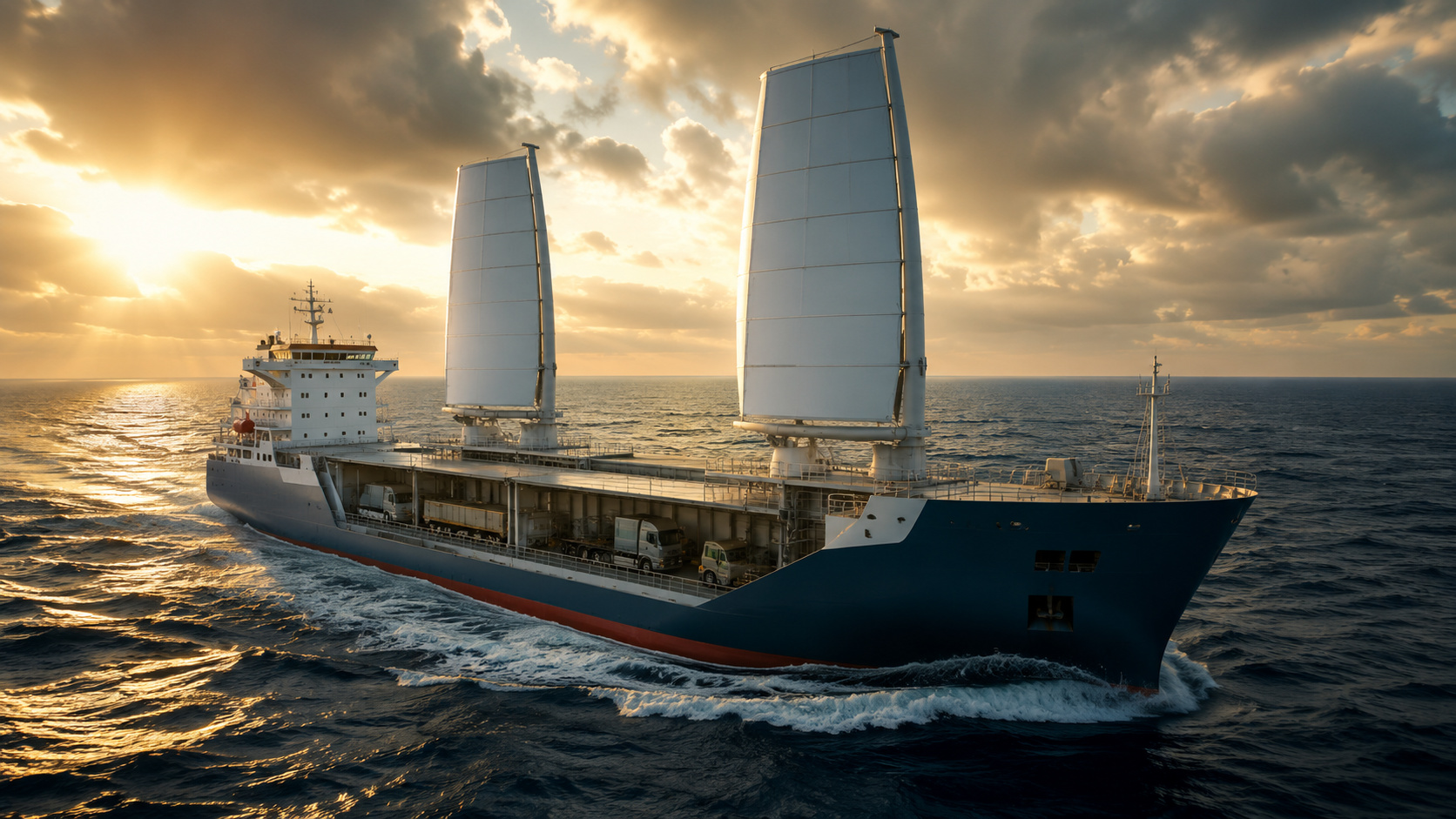
With two giant sails instead of relying solely on the engine, a modern cargo ship crosses the Atlantic carrying cars, forklifts, and goods to test less diesel in maritime transport.

-
With two giant sails instead of relying solely on the engine, a modern cargo ship crosses the Atlantic carrying cars, forklifts, and goods to test using less diesel in maritime transport.

-
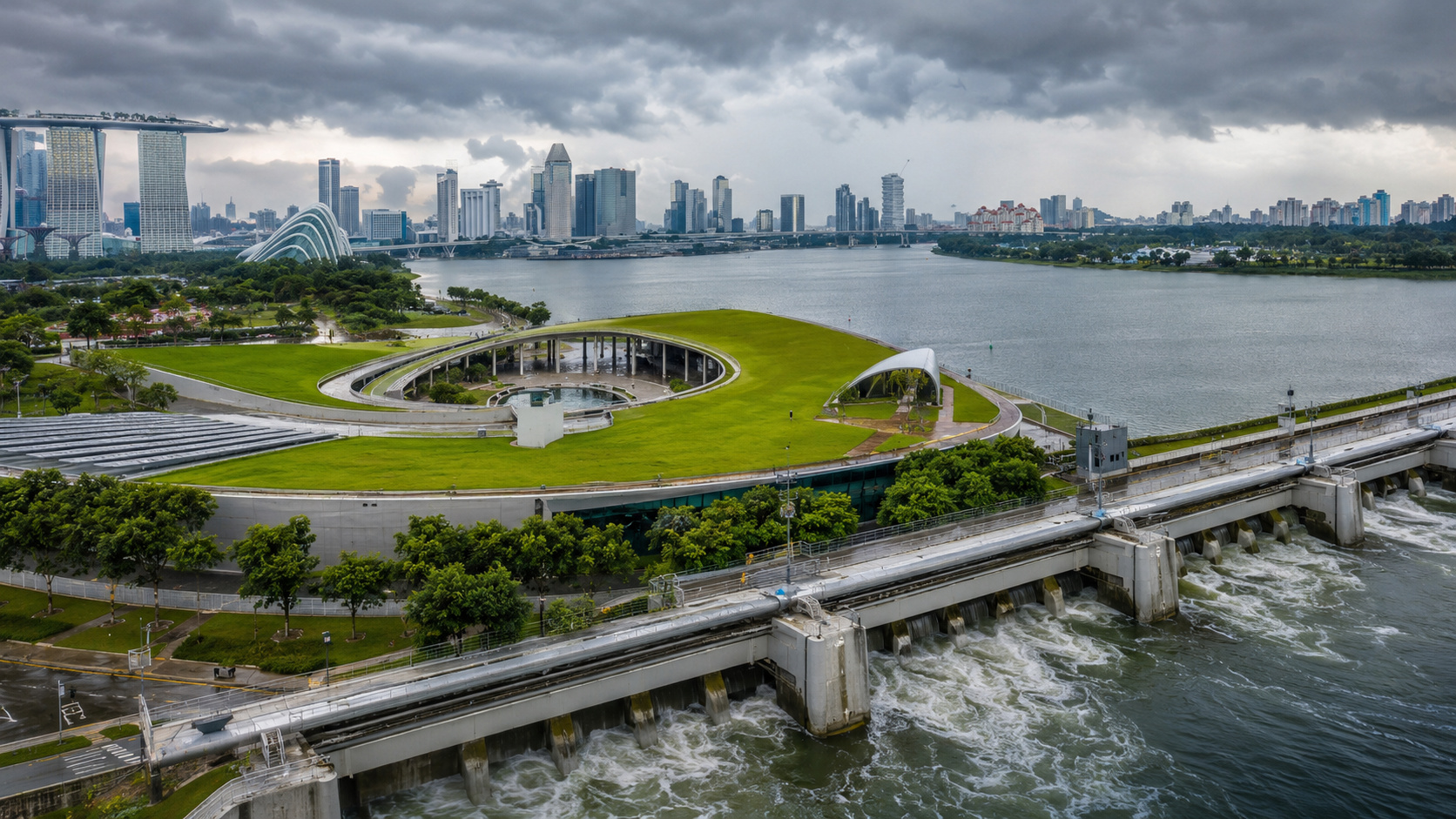
Coastal City Converts Part of Bay to Freshwater with 350-Meter Dam and Nine Gates to Prevent Flooding
-
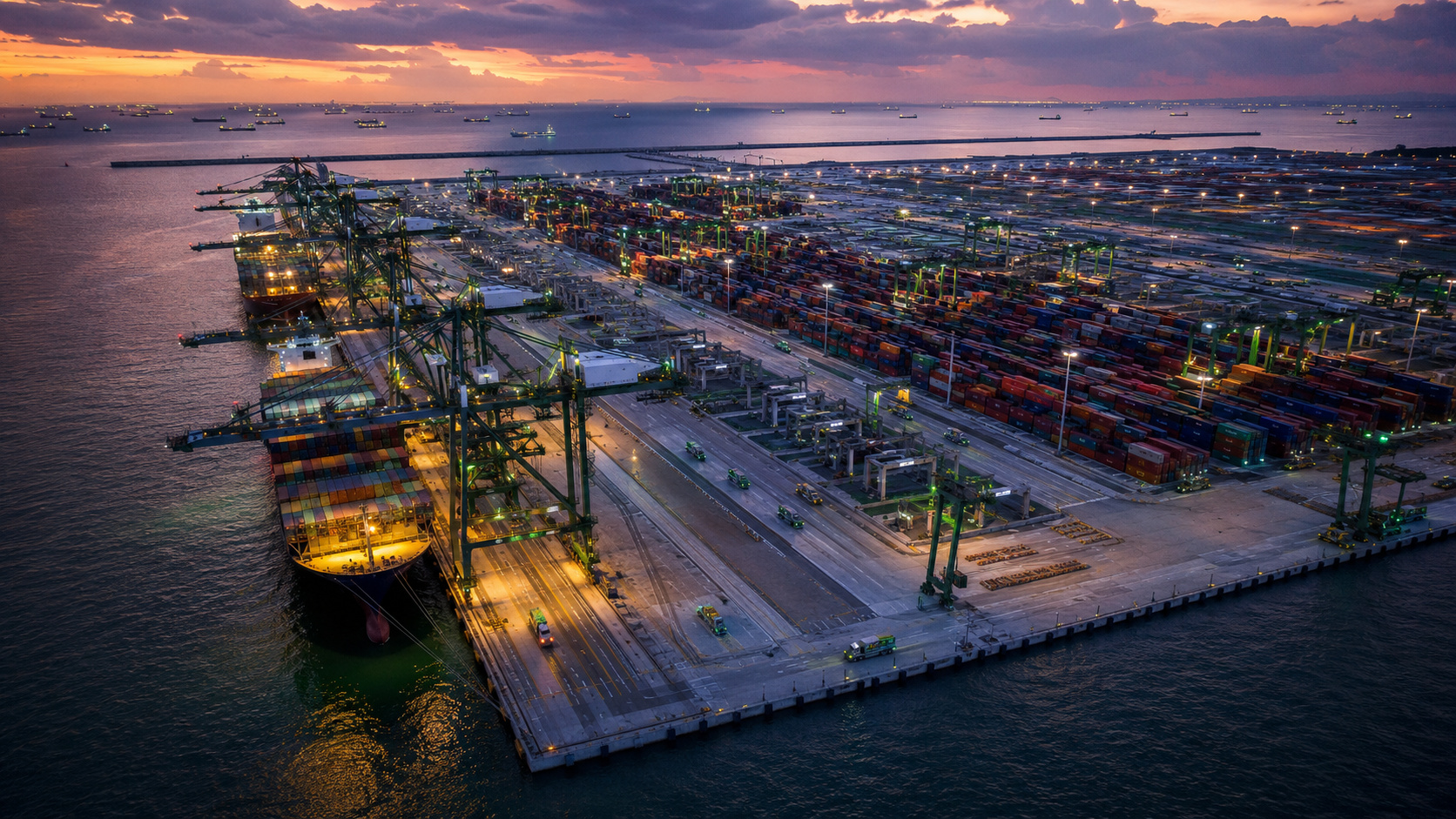
Singapore Expands into the Sea to Build 1,337-Hectare Port with 66 Berths, Electric Cranes, and Driverless Vehicles by 2040s
To clarify what was obstructing the work, divers were hired and found remains of a ship. Historians then identified the vessel as the Pallas, a 19th-century ship that had participated in the Revolt of the Armada.
The Ship Was A Refrigerated Vessel, Used To Transport Meat Between The Ports Of Rio De Janeiro And Buenos Aires
The ship Pallas, 48 meters long, was used by the rebels during the Revolt of the Armada, a movement by some sectors of the Brazilian Navy against the government of Marshal Floriano Peixoto. The ship was a refrigerated vessel, used to transport meat between the ports of Rio de Janeiro and Buenos Aires.
On October 29, 1893, the Pallas sank in the Itajai-Acu River. Curiously, historical records indicate that the day was calm, with no adverse weather conditions to justify the sinking. After the shipwreck, the vessel was looted by people from Itajai, Blumenau, and Florianopolis, who took everything of value, including metals and food.
The Ship Pallas Is Buried In The Mud Of The River In Itajai
Currently, the ship Pallas is buried in the mud of the river, making its removal a complex and delicate operation. Although the wooden structure is quite deteriorated, it is still possible to recover metal parts such as the propeller and the yard plate.
The discovery of the Pallas does not hinder current operations at the port, but the complete removal of the ship may be necessary for future expansions. Since 2018, there have been discussions about removing the Pallas for display in a local museum, but the operation has not yet started due to bureaucracy and technical challenges.
The story of the shipwreck of Pallas in the Itajai-Acu River is a fascinating reminder of the complexities and mysteries of maritime history. We eagerly await to see if, one day, the ship will be retrieved from the bottom of the river and displayed as an important piece of our historic heritage.