Portuguese
  Spanish


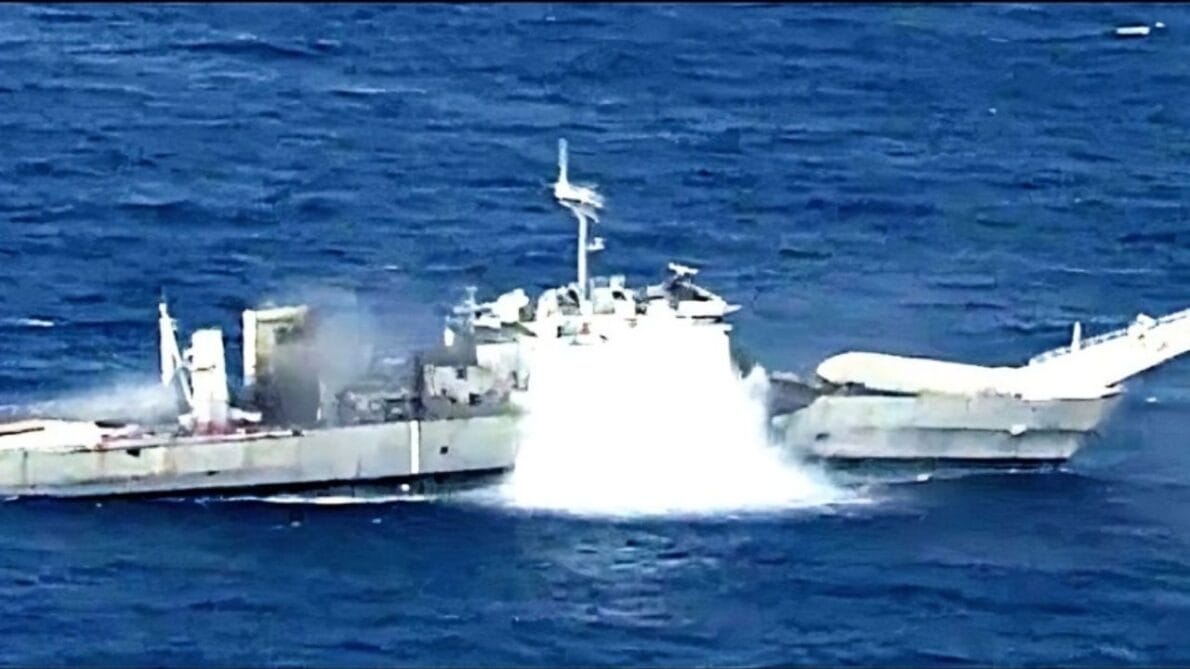


Modern Warships Face Various Threats, with Torpedoes Being One of the Most Dangerous. Defense Against These Attacks Involves a Combination of Advanced Technologies and Specific Tactics.
Since engineer Robert Fulton coined the term “torpedo” in the early 1800s, referring to underwater explosive devices, these weapons have posed a significant threat to warships. To combat this threat, navies have developed sophisticated defense systems that include sonars and countermeasure torpedoes.
Today, ship defense technology has evolved to include both passive and active sonars, which detect and track enemy torpedoes. These defenses are crucial, especially because many submarines operate at depths that complicate detection.
History of the Torpedo

The history of the torpedo begins with Robert Fulton, who in 1801 sank a small ship in Brest, France, using a 20-pound underwater mine. Since then, torpedoes have become essential weapons for navies around the world.
-
They exchanged the idea of a large house for a 35 m² warehouse, spent US$ 12,000 on the structure, and created a tiny house in Colorado with space to live and work.

-
While modern cities rely on pumps and electricity, in Iran, ancient tunnels carried water through the desert using only slope and gravity.
-
Instead of sending families far from the city, a project in Chile intentionally created incomplete houses on expensive urban land and left technical space for each to grow.
-
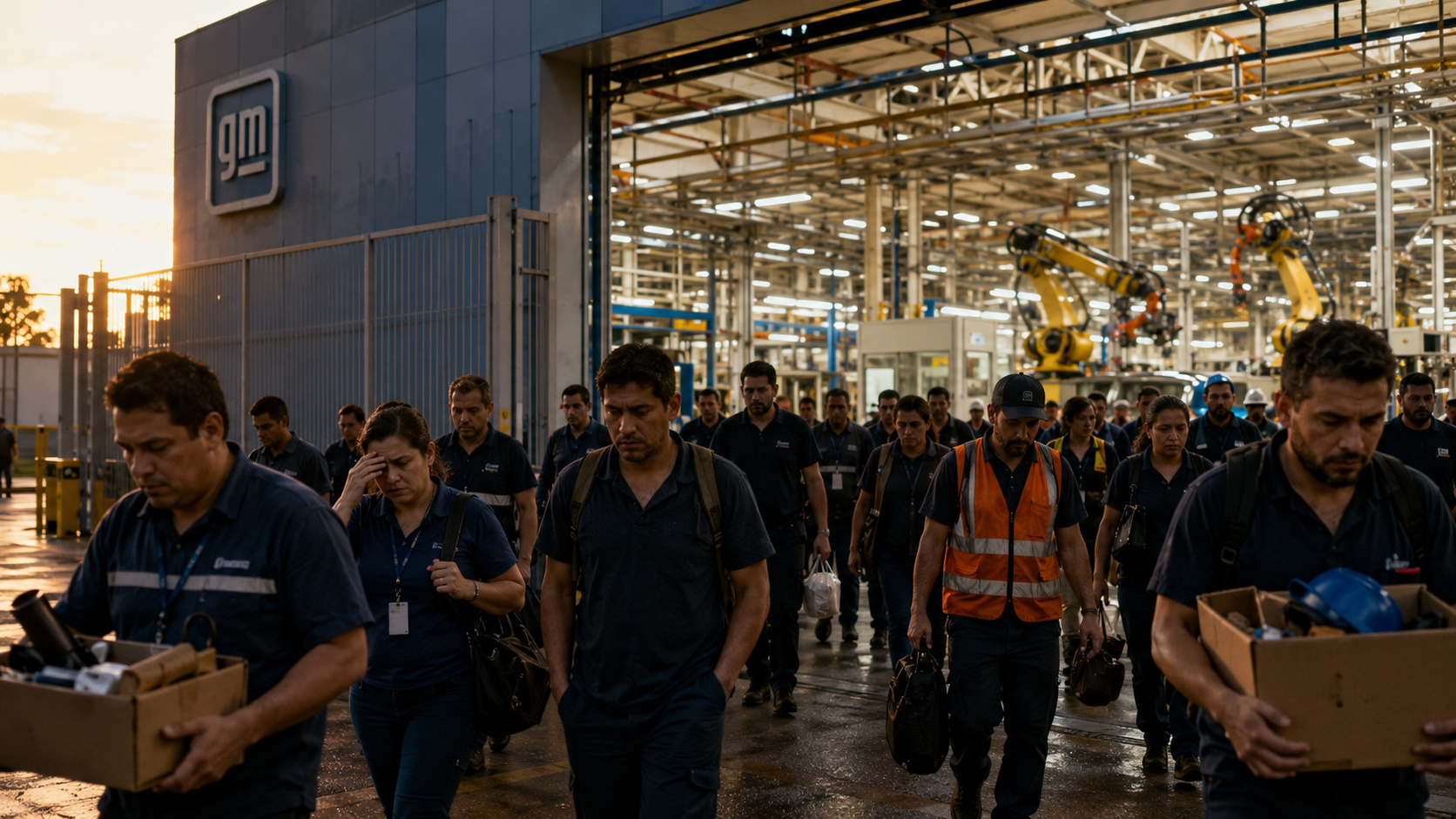
General Motors Replaces Over a Thousand Workers with 50 Cobots at Electric Vehicle Plant, UAW Union Criticizes Move Amid Industry’s Automation Push


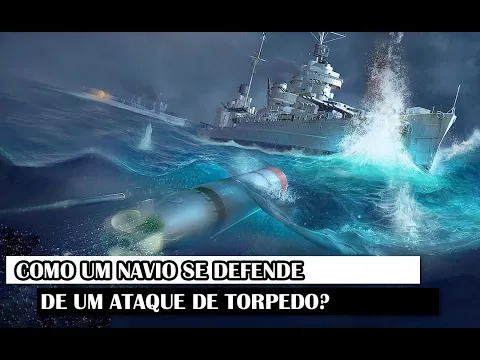
Modern ships defend themselves against torpedoes using a variety of systems. Passive and active sonars are crucial for detecting the approach of torpedoes. The passive sonar listens for underwater sounds, while the active sonar emits signals that reflect off submerged objects, helping to identify torpedoes. The future Tamandaré-class frigates of the Brazilian Navy, for example, will be equipped with the Atlas Elektronik AS 713 sonar, capable of monitoring underwater situations, detecting, classifying, and tracking targets.
Ships Use Countermeasures Such as the Countermeasure Torpedo
When an enemy torpedo is detected, ships use countermeasures such as the countermeasure torpedo, designed to intercept and destroy enemy torpedoes before they reach the ship. However, these systems are not always 100% effective. Research indicates that countermeasure torpedoes, although destructive, may fail in extreme situations.
Another defensive technique is the use of acoustic masking systems, which emit air bubbles to confuse enemy torpedo sonars. The Nixie system, used to deceive torpedoes, emits sounds similar to those of the ship, diverting the attention of enemy sensors.
American Torpedoes MK 54 and MK 50 Are Used in Coastal Waters
The ships of the Brazilian Navy, although they do not possess the AN/SLQ-25 Nixie system, have other technologies. The American torpedoes MK 54 and MK 50, for example, are used in coastal and deep waters, respectively, and are designed to destroy enemy torpedoes.
Finally, advanced torpedoes, such as the British surface torpedo with active sonar, represent a greater challenge. These torpedoes can identify and discriminate the sounds of ships with precision and can be automatically reactivated if deceived, returning to attack again until the target is destroyed.
Defense against torpedoes involves a complex set of technologies and strategies. Despite advancements, the threat posed by heavy and sophisticated torpedoes remains, and navies continue to invest in research and development to enhance their defenses.