






 Portuguese
  Spanish


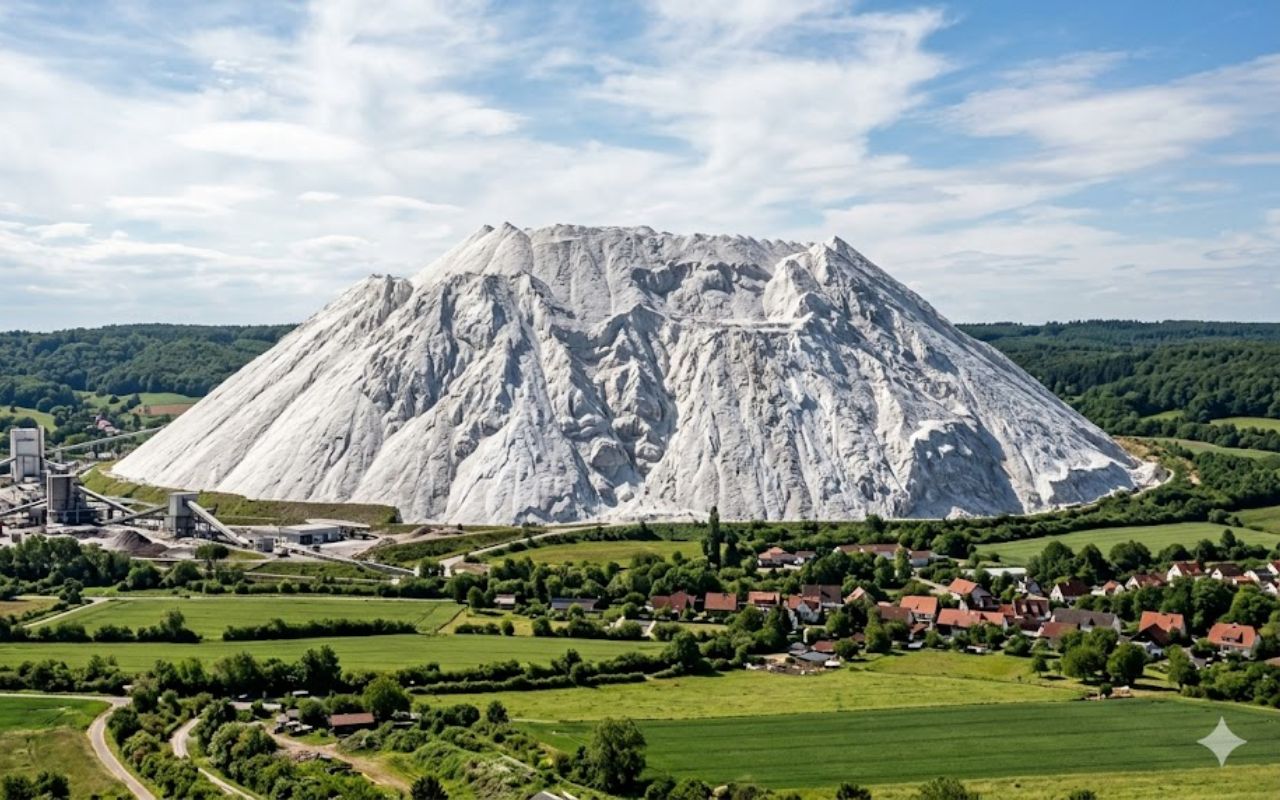


Mount Kali in Heringen, Germany, Is the World’s Largest Salt Mountain. Learn How It Formed, Its Environmental Impacts, and Why It Attracts Thousands of Tourists Annually.
In Heringen, about 715 km from Berlin, a pile of salt stands out in the landscape: Mount Kali. With over 200 meters high and approximately 200 million tons of salt, it is the result of potash mining that began in 1903 by the company Wintershall.
Today, Mount Kali is the largest salt mountain in the world and attracts both tourists and curious onlookers for its grandeur.
Also known as Kalimanjaro, in reference to the German word “Kalisalz” (potash) and Mount Kilimanjaro in Africa, Mount Kali spans over 90 hectares.
-
Brazilian Farmer Builds 8-Ton Tractor from Army Truck Engine, Plants Over 100 Hectares of Soybeans

-
11-Year-Old Entrepreneur Turns Fear of Bees into Honey Lemonade, Wins $60,000 on Shark Tank, Secures Whole Foods Deal, and Expands Brand Across U.S. Stores

-
9-Year-Old in Brazil Sells Homemade Sweets to Support Grandfather with Parkinson’s, Family Dreams of Buying Candy-Making Machine
-
Man Disguises as His Own Mother to Collect €3,000 Monthly Pension, but Makeup and Beard Stubble Raise Suspicions at Registry Office





The most accelerated growth started in 1973, when the mining company K+S began depositing sodium chloride waste, a byproduct of potash extraction, forming the famous white slopes.
Mount Kali: A Man-Made Mountain
Unlike natural mountains, Mount Kali is artificial, formed by the continuous accumulation of industrial waste.
Decades of disposal have transformed the site into a true pile visible from kilometers away.
Its steep slopes and intense white color have become a visual and industrial landmark, standing out in the Heringen region.
The name Kalimanjaro reflects the curious nature of the site: the combination of the most famous African mountain and the German word for potash shows the creativity of those who named this unique mountain.
Environmental Effects
Despite being impressive, Mount Kali has brought serious environmental impacts. The salt seeps into the soil, making it unproductive, and limits vegetation to a few resilient species.
Additionally, nearby rivers and groundwater have been contaminated, altering the natural balance of the region.
The company K+S is permitted to continue operations until 2030, which means that Mount Kali and other smaller nearby piles will continue to grow, further increasing environmental effects.
A Unique Tourist Spot
Even with the ecological impacts, Mount Kali attracts around 10 thousand visitors per year. People climb its slopes to observe the white mountain up close and learn about this industrial phenomenon.
Mount Kali combines mining history, unique landscape, and geographical curiosity, making it a distinctive destination for locals, tourists, and photographers.
The grandeur of the pile and its intense color contrast with the surrounding area, making it visually unforgettable.
With information from Mega Curioso.


É só fazer um processo de purificação, ensacar e vender. A mineradora poderia terceirizar essa operação, e ficaria até bem na mídia
Gananciosos e soberanos, acima de todos e com muita vontade de destruir, assim é o homem. A natureza é covardemente destruída dia após dia e simplesmente ficamos esperando ajuda DIVINA. Quero que essa nova geração faça as mudanças necessárias para sobrevivência humana.
Impressionante não haver, na Alemanha, medidas para a mitigação dos impactos. No Brasil a empresa teria dificuldades. Tomara q exista algum plano de recuperação da área degradada.