






 Portuguese
  Spanish
  3 min of reading
  0 comments


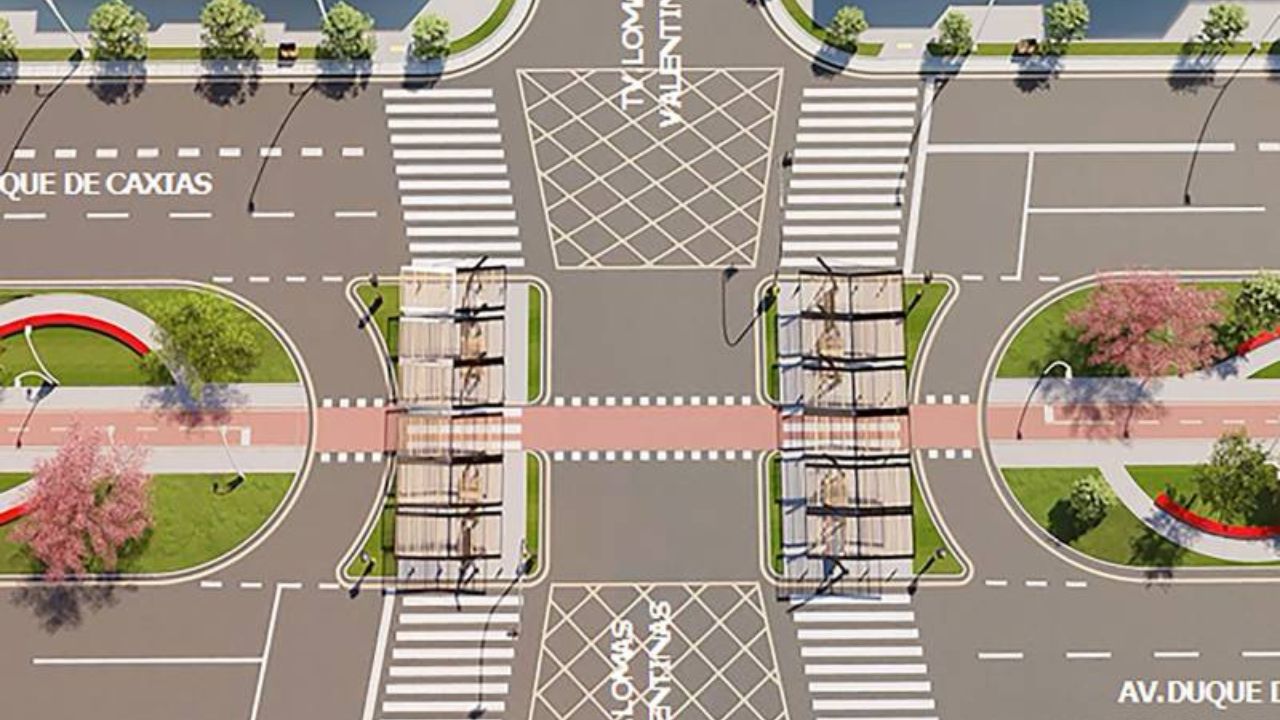
With Billion-Dollar Investments and Works Across the City, the Capital of Pará Transforms to Host the World’s Largest Climate Event and Leave a Legacy of Mobility and Sustainability for Its Residents.
Belém, the capital of Pará, is the gateway to the largest tropical forest on the planet. In 2025, the historic city will become the center of global climate discussions by hosting COP 30. To host this monumental event, an ambitious construction project is underway: the Smart Roads, an initiative that promises to modernize urban infrastructure and leave a lasting legacy for the population.
What Is COP 30 and the Historic Choice for Belém?
The Conference of the Parties (COP) is the main global meeting on climate change, bringing together nearly 200 countries annually. The goal is to discuss strategies to reduce greenhouse gas emissions and combat global warming.
Scheduled for November 2025, COP 30 will be the first edition held in a city in the Amazon. The choice of Belém carries enormous symbolic weight. It places the forest at the center of global environmental decisions and reinforces the urgency of climate debate. For the federal government, the event is an opportunity to reposition Brazil as an environmental leader and demonstrate that it is possible to integrate urban and environmental policies.
-
Bolivian Female Construction Workers Form Association to Combat Discrimination and 38% Pay Gap in the Industry

-
Near Amsterdam, residents buy land and discover they must also build streets, manage drainage, handle waste, and grow food on half their plot.
-
Brazil’s WEG to Open New Factory in China by 2027, Expanding Production of Large Rotating Electric Machines and Low to Medium Voltage Motors in Rugao

-
Chinese Shipyard Secures $1 Billion in Orders for Low-Carbon Container Ships Amid Global Fleet Renewal Efforts


Technology and Sustainability in Infrastructure Construction
Far from being a simple renovation, the Smart Roads construction project is a comprehensive set of urban interventions. The plan aims to transform the road system of the capital of Pará to ensure mobility during COP 30 and for the future. More than 300 streets are being revitalized, totaling approximately 100 km of renovated roads.
These corridors, which connect strategic points such as the airport and event centers, will receive significant improvements:
- Safety: Interactive crosswalks with lighting signals.
- Connectivity: Modern bus stops with digital kiosks and free Wi-Fi.
- Flow: “Green wave” systems to synchronize traffic lights and optimize traffic.
- Sustainability: Public lighting with LED lamps and smart sensors for energy saving.
- Drainage: Improvements in the rainwater drainage system to combat historic flooding.
The Construction Schedule for the Climate Event
With COP 30 approaching, the works in Belém are progressing rapidly. The total investment, including municipal, state, federal, and international resources, has already surpassed billions of reais.
The first interventions began in 2024. By March 2025, construction sites have spread across various neighborhoods, with dozens of active work fronts. The construction of new drainage galleries and the implementation of rain gardens are priorities in the most critical areas.
Important avenues such as Almirante Barroso, Doutor Freitas, and Pedro Álvares Cabral are already underway. The execution will follow a schedule of phased deliveries, prioritizing the sections with the greatest impact on the flow of COP 30 visitors.
The Future of Belém After COP 30
The effects of the construction project will be felt before, during, and after the event. The expectation is that the local population will already notice improvements in vehicle flow and road safety. During COP 30, the new infrastructure will be essential to ensure the mobility of delegations and visitors.
The great legacy, however, will be permanent. After the event, the residents of Belém will have a city with less congestion, faster public transportation, reduced flooding, and improved quality of life. The integration of bike paths, green areas, and urban technologies will benefit the population for many years.
An Example of Development for the Amazon
The Smart Roads project is more than just a mobility initiative. It represents a milestone in transforming Belém into a model of sustainable development in the heart of the Amazon. In preparing for COP 30, the city demonstrates to the world that it is possible to reconcile urban growth with environmental responsibility. The ongoing construction is a visible symbol of a new chapter in the history of the capital of Pará and the entire Amazon region.
With information from Construction Time.





Be the first to react!