





 Portuguese
  English
  Spanish
  2 min of reading


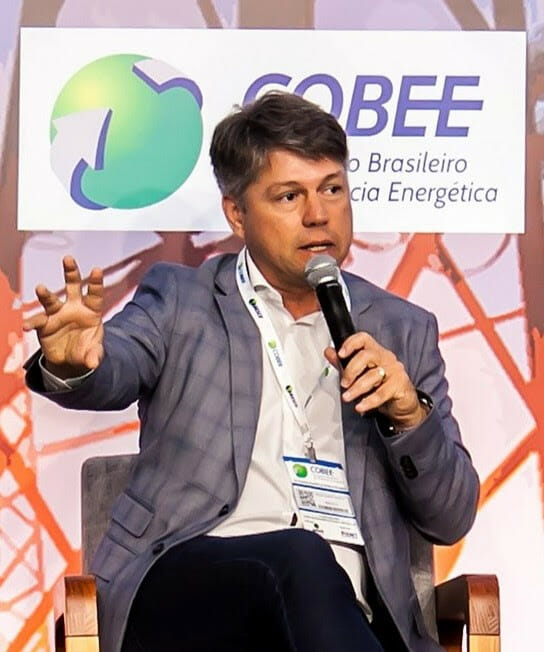
Saving on Your Electricity Bill: A Practical Guide by Experts for Smarter Consumption.
The rise in costs of residential electricity is felt by consumers, marking an increase of 0.23% in the Broad National Consumer Price Index (IPCA). In August, all regions covered by the Brazilian Institute of Geography and Statistics (IBGE) felt the impact, with the most significant increases in Vitória (9.64%), Belém (8.84%), and Goiânia (7.05%).
Economic Context: Rising Electricity Prices
Bruno Herbert, leader of the Brazilian Association of Energy Conservation Service Companies (ABESCO), identifies the end of the incorporation of the Itaipu bonus as one of the drivers of the increase. He foresees challenges, considering that the National Electric Energy Agency (Aneel) signals substantial adjustments – 44.4% for residents of Amapá.
In light of this scenario, adopting energy efficiency practices appears as a promising way to mitigate expenses. The already burdensome bill can be worsened due to common mistakes in electricity usage. The president of ABESCO shares five frequent mistakes:
-
Senate approves explosive measures that could cost R$ 263.7 billion and include rural refinancing, a minimum wage of R$ 13,662 for doctors and dentists, and special retirement for health agents.

-
Residents are forced every day to pay R$ 24 in tolls and descend 16 km down a mountain to get home because all the turnarounds near the neighborhood have been blocked, and the nearest one is only down in Morretes.

-
São Paulo government announces R$ 76.9 million for urban infrastructure, and 28 cities in the Central region are included in the list of projects that may change streets, lighting, drainage, schools, leisure, health, and municipal services.

-
As the world closes in on conflicts, China has opened the vault in Latin America, with a record trade of 549 billion dollars in 2025, imports up by 27.6%, and nearly one million jobs, and stated at the Macau forum that it is here to stay in the region.



Hidden Wastes: Where Your Energy Hides
- Stand By: Keeping gadgets in standby mode increases energy consumption. Bruno suggests turning off non-essential devices to minimize their effects on the bill. Being away for long periods makes this even more crucial.
- Shower: A shower on the winter setting consumes 30% more than on the summer option. Reducing time under the shower and opting for efficient models can result in double savings: on electricity and water.
- Refrigeration: Behaviors such as frequently opening the refrigerator, not checking the integrity of seals, and using the appliance as a drying rack compromise its performance. Bruno advises checking consumption on the Aneel website to consider upgrading the equipment.
- Lighting: Incandescent bulbs are responsible for 75% of lighting costs. The solution? Switch to LED or fluorescent bulbs and optimize natural light.
- Air Conditioning: Devices without the Procel label or poorly maintained inflate the bill annually. Balancing the temperature and ensuring maintenance translate into considerable savings.
Regardless of tariff fluctuations, attention to conscious consumption throughout the months is vital. “Simple changes in daily habits reflect significant savings, benefiting the environment and extending the lifespan of finite resources,” concludes the expert.
About ABESCO
The Brazilian Association of Energy Conservation Service Companies (ABESCO), established in 1997, represents the Energy Efficiency sector in Brazil. With members from various fields, ABESCO’s mission is to boost the market by promoting methods to achieve greater productivity with less energy.
Source: RS PRESS – Nadja Cortes


Be the first to react!