Portuguese
  Spanish


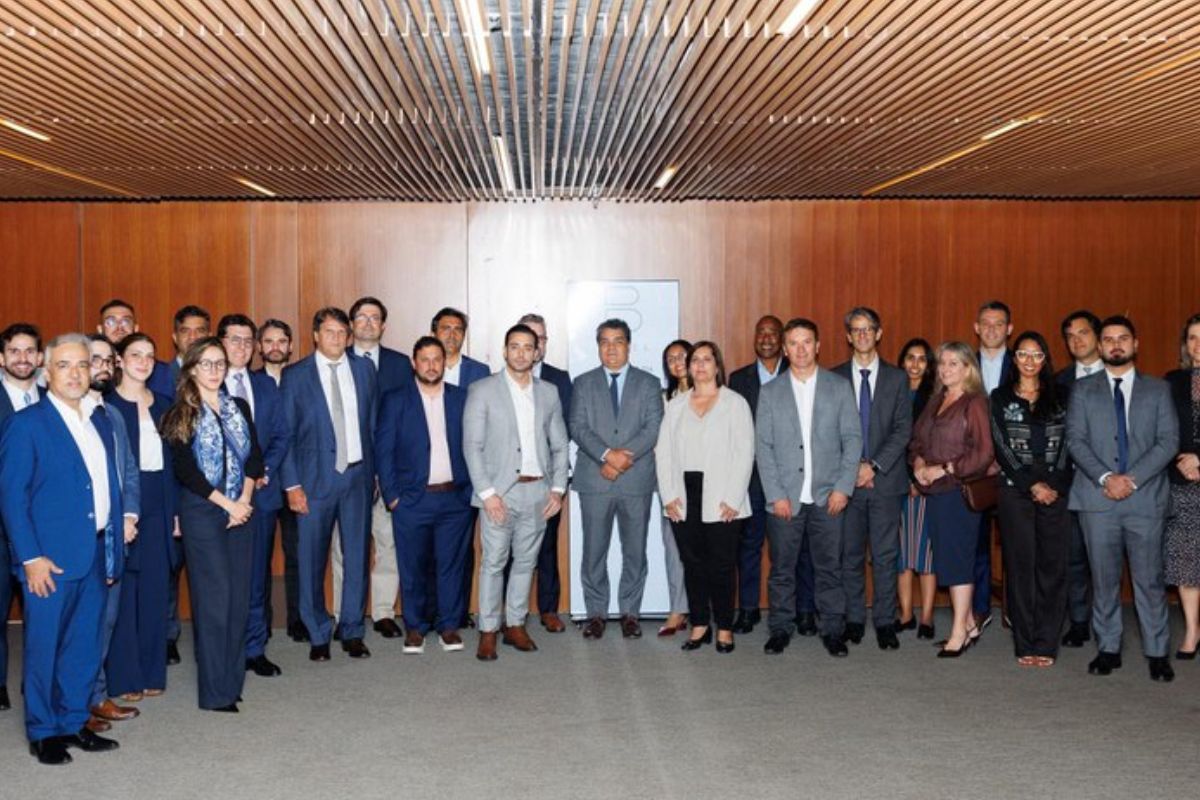

In An Official Ceremony Celebrating World Fertilizer Day, Mapa Leads New Assembly to Create Structure That Boosts Technological Autonomy and Integrates Sustainable Plant Nutrition Technologies in the Country
The World Fertilizer Day is a symbolic and strategic moment for Brazilian agriculture, according to a report published.
On the chosen date (October 13), the Ministry of Agriculture and Livestock (Mapa) participated in the Founding Assembly that structured the Center of Excellence in Fertilizers and Plant Nutrition (CEFENP).
The initiative emerges as a central tool to reduce the country’s vulnerability in the face of imports of essential resources.
-
Producer receives news and had to cull almost the entire herd, bounced back with the help of compensation, and is now producing 450 liters of milk per day in SC.

-
Quail Eggs Reveal a “Secret Code” on Their Shells Explaining Unique Patterns and Colors

-
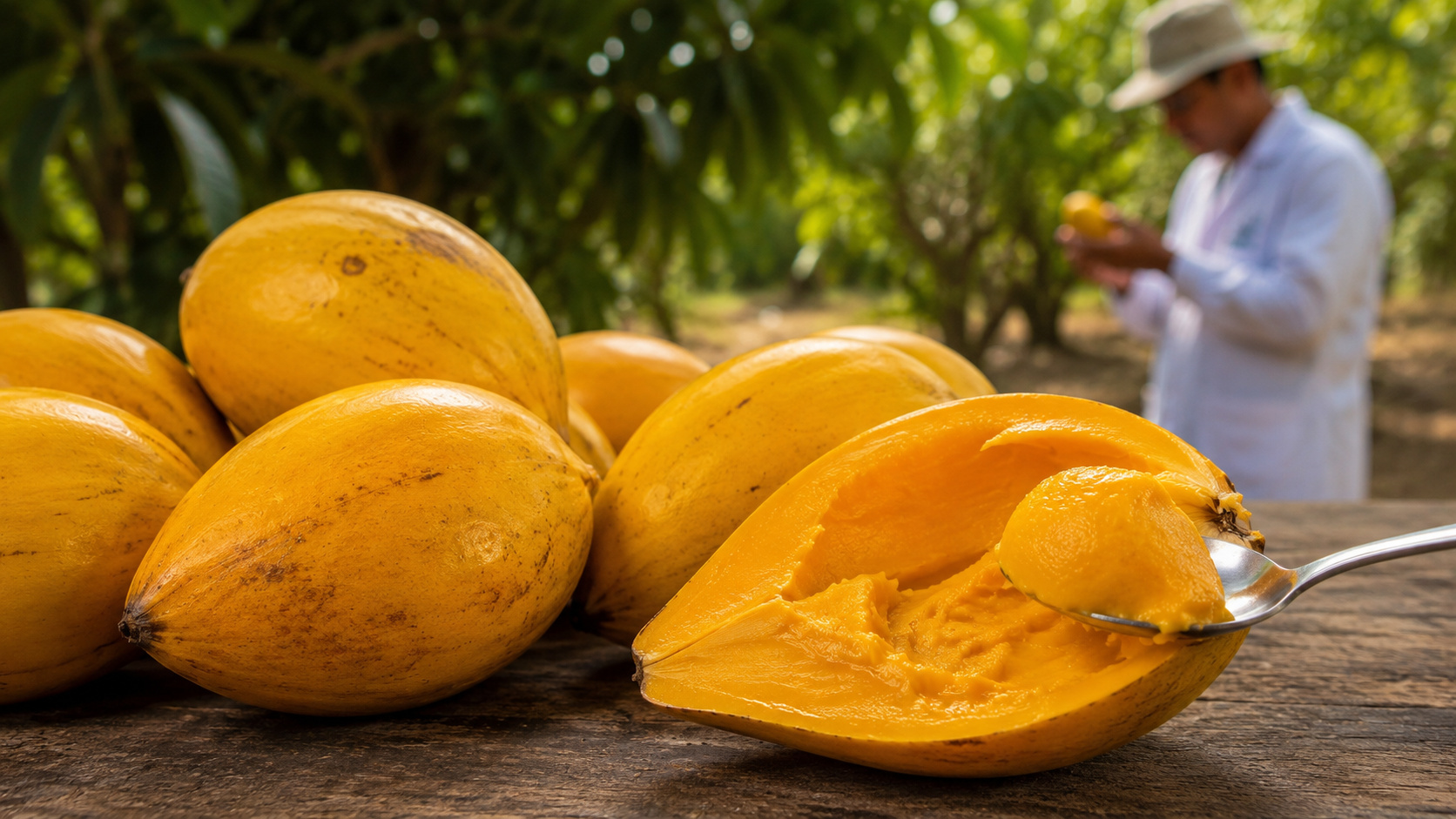
Rare Tropical Fruit Canistel, with Egg Yolk Color and Caramel Flavor, Gains Interest from Researchers and Small Producers in Brazil
-
Farmer Revives Arid, Abandoned Land in Brazil’s Bahia into Thriving Forest, Demonstrates How ‘Syntropic Agriculture’ Can Transform Rural Futures


Although Brazil accounts for about 85% of the fertilizers used being imported, the new center intends to accelerate technological advancement adapted to the tropical regime. Future actions should involve government, market, and universities.
Fertilizer Center in Brazil Stimulates Local Innovation
The creation of CEFENP sets in motion an effort to solidify a fertilizer center in Brazil with institutional identity and a focus on applied research.
The assembly held last Monday (13) celebrated World Fertilizer Day and formalized the commitment to reducing dependence on imported fertilizers and invested in the governance of this new organism.
The alliance established between Mapa, Embrapa, and other institutions reflects this purpose. The center will seek to develop tailored formulations for acidic or tropical soils, unlike solutions designed for temperate climates.
Reduction of Dependence on Imported Fertilizers is Central Goal
The increasing fluctuation of international prices and geopolitical tensions highlight the risk of relying on external sources.
In this context, the plan to reduce dependence on imported fertilizers assumes a foundational role.
At the assembly, which commemorated World Fertilizer Day, Mapa led the technical process alongside the National Council of Fertilizers and Plant Nutrition (CONFERT), with assistance from universities and the private sector.
Institutes like CETEM and SGB committed to collaborate on chemical and mineralogical evaluations that support competitive national production.
World Fertilizer Day: Sustainable Plant Nutrition Technologies as a Differentiator
CEFENP should support the development of low-carbon sustainable plant nutrition technologies that maximize input efficiency and reduce environmental impacts.
The goal is not only to replace imports but to produce innovations that make agriculture more resilient.
Partnerships include IFDC, UNIDO, and DEFRA, in addition to universities such as UFV, UFMT, and UFRJ. The initial target is that by 2025, some of the research will be ready for presentation during COP 30 in Belém.
Technological Autonomy for Tropical Agriculture and Institutional Strengthening
The expression technological autonomy for tropical agriculture translates the purpose of the new center. More than 90% of the technologies applied today result from models adapted to distinct climates, which reduces efficiency in Brazil.
CEFENP will act as an institutional bridge between academia, the industrial sector, and the federal government, aligned with the National Fertilizer Plan 2025.
This articulation will allow regional research to convert into scalable products, with local and strategic support.
The initiative was structured to be directly connected to the National Fertilizer Plan 2025, providing technical and institutional backing to the goals of the sectoral public policy.
Mapa leads the coordination, with participation from state entities such as Pesagro/RJ and INEA, in addition to universities and companies like Petrobras.
During the event, which celebrated World Fertilizer Day, the Food Sovereignty Ambassadors Award 2025 was presented to CONFERT and its federal partners. The assembly institutionalized the broadest sectoral coalition seen in Brazil in this niche.
In the assembly episode held on World Fertilizer Day (October 13), this strategic step inaugurates a promising path towards self-sufficiency and sustainable innovation in the agrochemical sector in Brazil.