






 Portuguese
  Spanish


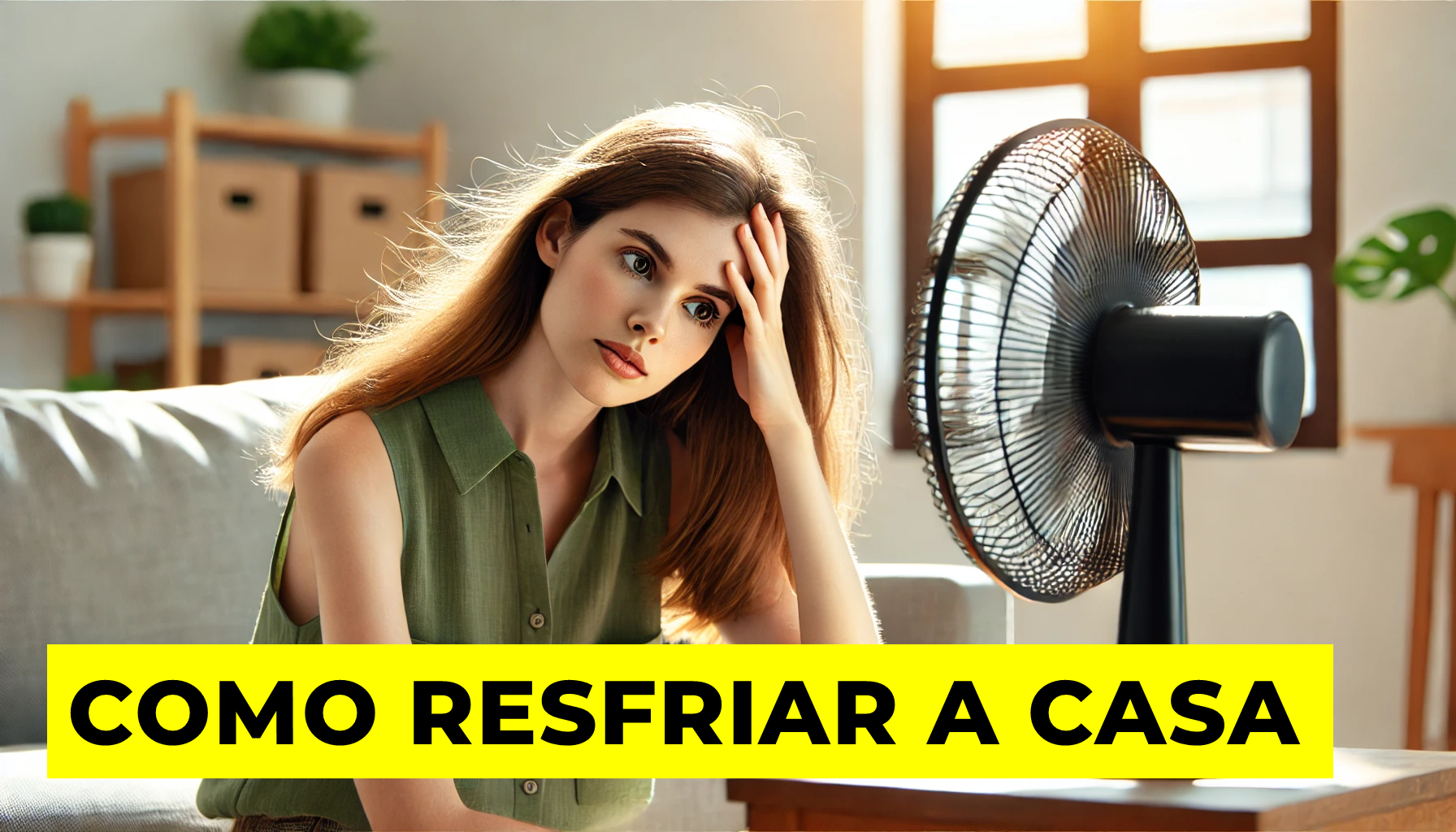


Strategies Like Proper Ventilation, Use of Curtains, and Natural Cooling Help Reduce the Heat in the House Without the Need for Air Conditioning.
With the arrival of intense heat every year, keeping the house cool without relying on air conditioning becomes a necessity for many people. Fortunately, there are several effective strategies that can be adopted to reduce the indoor temperature in an economical and sustainable way.
Besides providing thermal comfort, these measures can help reduce electricity consumption and minimize the environmental impact associated with the excessive use of mechanical cooling systems. All of this is possible without air conditioning.
Improving Natural Ventilation to Reduce Heat
Air circulation is an essential factor in avoiding heat build-up inside the house. Some techniques help optimize this ventilation:
-
Strawberry Moon to Be Visible in Brazil on Monday (29th); Here’s When and How to Watch

-
Driver Crosses 100-Year-Old Railway Bridge Over Uruguay River, Encounters Rural Couple Preserving Traditional Farming Methods
-
Rural Producer Returns to Brazilian Farmland, Builds Family Agricultural Business with Children’s Support and Industry Backing
-
Goiás Couple Boosts Artisan Cheese Production from 25 to 70 Kilos Daily with Technical Support, Transforming Family Life in Rural Brazil



- Cross Breezes: Opening opposite windows allows hot air to escape and fresh air to enter, creating efficient renewal. This can be enhanced by using fans to direct air movement within the environment.
- Strategic Use of Fans: Positioning a fan facing outward near a window helps expel hot air. For an extra cooling effect, placing a container with ice in front of the fan can cool the air before it circulates, providing greater thermal relief on hotter days.
- Taking Advantage of Night Ventilation: At night, opening windows and internal doors facilitates air exchange. In multi-story houses, opening both upper and lower windows at the same time helps hot air escape and cold air enter. An alternative is to use exhaust fans to accelerate the removal of hot air accumulated during the day.
Protection Against Solar Radiation
The heat that enters through direct sun exposure can be reduced with simple measures such as:
- Curtains and Blinds: Keeping curtains closed during the hottest hours reduces indoor temperature. Thermal or light-colored curtains reflect sunlight better, preventing rooms from overheating.
- Awnings and Reflective Films: External awnings block direct sunlight. Reflective films reduce heat without compromising brightness. Additionally, some films have technology that filters UV rays, reducing wear on furniture and floors.
- Natural Shading: Trees and climbing plants can be strategically planted to provide shade in certain areas of the house, decreasing internal heating. In outdoor areas, green coverings, such as trellises with plants, can also help reduce direct solar incidence.
- Green Roofs: If possible, installing a green roof can help reduce indoor temperature, as plants retain less heat and create a milder microclimate.
Reduction of Internal Heat
Not all heat comes from outside. Some activities and household appliances contribute to increased temperature:
- Lightbulb Replacement: Incandescent bulbs generate a lot of heat. Replacing them with LEDs reduces heat emission and energy consumption. Additionally, using natural lighting whenever possible helps avoid unnecessary heat generation inside the house.
- Moderate Use of Appliances: Ovens and stoves considerably raise kitchen temperatures. Whenever possible, prioritize cold meals or use the microwave. Ironing clothes and using washing machines or dishwashers at night also helps avoid unnecessary heating during the day.
- Turning Off Electronics: Electronic devices on standby continue to emit heat. Completely turning off these devices when not in use can make a small but significant difference in ambient temperature.
Choice of Appropriate Materials and Fabrics
The type of material used in the house directly influences thermal sensation:
- Light Fabrics and Light Colors: Choosing cotton or linen sheets improves breathability and avoids heat accumulation. Removing thick carpets can contribute to a cooler environment, especially on heat-retaining floors like carpets.
- Thermal Coatings: Painting external walls with light colors reduces heat absorption. Roofs can be covered with reflective thermal paints to avoid heat accumulation. Additionally, installing thermal insulators in walls and roofs helps maintain a more stable internal temperature.
- Cool Furniture and Surfaces: Using light-colored wooden furniture, avoiding synthetic upholstery, and preferring breathable materials can help reduce the sensation of heat inside the house.
Natural Elements for Cooling
Plants and water help create a more pleasant thermal sensation:
- Cooling Plants: Species such as aloe vera, ferns, and bamboo palms increase humidity and filter the air, making the environment more comfortable.
- Water Features and Humidifiers: Small containers with water or a humidifier help cool the environment. In outdoor areas, spraying water on the ground reduces temperature. Decorative water features can also contribute to a cooling effect through evaporation.
- Use of Ice Containers: Another option is to place large containers with ice or cold water in the corners of rooms. The melting ice cools the environment and helps reduce thermal sensation.
By combining various strategies, it is possible to keep the house cool efficiently and economically. The use of proper ventilation, solar protection, and reduction of internal heat sources are effective ways to face hotter days without relying on air conditioning.
Additionally, these measures contribute to a more sustainable environment, reducing environmental impact and promoting greater thermal comfort throughout the year.


