





 Portuguese
  English
  Spanish
  4 min of reading
  0 comments


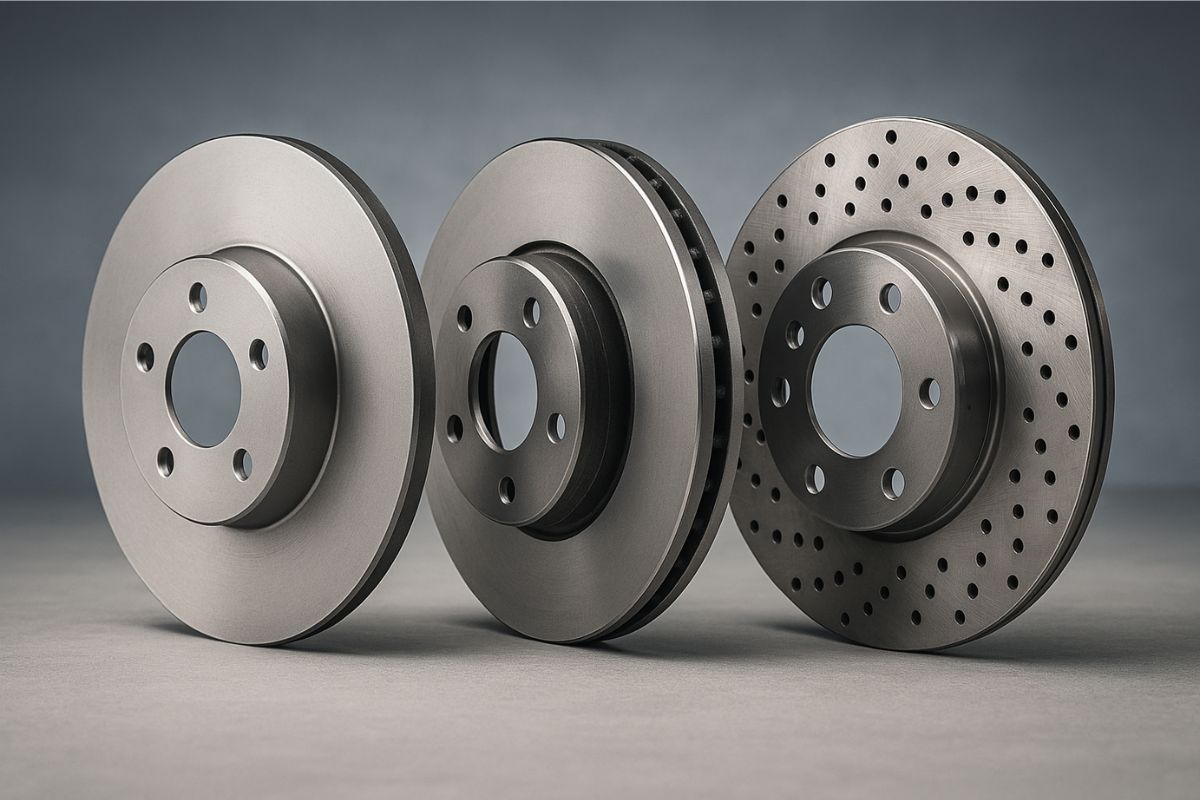
Braking Safely Goes Beyond the Pedal: Discover the Most Common Types of Brakes Used in Brazilian Cars and Understand Why Ventilated and Drilled Discs Dominate Sports and High-Performance Vehicles
If there is one part that cannot fail in your car, it’s the brake system. After all, braking well is what separates a smooth trip from a huge scare. And behind that moment when your foot hits the pedal, there is a silent hero: the brake disc. But did you know that not all discs are the same? That’s right, there are solid, ventilated, and even drilled — and each one handles heat differently. Yes, heat. Because braking also means generating warmth.
When Braking Becomes a Problem (with Temperature)
Every time you step on the brake, what happens is a transformation of energy: kinetic (from motion) becomes thermal (heat), thanks to the friction between the pads and the discs. The problem is that this heat doesn’t vanish into thin air like magic. It accumulates and can make the system less efficient, compromising braking. And this is not just theoretical talk — in practical tests, like those carried out by the magazine Quatro Rodas, the stopping distance increases significantly when the discs are overheated.
Solid Disc: Simple, Cheap, and… Limited
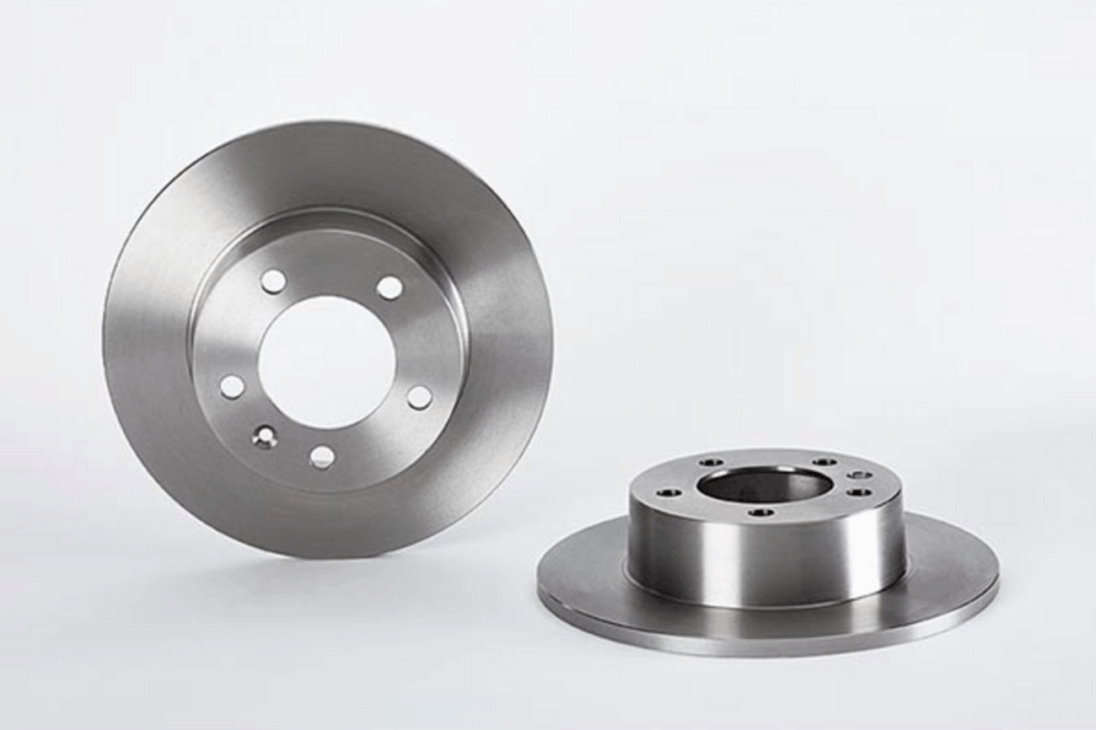
The solid brake disc is the most basic and, of course, the cheapest. It is made from a solid block of cast iron, with no air vents or internal structure to help dissipate heat. This means that under intense use or on long downhill stretches, it heats up quickly and cools down slowly.
-
New Jeep Scrambler SRT resurfaces with a 6.4 Hemi V8 engine producing 470 hp, rear seats that rotate 180°, a cabin for four occupants, and a removable roof in a project planned for 2030.

-
Cheaper than a Kwid, this Japanese sedan offers a giant 482-liter trunk, a 1.6 flex aspirated engine, automatic CVT transmission, and six airbags; the Nissan Versa Sense is ideal for those who prioritize interior space, comfort, and affordable maintenance costs.

-
Ford Fiesta, a car loved by Brazilians, may return: project involves partnership with Renault, over 400 km of range, versions above 220 hp, and five new models
-
Military uses cardboard to approve Jeep in vehicle inspection in Japan after failing due to a difference of only 3 centimeters


According to Marcus Vinicius Aguiar, director of AEA (Brazilian Association of Automotive Engineering), solid discs still have their place in the market — especially on the rear axle of sedans and medium SUVs or on the front of hatches with a 1.0 engine. They get the job done under normal situations but are far from ideal for sports or severe use.
Ventilated Disc: The Ventilation That Saves Braking
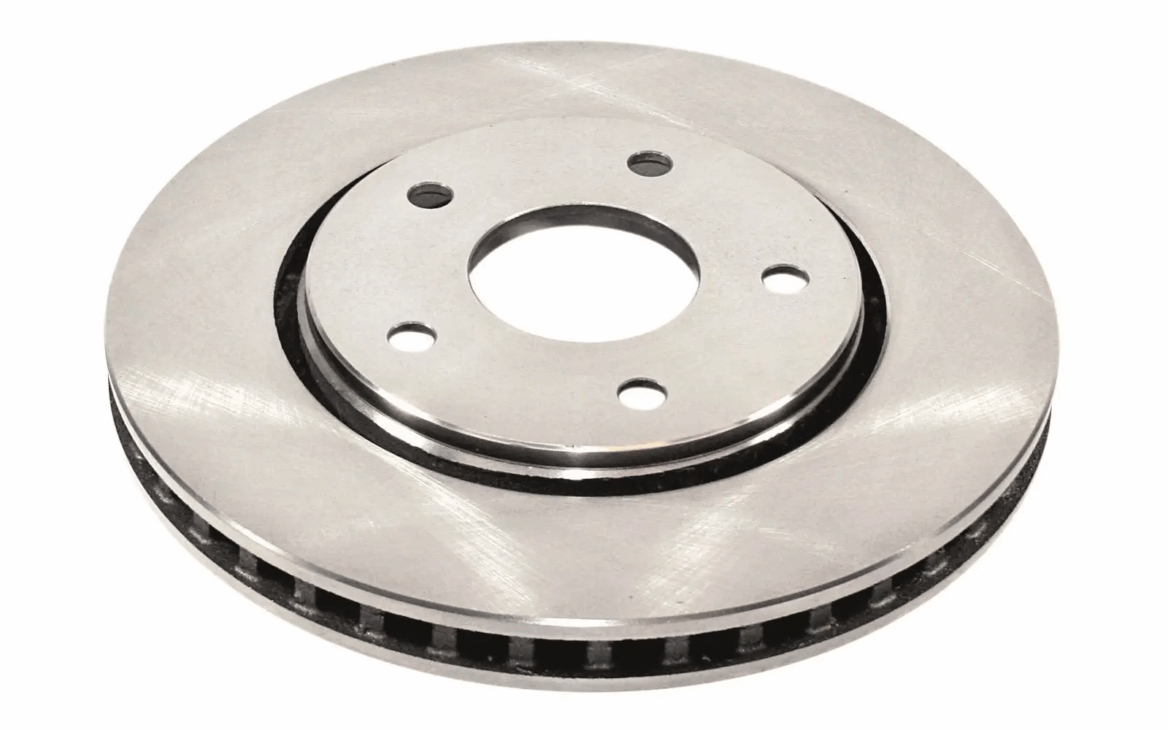
The ventilated brake is like a “sandwich” of two discs joined by an air chamber in between. This internal cavity allows air to circulate during movement, helping the assembly cool down faster. And when it comes to repeated braking performance, like in intense urban driving or steep hills, this type of disc makes all the difference.
They are standard in many mid-size and compact models with more powerful engines, and they even appear on the rear axle of some sports cars. The idea is simple: less heat, more confidence in the pedal.
Drilled Disc: Track Technology in Your Car
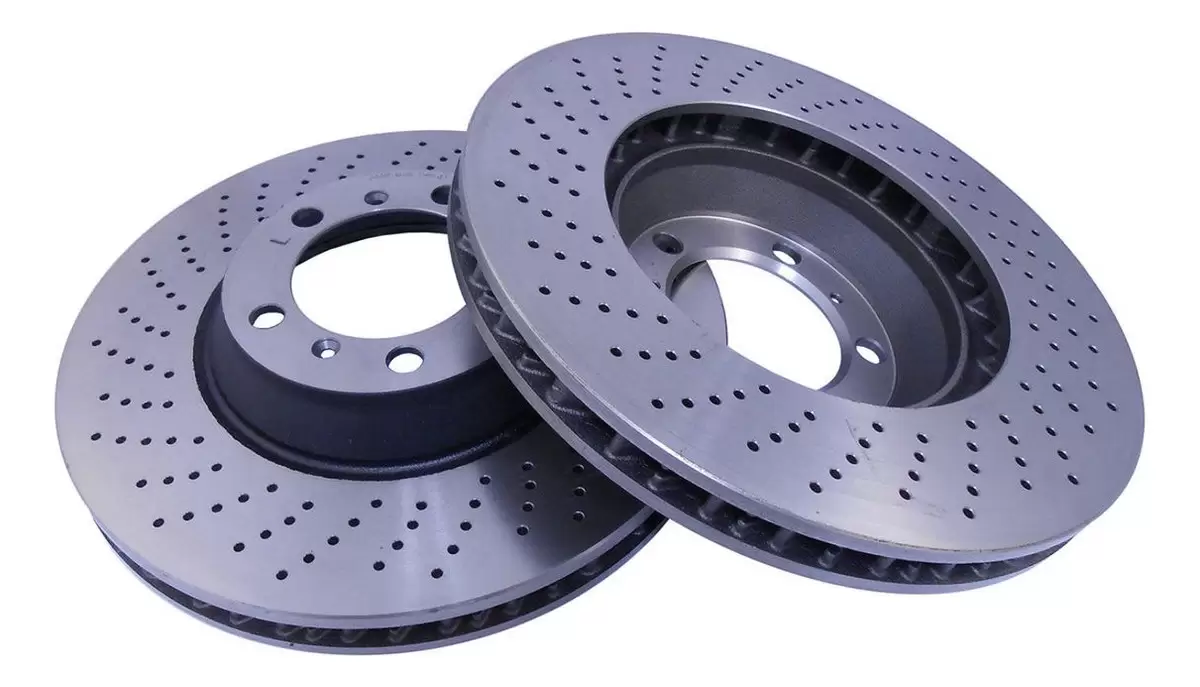
Now, if you have a car with a sporty touch or are a fan of the racing aesthetic, you’ve probably seen those drilled brakes. They are not only ventilated inside but also feature visible holes on the disc face. But these holes serve a purpose — and it’s not just for looks.
The aim is to improve friction between the disc and the pads, especially in situations like braking in the rain. Additionally, they help with heat dissipation, which contributes to a faster and more stable response. In the past, these holes also helped release gases that came from the pads, but with the evolution of materials, this function has diminished.
Brands like Brembo, a world reference in braking systems, offer this type of disc even in versions for urban use. But be prepared for the price: in sports or luxury cars, a set can exceed R$ 40,000, especially those made of ceramic.
Ceramics: The Top of the Brake Food Chain
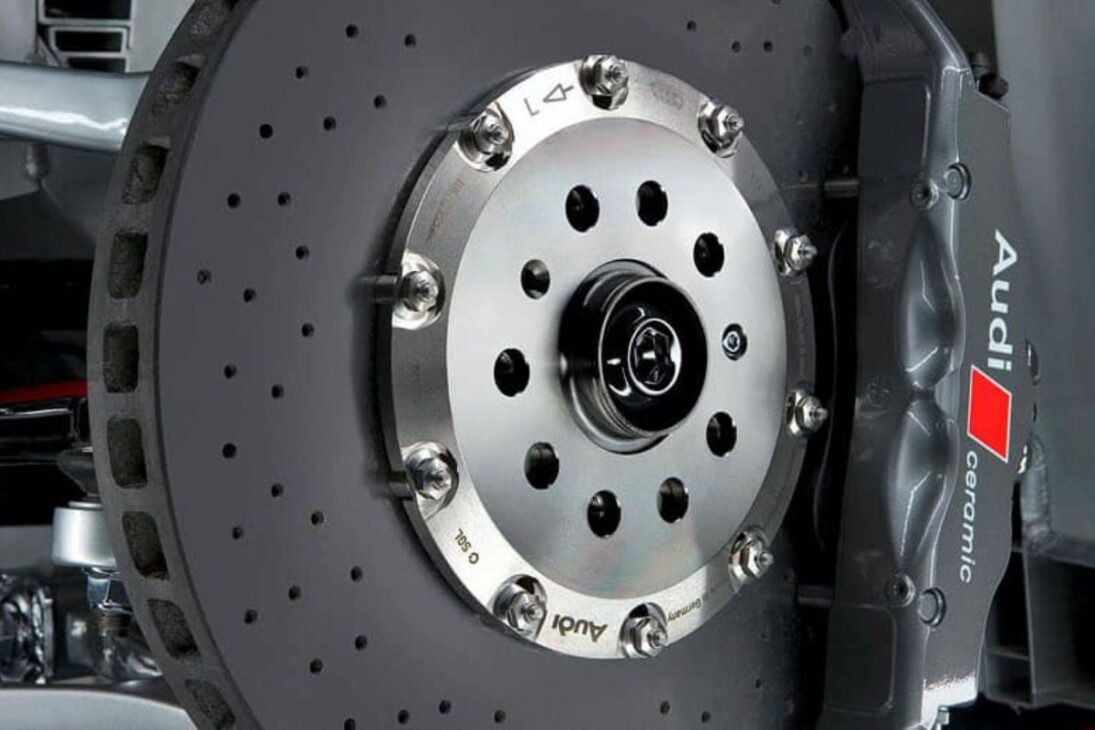
Speaking of ceramics, carbon ceramic discs are another story. Used in Formula 1 and in super sports cars like Ferrari and Porsche, they are ultra-efficient. They offer a higher level of friction, withstand extreme temperatures, and hardly suffer from thermal fatigue.
Additionally, they are much lighter than conventional discs, which even helps with the car’s handling. The downside? Again, the price. They are too expensive for common use — which makes them an optional item even in high-performance models.
Which Disc is Right for You?
The answer depends on the use. For the urban driver, who faces traffic and doesn’t push the car too much, solid brakes are sufficient. But if you often travel, descend mountains, or drive a more powerful vehicle, it’s best to have ventilated or even drilled discs for more safety and performance. And, of course, if money is not an issue and you enjoy a sporty drive, then the ceramic ones are the dream come true.
In any case, keep an eye on your car’s brake system, have periodic check-ups, and never ignore that pedal that feels too spongy. It could just be heat — or a warning that something more serious is on the way.
Did you enjoy the content? Have any questions about brakes, pads, or car maintenance? Leave a comment below or share with that friend who loves talking about mechanics!





-

-

3 people reacted to this.