Portuguese
  Spanish


Decrease in Oil Demand Is a Direct Reflection of the Transportation Revolution in the World’s Largest Market and New Investments in Electric Cars, Analysts Emphasize.
China’s strong embrace of clean mobility is altering projections in the global energy market. According to the International Energy Agency (IEA), the surge in sales of electric and plug-in hybrid cars in China contributed directly to a decrease of 400,000 barrels per day in global oil demand in 2024.
The Asian country recorded, in October of the same year, 1.43 million electrified vehicles sold, breaking consecutive monthly records. The reduction in domestic fossil fuel consumption directly affects refining volumes, especially diesel, and influences planning decisions of various oil producers and exporters.
China Accelerates the Transportation Revolution with Electric Cars and High-Speed Rail Network
The transportation revolution in China has two clear pillars: the mass replacement of combustion vehicles with electric models and the expansion of a robust high-speed rail network. Both reduce dependency on petroleum derivatives in urban and intercity transport.
-
Petrobras to Double Natural Gas Supply in Northeastern Brazil with New Investment

-
Chinese Giant Invests $1.3 Billion in Brazil to Produce 50,000 Cars Annually, Create Jobs, Develop Local Suppliers, and Manufacture Electric, Hybrid, and Combustion Models by 2027

-
Petrobras Approves $1.2 Billion Refinery in Brazil to Produce Aviation Fuel and Diesel from Plants
-
Petrobras Secures $2.2 Billion Contract to Build and Operate Four Support Vessels for Brazil’s Offshore Oil Fields

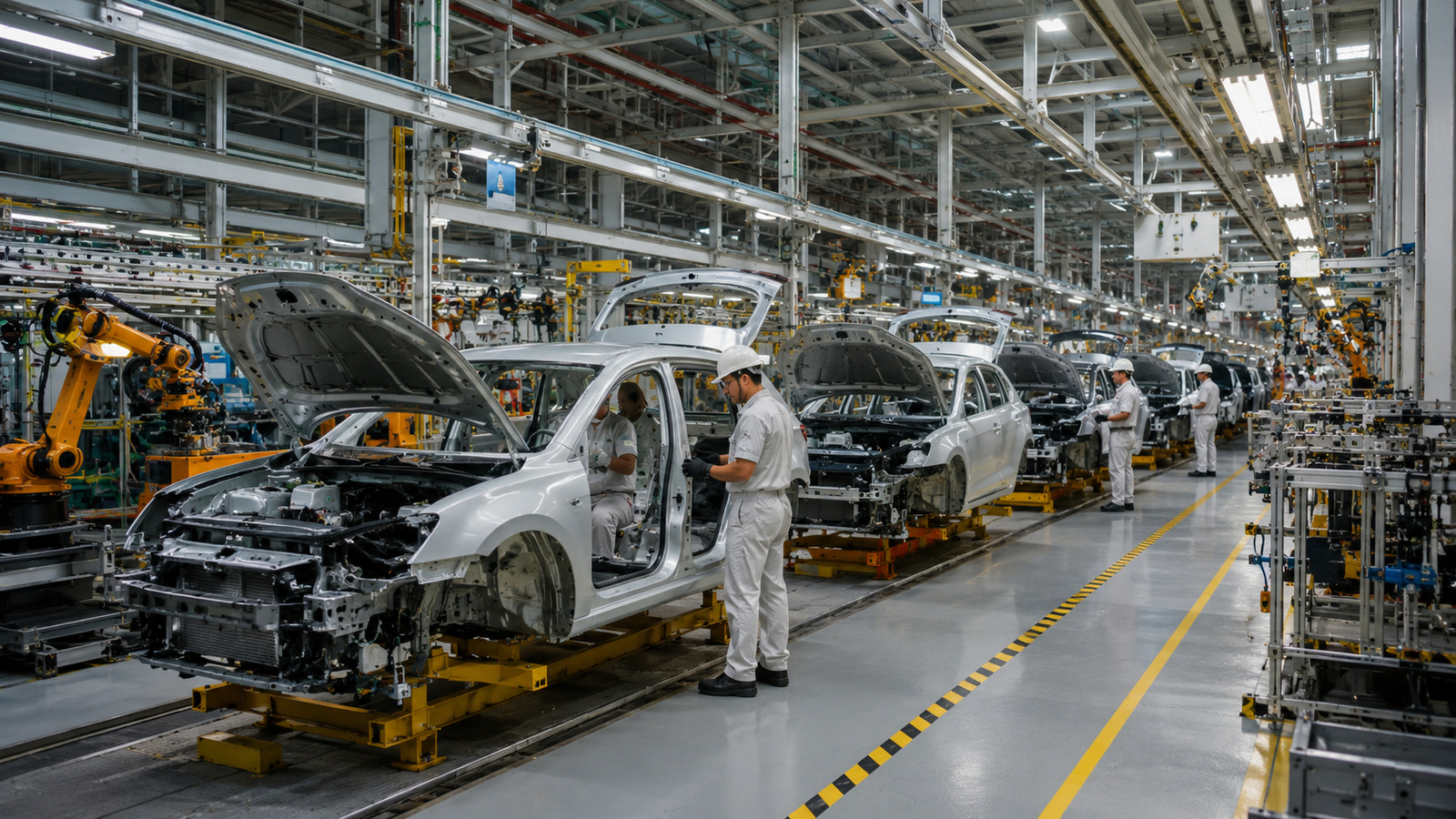


The high-speed train transported over 872 million passengers just in the summer of 2024, representing a growth of 6.2% compared to the previous year. At the same time, over 50% of the cars sold in the country in the last quarter were electric or plug-in hybrids. This structural change alters the traditional logic of oil consumption in growing economies.
Surge in Electric Car Sales in China Reduces Diesel Consumption and Slows Refining
Reports from Reuters and the Energy Information Administration (EIA) indicate that diesel refining in China has fallen by as much as 13% in some regions compared to 2023. The surge in electric car sales shifts the fueling needs of light vehicles and, combined with a slowdown in the construction and freight transport sectors, reduces activity in refineries.
In addition to cars, the increasing use of electric buses and hybrid commercial vehicles also contributes to this change. China is progressively replacing public fleets and urban logistics vehicles with electrified models, further pressuring diesel demand.
Decrease in Oil Demand Exposes a New Phase of Chinese Economic Growth
The relationship between GDP growth and oil consumption has always been used as a parameter in the global economy. However, the decrease in oil demand in China points to a new cycle where economic growth does not necessarily require higher fossil energy consumption.
The IEA and EIA estimate that the growth of Chinese oil demand in 2024 will be only 1.1%, which represents an increase of 180,000 barrels per day — a modest number considering the country’s history. This figure contrasts with China’s historical average, which has been responsible for over 60% of the global increase in oil consumption for decades.
Surge in Electric Car Sales and Slowdown in the Logistics Sector Shape a New Consumption Pattern
The slowdown in the logistics sector and the surge in electric car sales in China create a new energy consumption pattern. The construction sector, a significant consumer of diesel and fuel for heavy machinery, is in decline. At the same time, passenger transport is shifting towards more sustainable modes.
With the reduction in fuel burning in sectors such as road, civil, and passenger transport, the trend is that the need for oil imports and refining will stabilize, forcing a reassessment of long-term strategies by major producers.
Decrease in Global Oil Demand Pressures Exporters and Affects Prices
The decrease in demand from China directly affects the global supply balance. The reduction of 400,000 barrels per day, driven by the Chinese transition, is already influencing future prices and leading producing countries to reconsider expansion plans.
The Organization of the Petroleum Exporting Countries (OPEC) and other exporting nations are cautiously observing this movement. The dependency on markets like China has always sustained long-term forecasts based on continuous demand. Now, with the consolidation of the transportation revolution through non-polluting means, these projections are being recalculated.
Electric Cars and High-Speed Trains Expand China’s Energy Transition
With ambitious goals for carbon neutrality, China has been investing heavily in the electrification of mobility. High-speed trains represent a significant part of this policy, not only by reducing car usage over long distances but also as a symbol of technological modernity.
Additionally, electric vehicles are becoming increasingly affordable, with compact models, SUVs, and trucks being mass-produced by local manufacturers such as BYD, NIO, and Geely. The strong state presence in the sector and the coordination of industrial policies help accelerate this transition.
The Transportation Revolution in China Could Redefine the Global Energy Future
The drop in oil consumption in China, driven by the surge in electric car sales, is not an isolated phenomenon. It represents a profound transformation in the country’s energy pattern with the potential to influence the entire global landscape.
Experts state that if the trend continues, other countries will also need to reassess their energy policies, preparing for a new reality in which oil demand does not grow in proportion to the economy.
The advancement of the transportation revolution in China demonstrates that innovation, infrastructure, and well-coordinated public policies can reshape the energy matrix of a nation in a few years — with effects that extend far beyond its borders.