Portuguese
  Spanish


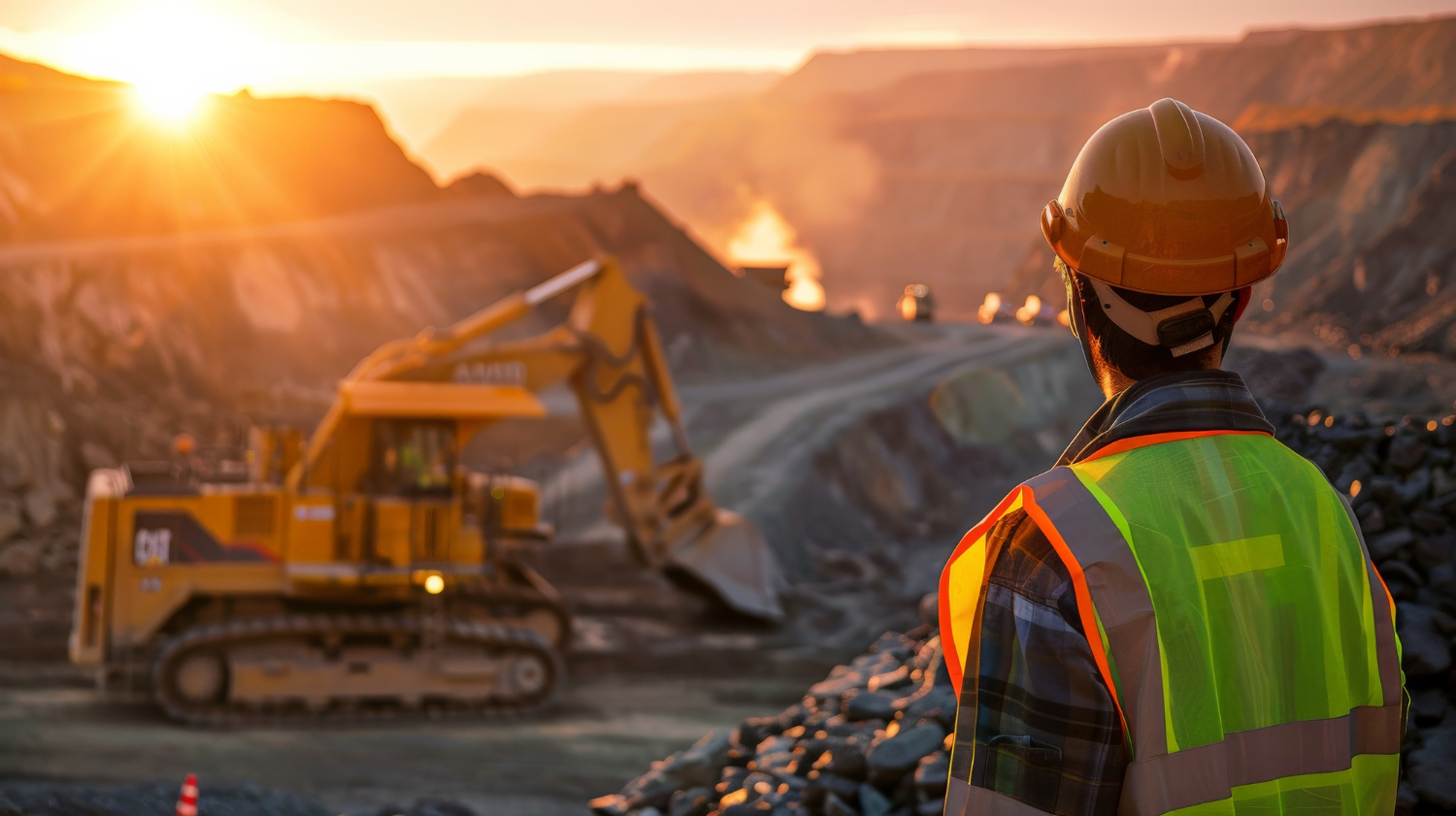

The Anticipation of the Distribution of Mining Royalties in October 2025 Injects R$44 Million into the Economy of Municipalities Impacted by Railways, Ports, and Pipelines, Strengthening the Mining Sector
The distribution of mining royalties gained prominence on October 9, with the anticipation of R$44,169,169.30 by the National Mining Agency (ANM), according to a story published.
The amount, related to the Financial Compensation for Mineral Exploration (CFEM) for September, benefits municipalities directly affected by activities related to the mining sector, such as railways, ports, and pipelines.
This anticipation occurs after the consolidation of the ANM Resolution No. 143/2023 and the completion of the first instance appeals phase.
-
10-Year-Old Max Makes History with Paris Fashion Show, Launches Own Brand, Hires Staff, and Sets World Record as Youngest Runway Designer

-
Green Roofs on Homes Gain Popularity for Reducing Heat, Noise, and Rain Impact in Brazil

-
Bolivian Female Construction Workers Form Association to Combat Discrimination and 38% Pay Gap in the Industry
-
Near Amsterdam, residents buy land and discover they must also build streets, manage drainage, handle waste, and grow food on half their plot.



The measure aims to ensure greater financial predictability for the impacted locations, promoting regional development and compensating for any externalities caused by mining activities.
Economic Strengthening of Municipalities Impacted by CFEM 2025
The anticipation of CFEM represents an important boost for municipal administrations. Of the total distributed, 87% (approximately R$39 million) goes to cities crossed by railways.
Another 12.7%, equivalent to approximately R$6 million, goes to localities with ports, while 0.3%, just over R$120,000, goes to municipalities with pipelines.
These transfers reflect the ANM’s commitment to ensuring a more efficient and transparent distribution of mining royalties.
Among the beneficiaries, São Luís (MA) stands out, which will receive R$2.72 million, equivalent to 6.18% of the total amount distributed.
Following are Açailândia (MA), with R$2.64 million, and Marabá (PA), with about R$2.39 million.
These amounts represent more than simple transfers: they are resources that strengthen local public policies, infrastructure, and the quality of life of the impacted communities.
Transparency and Technical Criteria of the Anticipation of Mining Royalties
The anticipation process follows technical criteria defined by ANM Resolution No. 143/2023, ensuring legal security and transparency.
Iron, the main mineral substance driving the Brazilian economy, represents 88% of the distribution of mining royalties, totaling over R$39 million.
The agency emphasizes that this first phase only includes non-producing municipalities and that a new simulation will be conducted to include producing and adjacent cities, as outlined in Annex I of the resolution.
After the second instance of appeals, the ANM should recalculate the distribution indices, adjusting any discrepancies and ensuring the correct allocation of funds.
The objective is that compensation reaches both producing municipalities and those impacted by the logistics and transportation of mineral production in a balanced manner.
Regional Impacts and Financial Sustainability with CFEM
The anticipation of R$44 million reinforces the role of the ANM as an efficient manager of financial compensation policies in the country.
In addition to boosting local economies, the distribution of mining royalties contributes to the balance between the exploitation of natural resources and sustainable development.
Municipalities affected by mining activities find, in these transfers, a stable source of revenue for investments in infrastructure, health, education, and the environment.
CFEM, therefore, consolidates itself as an essential tool for strengthening regional economies and reducing inequalities between producing and non-producing cities.
By ensuring a more agile and technical management, the ANM promotes not only compensation but also a cycle of sustainable and balanced growth throughout the national territory.