Portuguese
  Spanish


Cheap Electric Cars from China Gain Space in the Global Market. How Low-Cost Models Are Transforming Transportation Around the World.
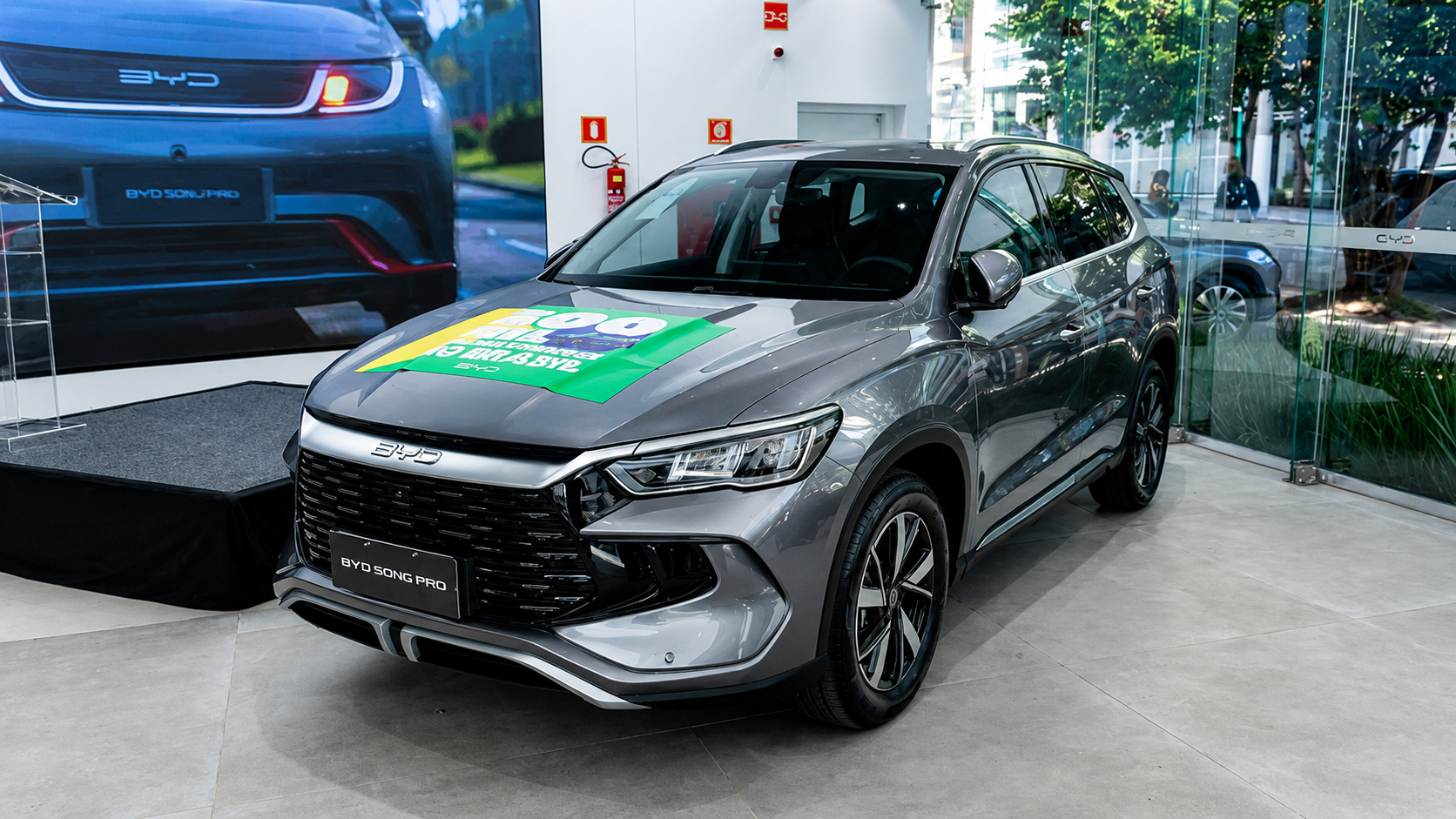
Cheap electric cars from China are changing the gears of the global automotive industry. With increasingly affordable and sophisticated models, Chinese brands like BYD are conquering markets beyond Asian borders.
The launch of the Dolphin Surf model, previously known as Seagull, marks a new chapter in this expansion, now on European soil. The new model arrives in the UK in 2025 for around R$ 135,000, an attractive price compared to local standards.
The rise comes at a time when consumers are seeking more eco-friendly and economical alternatives for urban transportation.
-
Chery Offers Lifetime Battery Warranty and Car Replacement for Major Failures Under New Chinese Regulations

-
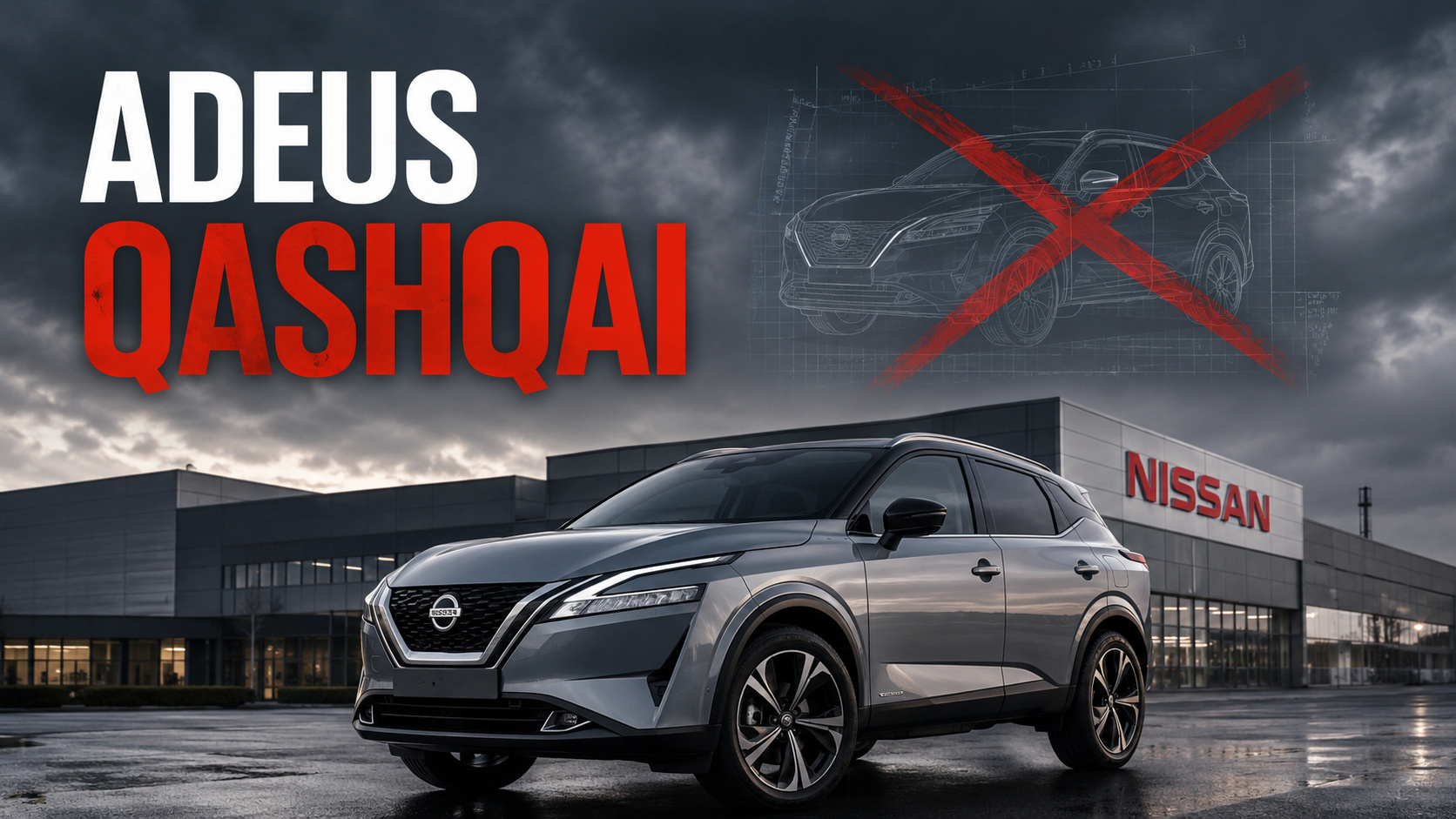
Nissan Discontinues Qashqai SUV Amid Cost-Cutting, Chinese Competition, and Product Line Review
-
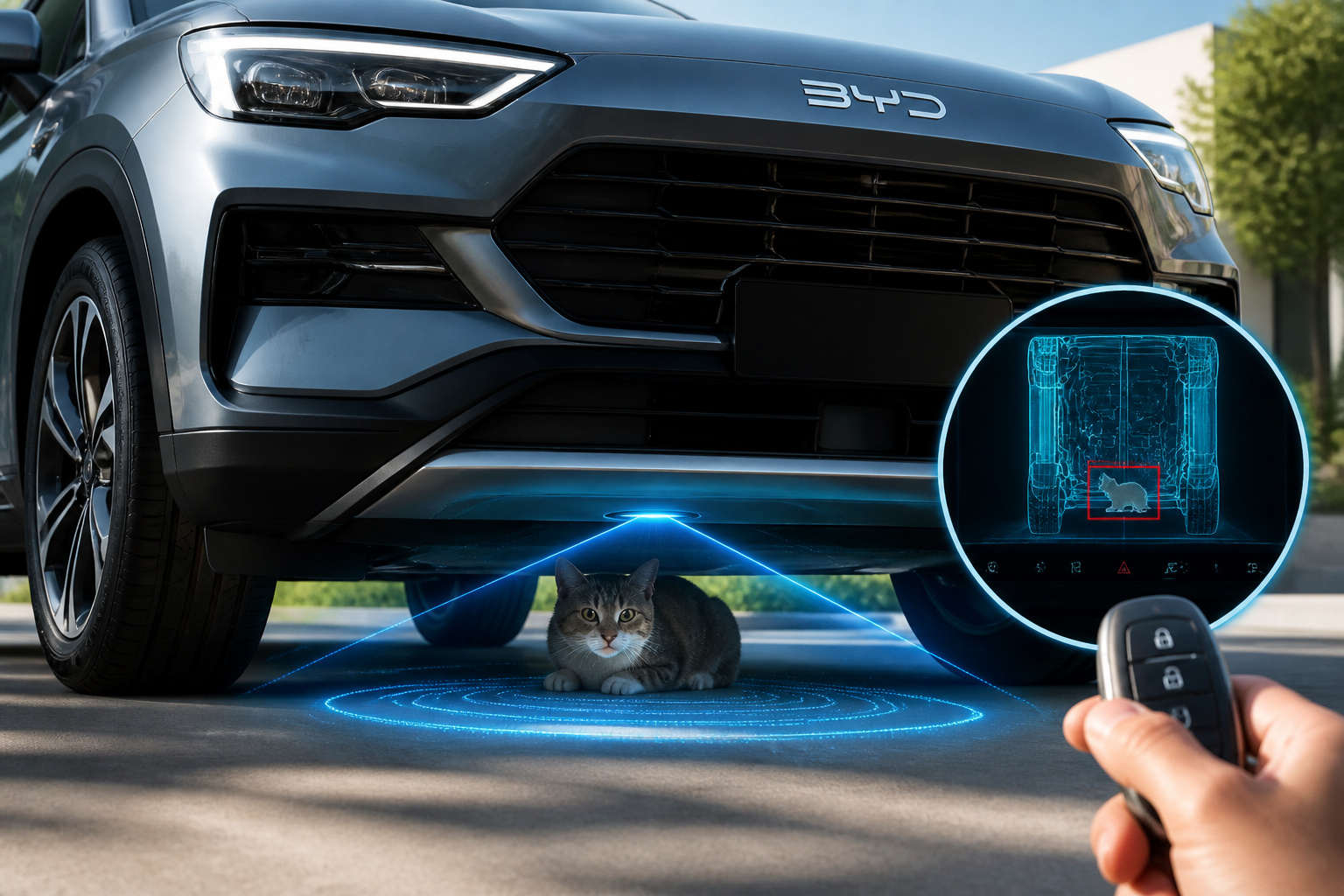
BYD Patents Revolutionary System Using Computer Vision to Detect Animals Under Cars Before Starting, Preventing Tragedies

-
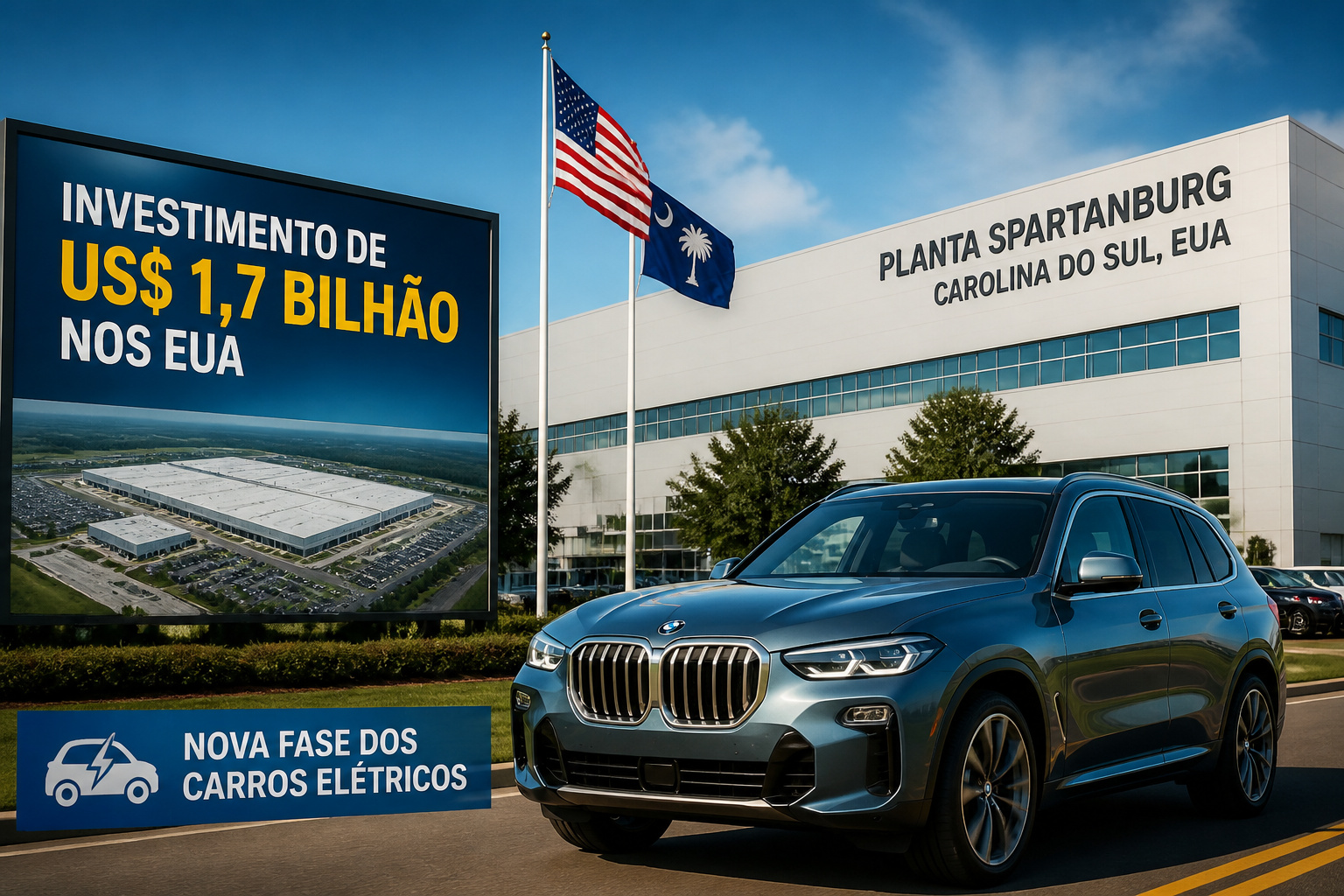
BMW Completes $1.7 Billion Investment in the U.S. for Electric Vehicle Production, Positions South Carolina for New Generation as Rivals Reassess EV Race
China, the world’s leading producer and consumer of electric vehicles, is now exporting cutting-edge technology at accessible prices, challenging historic giants of the industry. Understanding this movement is essential for forecasting the direction of the automotive sector in the coming years.
BYD: The Chinese Giant That Surpassed Tesla
The BYD already leads the Chinese automotive market and, since 2024, has surpassed Tesla in global electric vehicle sales. The company has begun to invest aggressively in Europe, with ambitious goals for the coming years.
With vehicles like the Dolphin Surf, the brand shows that it is possible to combine low price, performance, and innovation, becoming a direct threat to Western automakers.
From Unknowns to Protagonists: Chinese Brands Gain the World
In addition to BYD, other Chinese companies, such as Nio, Xpeng, Zeekr, and Omoda, are starting to gain notoriety outside of Asia.
These brands, once seen as exotic, are now competing with well-established names like Volkswagen and Ford.
Many of them control traditional European brands, such as MG, Volvo, and Lotus. This reconfiguration in the sector reflects the Chinese strategy to dominate the global electric car market with a diverse offering, from urban compacts to luxury supercars, like the Yangwang U9, which literally jumps obstacles.
The Global Impact of Cheap Electric Cars from China
In 2024, the world saw the sale of more than 17 million battery-powered and plug-in hybrid cars, with 11 million coming from China alone. Outside of the Asian country, Chinese brands already account for 10% of global sales, according to data from consulting firm Rho Motion.
With this upward trend, competitiveness in the electric transportation sector is increasing. For consumers, this represents access to modern vehicles at lower prices. For traditional automakers, it’s a wake-up call to reinvent themselves.
However, there are those who see risks. Experts warn of possible digital security vulnerabilities in these vehicles, considering the tensions between China, the U.S., and Europe. Concerns focus on cybersecurity and espionage, which could influence import policies in the coming years.
Is the Future of Mobility Chinese?
With models like the Dolphin Surf and the Dacia Spring (produced in Wuhan), cheap electric cars from China are shifting from being a curiosity to a real choice in the daily lives of millions.
And the movement doesn’t stop: new partnerships, such as the joint venture between Leapmotor and Stellantis, promise to further expand the reach of these vehicles.
The success of the Chinese strategy could mean a definitive turning point in the future of global transportation. In addition to technological innovation, the affordable price factor has been crucial in expanding the reach of electric vehicles.