Portuguese
  Spanish


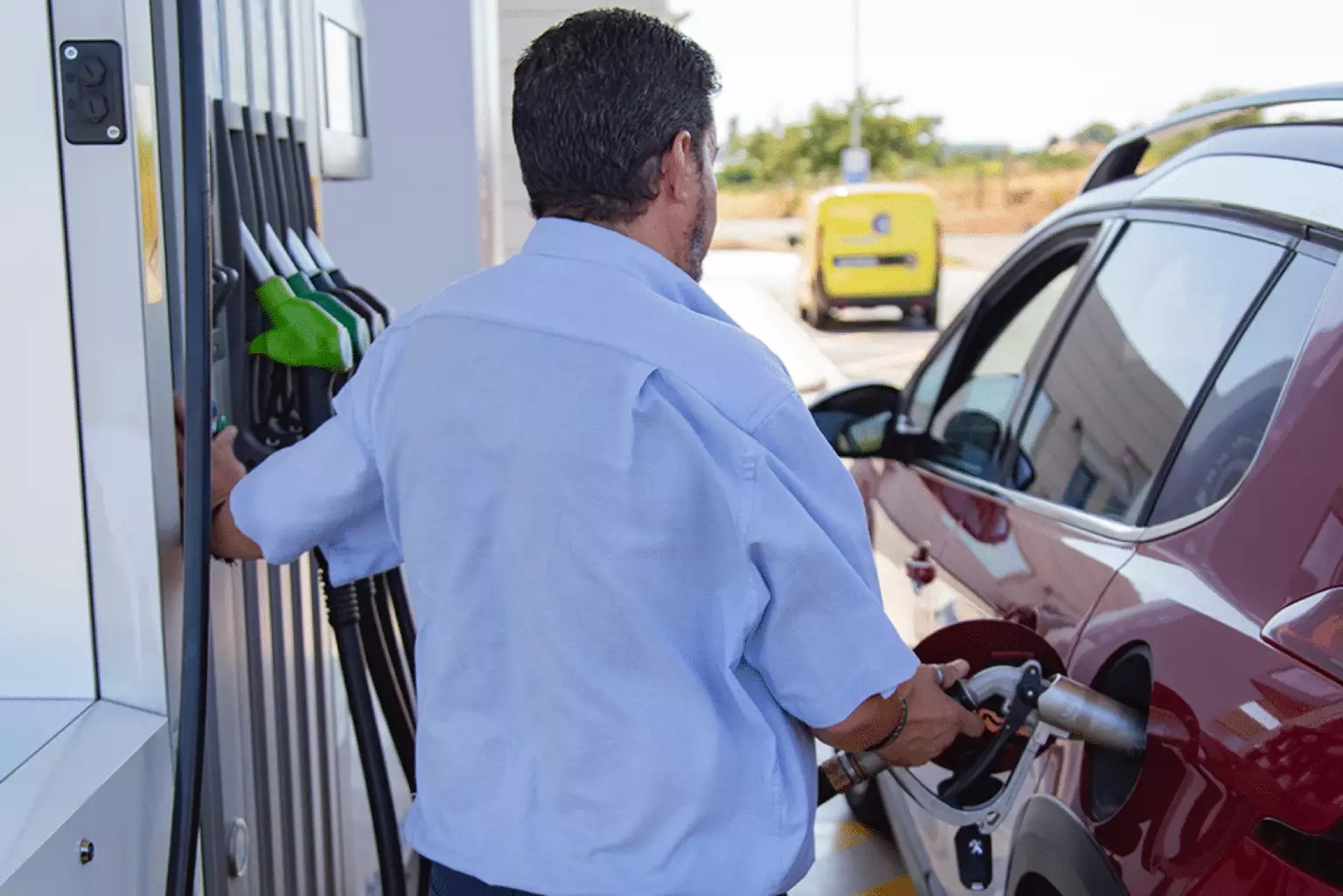

BioGLP Is Obtained From Renewable Source, There Is No Risk of Environmental Harm or Resource Depletion. Since 2017, the European continent and the United States Have Been Selling Small Quantities of the Product.
University of São Paulo (USP) Signed a Cooperation Agreement With Copa Energia. The University Will Assist the Group, Owner of the Brands Copagaz and Liquigás, in Developing a BioGLP Project Over the Next Four Years. The Leader in Gas Supply in Brazil Also Has Another Project With the Federal University of Mato Grosso do Sul.
Read Also
- Use of Gas (GNV or Biogas) as Fuel Came to Save Consumers’ Money and Becomes a Better Alternative to Replace Gasoline and Diesel in Light and Heavy Vehicles, in Addition to Reducing PollutionOil Prices May Spike to $150 Per Barrel and Gasoline Become Even More Expensive If Russian Crude Oil Exports Are Affected by Tensions With Ukraine
- Arab Sovereign Fund Mubadala, of the Crown Prince of Abu Dhabi, Purchased the RLAM Refinery From Petrobras in Bahia and Is Raising Gasoline and Diesel Prices More Than the State-Owned Company
- Gasoline and Diesel Prices Could Plummet and Become Up to R$3.00 Cheaper If the Senate and Congress Create a Fund With Profits Obtained by the Government From the Rise of the Dollar and Oil to Subsidize Fuel Price Adjustments
- Production at the Toyota Multinational Factory in SP Is in Full Swing, Will Generate 1500 Job Openings and Export 456,000 2.0L Engines to North America
With an Investment of About R$600,000 From Copa Energia, the Partnership With the University of São Paulo (USP) Will Train Workers in the Sector for One Postgraduate Student, One Master’s Student, and One Doctoral Student, in Addition to the Research Coordinator and Deputy Coordinator.
“We Believe in Academia as an Important Partner for the Development of Research and Technologies That Help to Find the Best Solution for BioGLP Extraction, a Still Incipient Topic in the World and Much Needed for a Cleaner Energy Transition Compared to Other Sources, Such as Coal”, Says Pedro Turqueto, Vice President of Strategy and Market at Copa Energia.
-
Giant Batteries Take Center Stage in Chile Auction as Company Offers 960 GWh of Solar Energy for Nighttime Use, Aiming to Stabilize Solar Power Supply

-
After a Year of Success in Switzerland, Solar Railway Attracts Italy’s Interest for Clean Energy Transformation
-
Brazil to Introduce B16 Diesel with Increased Soybean Oil Content for Trucks by 2026
-
Robots Clean Solar Panels in Desert Power Plants Without Water, Preventing Energy Losses
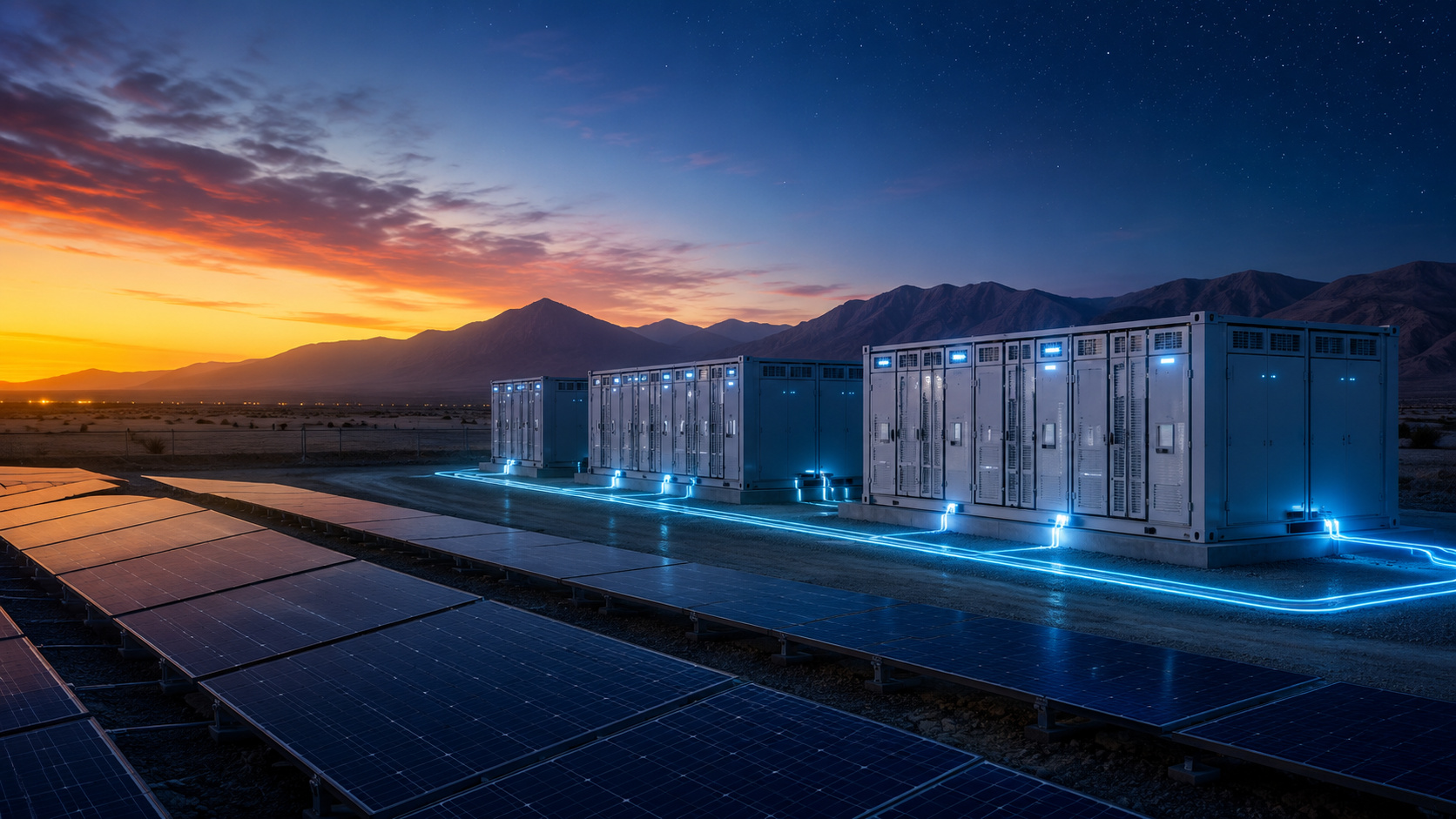


BioGLP Developed by USP Emits Up to 80% Less Carbon In Combustion Than Fossil-Origin
BioGLP Is a Gas Fuel of Renewable Origin Obtained From Waste Treatment, Sugarcane Bagasse, and Vegetable Oil, for Example. The Renewable Gas Has the Same Performance as the Liquefied Petroleum Gas (LPG) Currently Marketed, Commonly Known as Cooking Gas.
Chemically Speaking, BioGLP Performs the Same Function Compared to the Traditional Type. The Difference Is Sustainability, As It Emits Up to 80% Less Carbon During Combustion Than Fossil-Origin Gas. Since It Is Obtained From Renewable Source, There Is No Risk of Environmental Harm or Resource Depletion. Since 2017, the European Continent and the United States Have Been Selling Small Quantities of the Product.
“We Started the Conversation With USP in Early 2021, Now We Understand the Documentation Process and Hope to Close More Partnerships With Universities at an Even Faster Pace Soon”, Says Turqueto.
According to the Executive, in the Project With the UFMS, There Is Development, For Example, of the Pilot Project Carried Out With GLP for Energy Generation in the COVID Decontamination Division of Health Professionals at the HU – University Hospital of UFMS, During the Peak of Cases, and the Project in Study Phase for GLP Use for Energy Generation in Fish Farming, Focusing on Agribusiness.
Use of Gas (GNV or Biogas) as Fuel Came to Save Consumers’ Money and Becomes a Better Alternative to Replace Gasoline and Diesel in Light and Heavy Vehicles, in Addition to Reducing Pollution
The Use of Gas (GNV or Biogas) as Fuel in Light and Heavy Vehicles Is One of the Solutions Found as an Alternative to Gasoline and Diesel in Order to Reduce Pollution and Also for Those Who Want to Ease the Burden With Constant Fuel Price Increases.
In Rio de Janeiro, the Use of GNV in Passenger Vehicles Is Common, Being a Solution Based on Cost-Effectiveness of the Product and Currently Helping to Combat GHGs (Greenhouse Gases).
Through Environmental Governance (ESG), Companies Have Been Demanding “Environmentally Correct” Behavior from the Market. With This in Mind, As an Alternative to Diesel and Gasoline, It Is Possible to Observe Some Trucks and Agricultural Machines Powered by Gas. This Technology, Which Uses Otto Cycle Engines, Allows for the Use of Both GNV (Fossil Fuel, However, Less Polluting) and Biogas (Gas Obtained by Anaerobic Fermentation of Organic Material). Read the Full Article HERE.